ModerateDrüsen- und Hormonhaushalt
Hypothyroidism in Dogs
Underactive thyroid gland leading to metabolic slowdown. One of the most common hormonal disorders in dogs, usually manageable with daily medication.
Affected Breeds27
Available Tests11
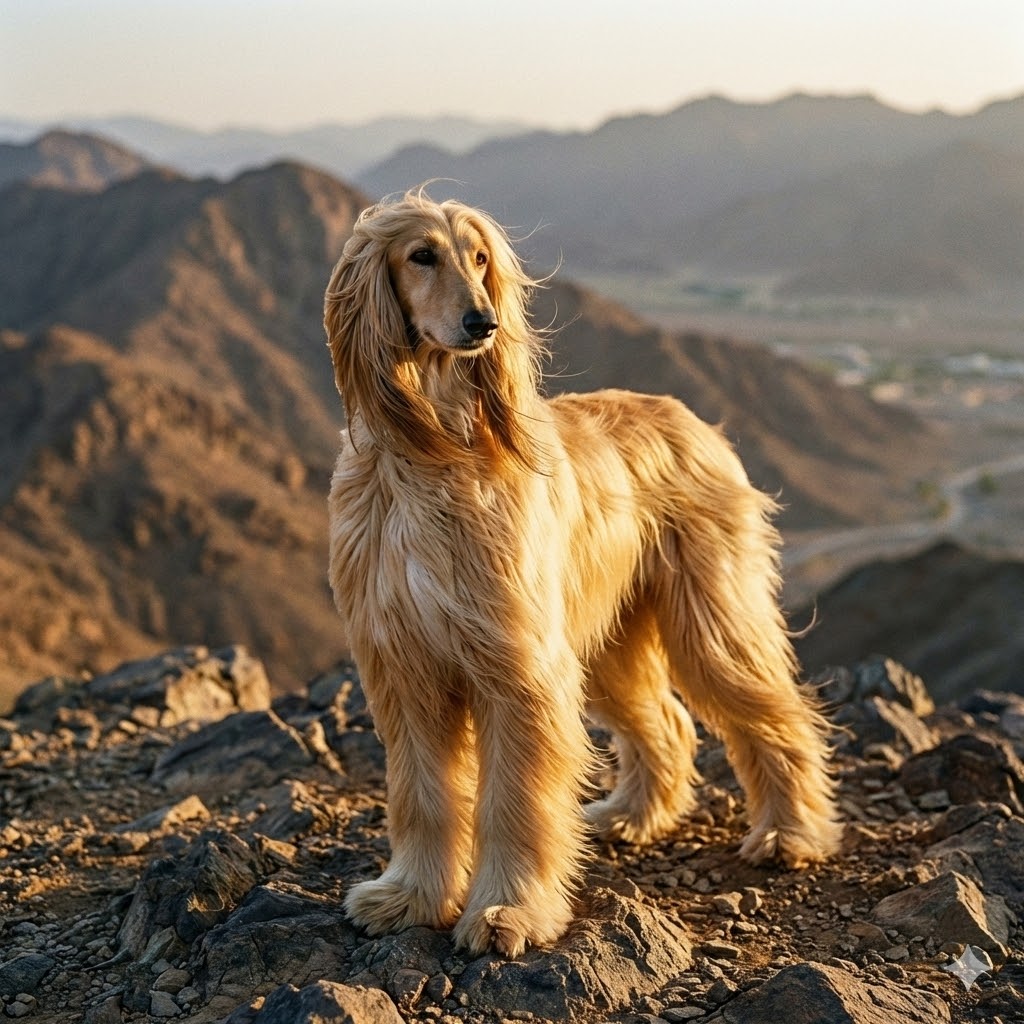
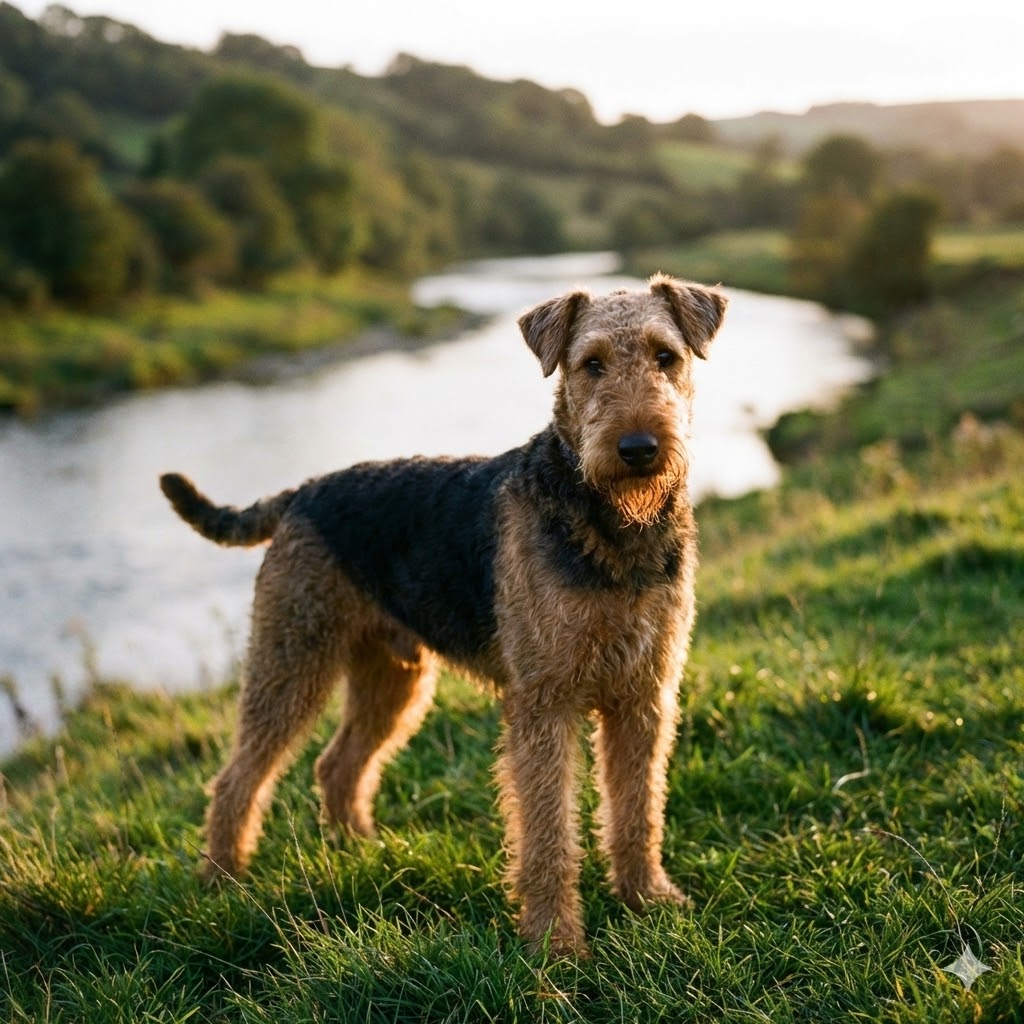
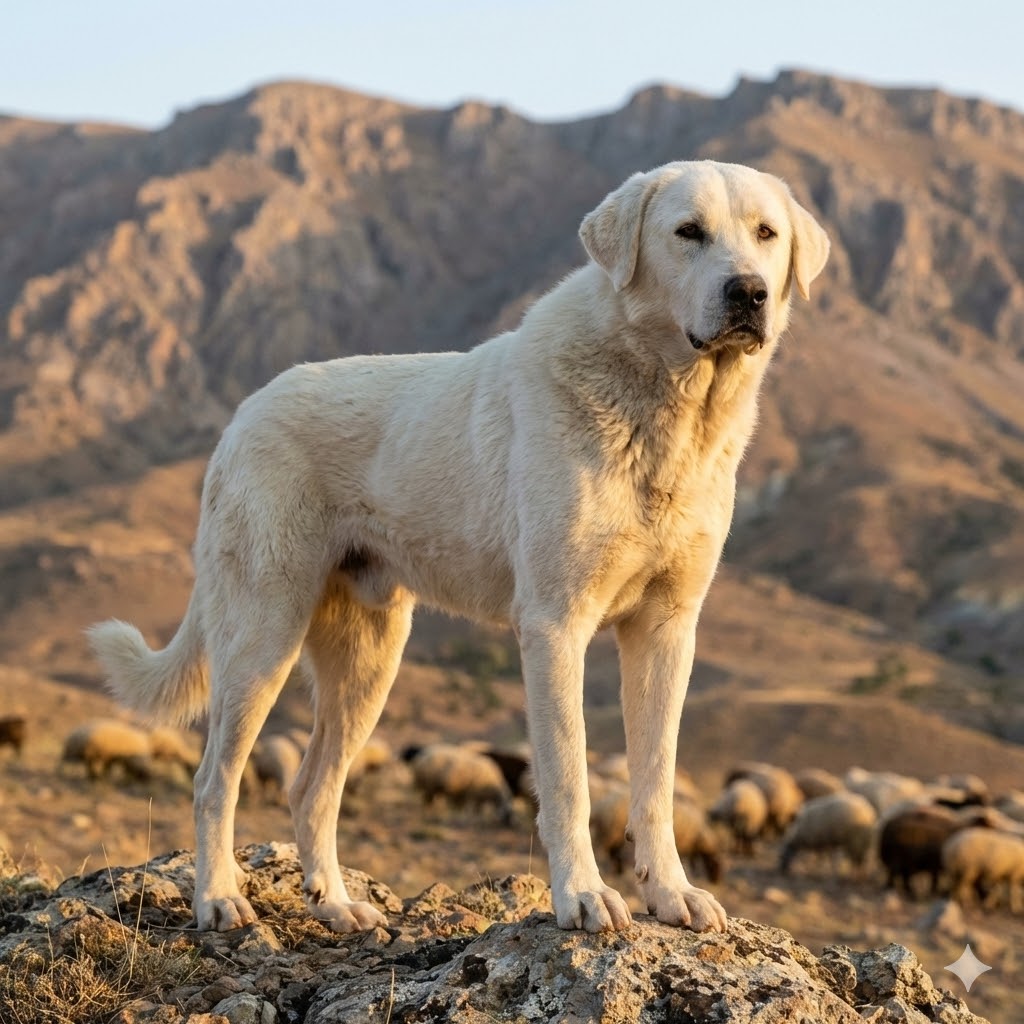
Dog Breeds Affected by Hypothyroidism
Data from 27 breed health profiles









Symptoms to Watch For
- Weight gain despite normal diet
- Lethargy
- Cold intolerance
- Skin and coat problems
- Hair loss
If you notice any of these symptoms in your dog, consult your veterinarian promptly.
Prevention & Management
Regular blood screening
Thyroid checks at annual exam
Early treatment prevents progression
Ask Breeder For These Tests
When purchasing a puppy, ask breeders for documentation of these health clearances.
Annual Thyroid PanelsThyroid panelThyroidOFA Thyroid panelsThyroid testsOFA Thyroid clearanceThyroid PanelThyroid evaluationThyroid Evaluationthyroid panelsThyroid panel (Hypothyroidism)
Reputable breeders should provide documentation for genetic tests. Don't purchase a puppy without seeing health clearances.
Related Health Issues
Frequently Asked Questions
What is Hypothyroidism in dogs?
Underactive thyroid gland leading to metabolic slowdown. One of the most common hormonal disorders in dogs, usually manageable with daily medication.
Which dog breeds are most affected by Hypothyroidism?
Based on breed health data, Hypothyroidism is commonly reported in Boxer, English Setter, Beagle, and 24 other breeds. Some breeds may have higher prevalence rates than others.
How can I prevent Hypothyroidism in my dog?
Prevention strategies include: Regular blood screening; Thyroid checks at annual exam; Early treatment prevents progression. Always consult with your veterinarian for personalized advice.
What are the symptoms of Hypothyroidism?
Common symptoms include: Weight gain despite normal diet; Lethargy; Cold intolerance; Skin and coat problems; Hair loss. If you notice any of these signs, consult your veterinarian promptly.
Medical Disclaimer
This information is for educational purposes only and is not a substitute for professional veterinary advice. Always consult with a qualified veterinarian for diagnosis and treatment of health conditions in your dog.
All Issues
Browse directory
Top Issues
Most common conditions
Dog Breeds
Breed health profiles