Moderate
Dysplasie du coude in Dogs
Dysplasie du coude is a health condition that can affect dogs of various breeds. The severity and treatment options vary depending on the individual case.
Affected Breeds14
Also known as: Dysplasie du Coude :
Dog Breeds Affected by Dysplasie du coude
Data from 14 breed health profiles

Rottweiler
38-39% prevalence

Saint-Bernard
20% prevalence

English Setter
16,5% prevalence

Mastiff
14,5% prevalence

English Springer Spaniel
12-15% prevalence
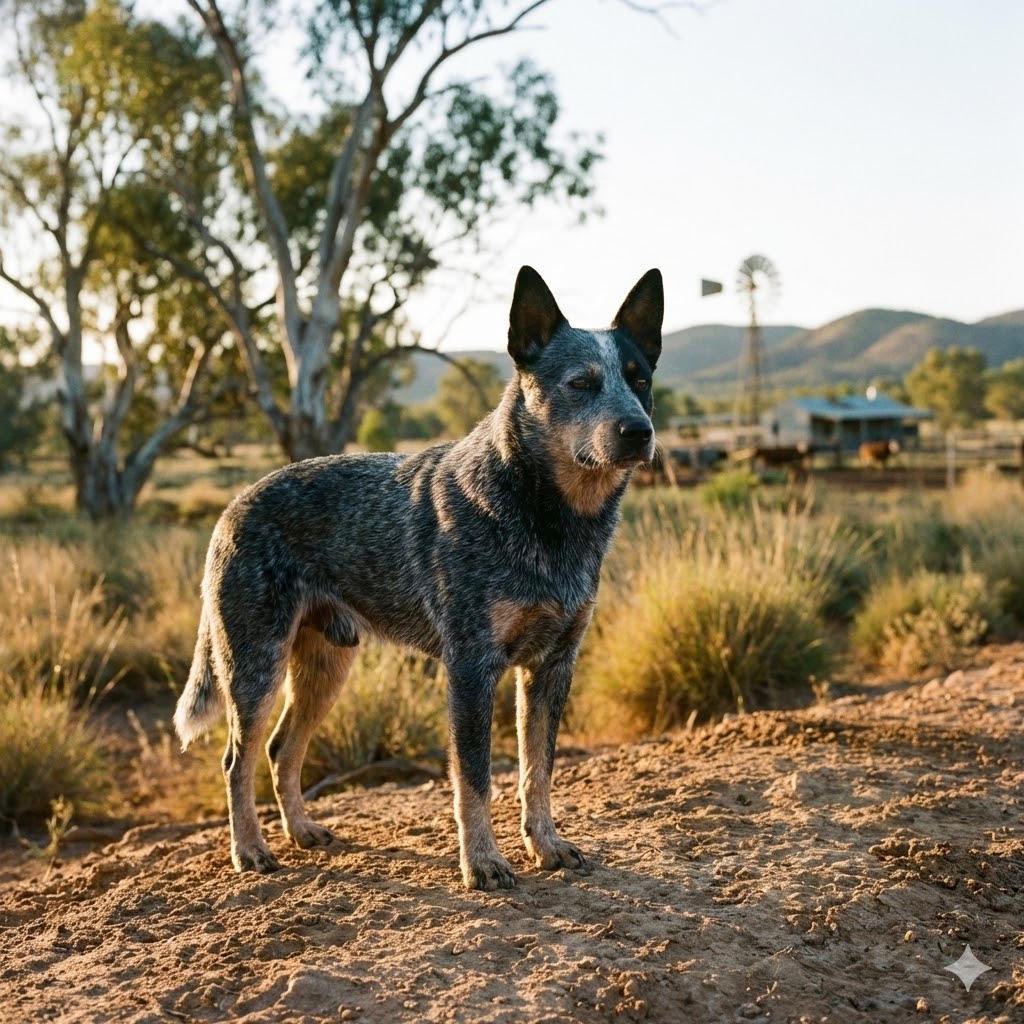
Australian Cattle Dog
~11,5% prevalence

Bouvier des Flandres
11,5 % prevalence

Bracco Italiano
~11,5% de prévalence prevalence

Labradoodle
11-15% de Prévalence prevalence

Labrador Retriever
10,3% OFA prevalence

Rhodesian Ridgeback
6-8% prevalence

Terre-Neuve
Élevée prevalence
Symptoms to Watch For
- Behavioral changes
- Physical discomfort
- Changes in appetite or activity
- Consult your vet for specific symptoms
If you notice any of these symptoms in your dog, consult your veterinarian promptly.
Prevention & Management
Regular vet checkups
Maintain healthy lifestyle
Early detection through monitoring
Genetic testing when available
Frequently Asked Questions
What is Dysplasie du coude in dogs?
Dysplasie du coude is a health condition that can affect dogs of various breeds. The severity and treatment options vary depending on the individual case.
Which dog breeds are most affected by Dysplasie du coude?
Based on breed health data, Dysplasie du coude is commonly reported in Rottweiler, Saint-Bernard, English Setter, and 11 other breeds. Some breeds may have higher prevalence rates than others.
How can I prevent Dysplasie du coude in my dog?
Prevention strategies include: Regular vet checkups; Maintain healthy lifestyle; Early detection through monitoring; Genetic testing when available. Always consult with your veterinarian for personalized advice.
What are the symptoms of Dysplasie du coude?
Common symptoms include: Behavioral changes; Physical discomfort; Changes in appetite or activity; Consult your vet for specific symptoms. If you notice any of these signs, consult your veterinarian promptly.
Medical Disclaimer
This information is for educational purposes only and is not a substitute for professional veterinary advice. Always consult with a qualified veterinarian for diagnosis and treatment of health conditions in your dog.
All Issues
Browse directory
Top Issues
Most common conditions
Dog Breeds
Breed health profiles