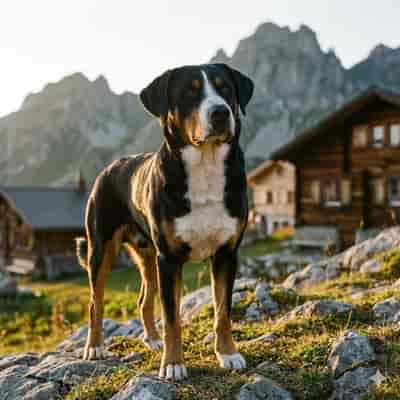

Is a Appenzeller Sennenhund Right for You?
Personality traits, family compatibility, and lifestyle match - everything you need to decide.
Is a Appenzeller Sennenhund Right for You?
Take our 1-minute compatibility quiz based on real owner data
Know Before You Commit
Important behavioral traits that potential owners should understand:
Diese Rasse wurde entwickelt, um Vieh mit ihrer Stimme zu treiben. Sie haben ein hohes, durchdringendes Bellen, das sie frei einsetzen — um Fremde, Eichhörnchen, Wind oder Langeweile anzukündigen. Diese Eigenschaft macht sie ungeeignet für Wohnungen oder Wohnsituationen mit gemeinsamen Wänden.
Anders als der Golden Retriever, der Gegenstände trägt, kontrolliert der Appenzeller Bewegungen durch Schnappen nach Fersen. In einem Familienumfeld überträgt sich dieser Instinkt oft auf rennende Kinder, Jogger oder Fahrradfahrer. Dies ist keine Aggression, sondern ein tief verwurzeltes Hüteverhalten, das für Gäste erschreckend und für Kleinkinder gefährlich sein kann.
Sie sind von Natur aus misstrauisch und zurückhaltend. Ohne umfangreiche, positive Sozialisation in den ersten 16 Monaten kann diese Vorsicht in angstbasierte Reaktivität oder Aggression gegenüber Gästen eskalieren. Sie sind keine "Jeden-lieben"-Hunde.
Family Compatibility
How Appenzeller Sennenhunds typically interact with different family members and pets:
Children (0-5 years)
Appenzeller Sennenhunds may need careful introduction and supervision with young children
Tip: Teach children to be gentle, never disturb during eating or sleeping
Children (5-12 years)
Can be good with older children who understand how to interact with dogs
Tip: Great age to involve kids in feeding, grooming, and training
Teenagers
Appenzeller Sennenhunds typically do well with teenagers who can help with exercise and care
Tip: Teens can take on walking and training responsibilities
Other Dogs
Most Appenzeller Sennenhunds can live harmoniously with other dogs when properly introduced
Tip: Gradual introductions on neutral territory work best
Cats
High prey drive may make cat cohabitation challenging
Tip: Early socialization with cats increases success
Small Pets (rabbits, hamsters)
Caution advised - most dogs have some prey instinct toward small animals
Tip: Always keep small pets securely housed when dog is present
Living Situation Compatibility
Apartment
Appenzeller Sennenhunds may find apartment living challenging
- Daily walks are essential
- Generally quiet indoors
- Mental stimulation important
House with Yard
Ideal setup for most Appenzeller Sennenhunds - space to play and explore
- Secure fencing required
- Supervised outdoor time recommended
- Still needs walks for enrichment
Rural/Farm
Appenzeller Sennenhunds thrive with lots of space to run
- Good recall training essential
- Watch for wildlife
- Plenty of room to exercise
First-Time Owner
Appenzeller Sennenhunds may be better suited for experienced owners
- Consider professional training
- Research breed thoroughly
- Be prepared for challenges
Work From Home
Appenzeller Sennenhunds love having their people around all day
- Set boundaries for work time
- Schedule regular breaks for play
- Create a comfortable space for them
Away 8+ Hours
Appenzeller Sennenhunds may struggle with long alone time - prone to boredom and anxiety
- Dog walker or daycare strongly recommended
- Puzzle toys essential
- Consider a companion pet
Training Your Appenzeller Sennenhund
Independent Thinker
Intelligent but may have their own agenda - not for novice owners
Training Tips:
- Establish yourself as leader early
- Make training fun and rewarding
- Consider professional help
- Be very patient and consistent
Common Challenges:
- May ignore commands if uninterested
- Requires experienced handler
- Need strong boundaries
Pro tip: Consider professional training classes, especially for first-time Appenzeller Sennenhund owners. Group classes also provide valuable socialization.
Exercise Needs
Needs 90-120 minutes of daily exercise
Recommended Activities:
- Daily walks (vary routes for mental stimulation)
- Fetch and interactive play
- Hiking, running, or dog sports
- Puzzle toys and training sessions
Mental Stimulation
Appenzeller Sennenhunds are intelligent dogs that need mental challenges to stay happy and prevent boredom-related behaviors.
Ideas:
- Puzzle feeders and treat-dispensing toys
- Short training sessions (10-15 min)
- Nose work and scent games
- New environments and experiences