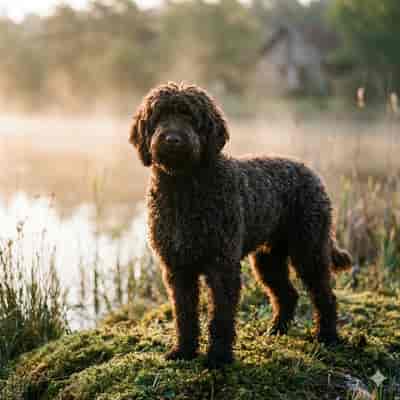

Is a Barbet Right for You?
Personality traits, family compatibility, and lifestyle match - everything you need to decide.
Is a Barbet Right for You?
Take our 1-minute compatibility quiz based on real owner data
The Barbet Personality
Personality traits reported by 1 Barbet owners:
1 owners report this trait
1 owners report this trait
1 owners report this trait
1 owners report this trait
Know Before You Commit
Important behavioral traits that potential owners should understand:
Der Barbet ist im wahrsten Sinne des Wortes ein "Klettenhund". Sie wurden darauf gezüchtet, eng mit Jägern zusammenzuarbeiten und als ständige Begleiter zu leben. Sie vertragen Isolation nicht gut. Besitzer, die lange Stunden von zu Hause weg arbeiten oder erwarten, dass der Hund 8 Stunden am Tag in einer Transportbox bleibt, werden wahrscheinlich mit erheblichen Verhaltensproblemen konfrontiert, darunter destruktives Kauen, Heulen und Selbstverstümmelung. Dies ist keine Rasse für den "Wochenendkrieger", der den Hund von Montag bis Freitag ignoriert.
Obwohl es für manche liebenswert ist, kann das Bedürfnis des Barbets, seinen Besitzer körperlich zu berühren oder in seiner Nähe zu sein, überwältigend sein. Sie werden Ihnen ins Bad folgen, auf Ihren Füßen sitzen, während Sie kochen, und Einbeziehung in jede Familienaktivität fordern. Dieser Mangel an Unabhängigkeit kann für Besitzer, die persönlichen Raum schätzen, erdrückend sein.
Im Gegensatz zum sorglosen Labrador kann der Barbet emotional empfindlich sein. Harte Trainingsmethoden oder ein chaotischer, lärmender Haushalt können dazu führen, dass er sich verschließt. Sie benötigen positive Verstärkung und eine ruhige, selbstsichere Führungsperson.
Family Compatibility
How Barbets typically interact with different family members and pets:
Children (0-5 years)
Barbets are typically patient and gentle with young children - always supervise interactions
Tip: Teach children to be gentle, never disturb during eating or sleeping
Children (5-12 years)
Excellent playmates! Barbets often bond strongly with school-age children
Tip: Great age to involve kids in feeding, grooming, and training
Teenagers
Barbets typically do well with teenagers who can help with exercise and care
Tip: Teens can take on walking and training responsibilities
Other Dogs
Most Barbets can live harmoniously with other dogs when properly introduced
Tip: Gradual introductions on neutral territory work best
Cats
High prey drive may make cat cohabitation challenging
Tip: Early socialization with cats increases success
Small Pets (rabbits, hamsters)
Caution advised - most dogs have some prey instinct toward small animals
Tip: Always keep small pets securely housed when dog is present
Living Situation Compatibility
Apartment
Barbets can adapt well to apartment living with adequate exercise
- Daily walks are essential
- Generally quiet indoors
- Mental stimulation important
House with Yard
Ideal setup for most Barbets - space to play and explore
- Secure fencing required
- Supervised outdoor time recommended
- Still needs walks for enrichment
Rural/Farm
Barbets thrive with lots of space to run
- Good recall training essential
- Watch for wildlife
- Plenty of room to exercise
First-Time Owner
Barbets are excellent for first-time owners - eager to please and trainable
- Basic obedience classes recommended
- Plenty of patience
- Consistent routine
Work From Home
Barbets love having their people around all day
- Set boundaries for work time
- Schedule regular breaks for play
- Create a comfortable space for them
Away 8+ Hours
Barbets may struggle with long alone time - prone to boredom and anxiety
- Dog walker or daycare strongly recommended
- Puzzle toys essential
- Consider a companion pet
Training Your Barbet
Highly Trainable
Quick learner, eager to please, excellent for first-time owners
Training Tips:
- Use positive reinforcement
- Start training early
- Keep sessions short and fun
- Consistent commands work best
Exercise Needs
Needs 60-90 minutes of daily exercise
Recommended Activities:
- Daily walks (vary routes for mental stimulation)
- Fetch and interactive play
- Hiking, running, or dog sports
- Puzzle toys and training sessions
Mental Stimulation
Barbets are intelligent dogs that need mental challenges to stay happy and prevent boredom-related behaviors.
Ideas:
- Puzzle feeders and treat-dispensing toys
- Short training sessions (10-15 min)
- Nose work and scent games
- New environments and experiences