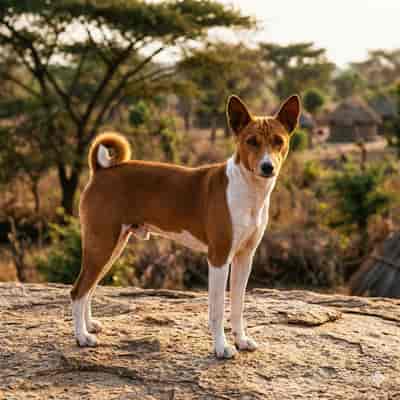

Is a Basenji Right for You?
Personality traits, family compatibility, and lifestyle match - everything you need to decide.
Is a Basenji Right for You?
Take our 1-minute compatibility quiz based on real owner data
The Basenji Personality
Personality traits reported by 3 Basenji owners:
3 owners report this trait
2 owners report this trait
2 owners report this trait
2 owners report this trait
2 owners report this trait
2 owners report this trait
1 owners report this trait
1 owners report this trait
1 owners report this trait
Know Before You Commit
Important behavioral traits that potential owners should understand:
Basenjis sind distanziert, unabhängig und reinigen sich selbst. Sie werden Ihnen nicht bewundernd in die Augen schauen und auf einen Befehl warten. Wenn Sie einen Hund möchten, der darauf ausgerichtet ist zu gefallen, ist dies die falsche Rasse. Sie sind notorisch schwer mit traditionellen Methoden zu trainieren und ignorieren offen Befehle, die sie für sinnlos halten.
Dies ist ein erhebliches Problem in der Rasse. Forschungen zeigen, dass aggressives Verhalten gegenüber anderen Hunden bei einem erheblichen Teil der Basenjis in einer Studie berichtet wurde, deutlich höher als bei vielen anderen Rassen. Diese Aggression manifestiert sich oft rund um die sexuelle Reife (18-24 Monate) und ist besonders stark zwischen Hunden des gleichen Geschlechts.
Der Basenji ist ein Sicht- und Geruchshund mit einem starken Jagdtrieb. Sie werden kleine Tiere verfolgen, packen und töten. Sie sind im Allgemeinen gefährlich für Katzen, Kaninchen und Hamster, es sei denn, sie wurden von Welpenalter an mit ihnen aufgezogen, und selbst dann kann der Instinkt das Training in einem Bruchteil einer Sekunde außer Kraft setzen.
Ein Basenji kann Maschendrahtzäune erklimmen, Riegel öffnen und durch unmöglich kleine Lücken zwängen. Sie haben keinerlei Straßenverstand und werden ins Verkehrsgewühl rennen, wenn sie ein Eichhörnchen sehen. Zuverlässigkeit ohne Leine existiert für diese Rasse praktisch nicht.
Family Compatibility
How Basenjis typically interact with different family members and pets:
Children (0-5 years)
Basenjis are typically patient and gentle with young children - always supervise interactions
Tip: Teach children to be gentle, never disturb during eating or sleeping
Children (5-12 years)
Excellent playmates! Basenjis often bond strongly with school-age children
Tip: Great age to involve kids in feeding, grooming, and training
Teenagers
Basenjis typically do well with teenagers who can help with exercise and care
Tip: Teens can take on walking and training responsibilities
Other Dogs
Most Basenjis can live harmoniously with other dogs when properly introduced
Tip: Gradual introductions on neutral territory work best
Cats
Can learn to live with cats, especially if raised together
Tip: Early socialization with cats increases success
Small Pets (rabbits, hamsters)
Caution advised - most dogs have some prey instinct toward small animals
Tip: Always keep small pets securely housed when dog is present
Living Situation Compatibility
Apartment
Basenjis can adapt well to apartment living with adequate exercise
- Daily walks are essential
- Generally quiet indoors
- Mental stimulation important
House with Yard
Ideal setup for most Basenjis - space to play and explore
- Secure fencing required
- Supervised outdoor time recommended
- Still needs walks for enrichment
Rural/Farm
Basenjis enjoy rural settings
- Good recall training essential
- Watch for wildlife
- Plenty of room to exercise
First-Time Owner
Basenjis may be better suited for experienced owners
- Consider professional training
- Research breed thoroughly
- Be prepared for challenges
Work From Home
Basenjis love having their people around all day
- Set boundaries for work time
- Schedule regular breaks for play
- Create a comfortable space for them
Away 8+ Hours
Basenjis can handle being alone with proper setup
- Gradual training to be alone
- Enrichment toys
- Morning exercise before leaving
Training Your Basenji
Independent Thinker
Intelligent but may have their own agenda - not for novice owners
Training Tips:
- Establish yourself as leader early
- Make training fun and rewarding
- Consider professional help
- Be very patient and consistent
Common Challenges:
- May ignore commands if uninterested
- Requires experienced handler
- Need strong boundaries
Pro tip: Consider professional training classes, especially for first-time Basenji owners. Group classes also provide valuable socialization.
Behavioral Patterns to Know
Some behaviors reported by Basenji owners that may need attention:
Pulling the leash
Tendency to pull on leash during walks
How to manage:
- Use front-clip harness
- Practice loose-leash walking
Remember: These percentages show how many owners report this behavior, not severity. Most can be managed with proper training.
Exercise Needs
Needs 60-90 minutes of daily exercise
Recommended Activities:
- Daily walks (vary routes for mental stimulation)
- Fetch and interactive play
- Puzzle toys and training sessions
Mental Stimulation
Basenjis are intelligent dogs that need mental challenges to stay happy and prevent boredom-related behaviors.
Ideas:
- Puzzle feeders and treat-dispensing toys
- Short training sessions (10-15 min)
- Nose work and scent games
- New environments and experiences