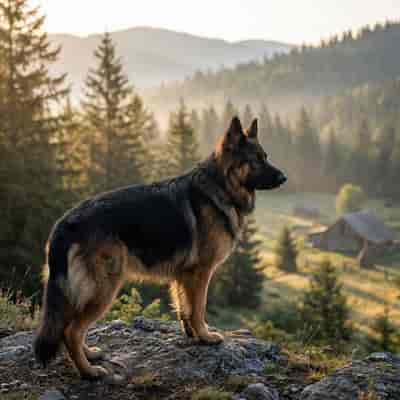

Is a German Shepherd Dog Right for You?
Personality traits, family compatibility, and lifestyle match - everything you need to decide.
Is a German Shepherd Dog Right for You?
Take our 1-minute compatibility quiz based on real owner data
The German Shepherd Dog Personality
Personality traits reported by 88 German Shepherd Dog owners:
61 owners report this trait
49 owners report this trait
45 owners report this trait
43 owners report this trait
34 owners report this trait
31 owners report this trait
29 owners report this trait
29 owners report this trait
28 owners report this trait
Know Before You Commit
Important behavioral traits that potential owners should understand:
Der GSD wurde gezüchtet, um Grenzen zu bewachen und auf Veränderungen in der Umgebung aufmerksam zu machen. In einem modernen städtischen Umfeld äußert sich dies oft als Leinenreaktivität oder Barrierefrust. Ohne selbstbewusste Führung und umfassende Sozialisation kann ihr natürliches Misstrauen gegenüber Fremden zu angstbasierter Aggression eskalieren.
GSDs sind Hütehunde mit einem hohen Kontrollbedürfnis. Sie haben oft Schwierigkeiten in chaotischen Umgebungen (wie Kindergeburtstagen oder Hundeparks), wo sie versuchen könnten, Fersen zu schnappen oder die Bewegung zu 'kontrollieren', um Ordnung herzustellen.
Dies ist eine 'Klettverschluss'-Rasse, die sich intensiv an ihren Halter bindet. Sie neigen zu schwerer Trennungsangst, was oft in der Zerstörung von Wänden, Türen und Möbeln resultiert, wenn sie ohne Konditionierung lange allein gelassen werden.
Obwohl viele GSDs friedlich in Rudeln leben, ist gleichgeschlechtliche Aggression — insbesondere unter Weibchen — ein dokumentiertes Problem, das oft mit der Geschlechtsreife (12–24 Monate) auftritt.
Family Compatibility
How German Shepherd Dogs typically interact with different family members and pets:
Children (0-5 years)
German Shepherd Dogs are typically patient and gentle with young children - always supervise interactions
Tip: Teach children to be gentle, never disturb during eating or sleeping
Children (5-12 years)
Excellent playmates! German Shepherd Dogs often bond strongly with school-age children
Tip: Great age to involve kids in feeding, grooming, and training
Teenagers
German Shepherd Dogs typically do well with teenagers who can help with exercise and care
Tip: Teens can take on walking and training responsibilities
Other Dogs
Most German Shepherd Dogs can live harmoniously with other dogs when properly introduced
Tip: Gradual introductions on neutral territory work best
Cats
High prey drive may make cat cohabitation challenging
Tip: Early socialization with cats increases success
Small Pets (rabbits, hamsters)
Caution advised - most dogs have some prey instinct toward small animals
Tip: Always keep small pets securely housed when dog is present
Living Situation Compatibility
Apartment
German Shepherd Dogs may find apartment living challenging
- Daily walks are essential
- Generally quiet indoors
- Mental stimulation important
House with Yard
Ideal setup for most German Shepherd Dogs - space to play and explore
- Secure fencing required
- Supervised outdoor time recommended
- Still needs walks for enrichment
Rural/Farm
German Shepherd Dogs thrive with lots of space to run
- Good recall training essential
- Watch for wildlife
- Plenty of room to exercise
First-Time Owner
German Shepherd Dogs are excellent for first-time owners - eager to please and trainable
- Basic obedience classes recommended
- Plenty of patience
- Consistent routine
Work From Home
German Shepherd Dogs love having their people around all day
- Set boundaries for work time
- Schedule regular breaks for play
- Create a comfortable space for them
Away 8+ Hours
German Shepherd Dogs may struggle with long alone time - prone to boredom and anxiety
- Dog walker or daycare strongly recommended
- Puzzle toys essential
- Consider a companion pet
Training Your German Shepherd Dog
Highly Trainable
Quick learner, eager to please, excellent for first-time owners
Training Tips:
- Use positive reinforcement
- Start training early
- Keep sessions short and fun
- Consistent commands work best
Behavioral Patterns to Know
Some behaviors reported by German Shepherd Dog owners that may need attention:
Pulling the leash
Tendency to pull on leash during walks
How to manage:
- Use front-clip harness
- Practice loose-leash walking
Hyperactive
A behavioral pattern observed in some dogs
How to manage:
- Consistent training helps
- Patience is key
Excessive Barking
Tendency to vocalize - may alert bark or bark for attention
How to manage:
- Train "quiet" command early
- Provide mental stimulation
Jumping
Jumps up on people when greeting
How to manage:
- Ignore jumping behavior
- Reward four feet on floor
Destructive
May chew or destroy items when bored or anxious
How to manage:
- Provide appropriate chew toys
- Crate train for alone time
Remember: These percentages show how many owners report this behavior, not severity. Most can be managed with proper training.
Exercise Needs
Needs 90-120 minutes of daily exercise
Recommended Activities:
- Daily walks (vary routes for mental stimulation)
- Fetch and interactive play
- Hiking, running, or dog sports
- Puzzle toys and training sessions
Mental Stimulation
German Shepherd Dogs are intelligent dogs that need mental challenges to stay happy and prevent boredom-related behaviors.
Ideas:
- Puzzle feeders and treat-dispensing toys
- Short training sessions (10-15 min)
- Nose work and scent games
- New environments and experiences