ModerateVerdauung
Gastric Dilatation-Volvulus (Bloat) in Dogs
Gastric Dilatation-Volvulus (Bloat) is a health condition that can affect dogs of various breeds. The severity and treatment options vary depending on the individual case.
Affected Breeds9
Dog Breeds Affected by Gastric Dilatation-Volvulus (Bloat)
Data from 9 breed health profiles
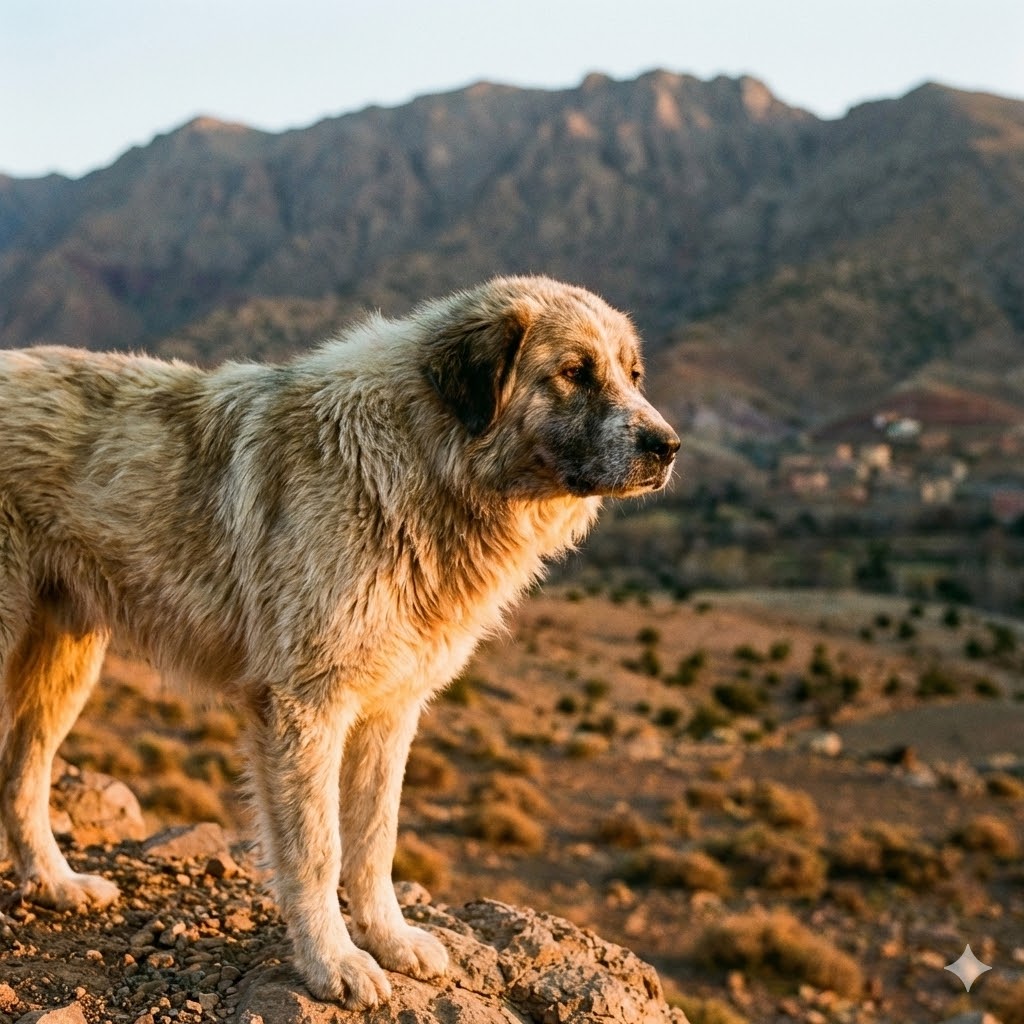
Aidi
Medium risk prevalence

Basset Hound
High risk prevalence

Cane Corso
High risk prevalence

Doberman Pinscher
High risk prevalence

Flat-Coated Retriever
High risk prevalence

German Shorthaired Pointer
High risk (deep-chested) prevalence

Great Pyrenees
High risk (deep-chested) prevalence

Newfoundland
High Risk prevalence
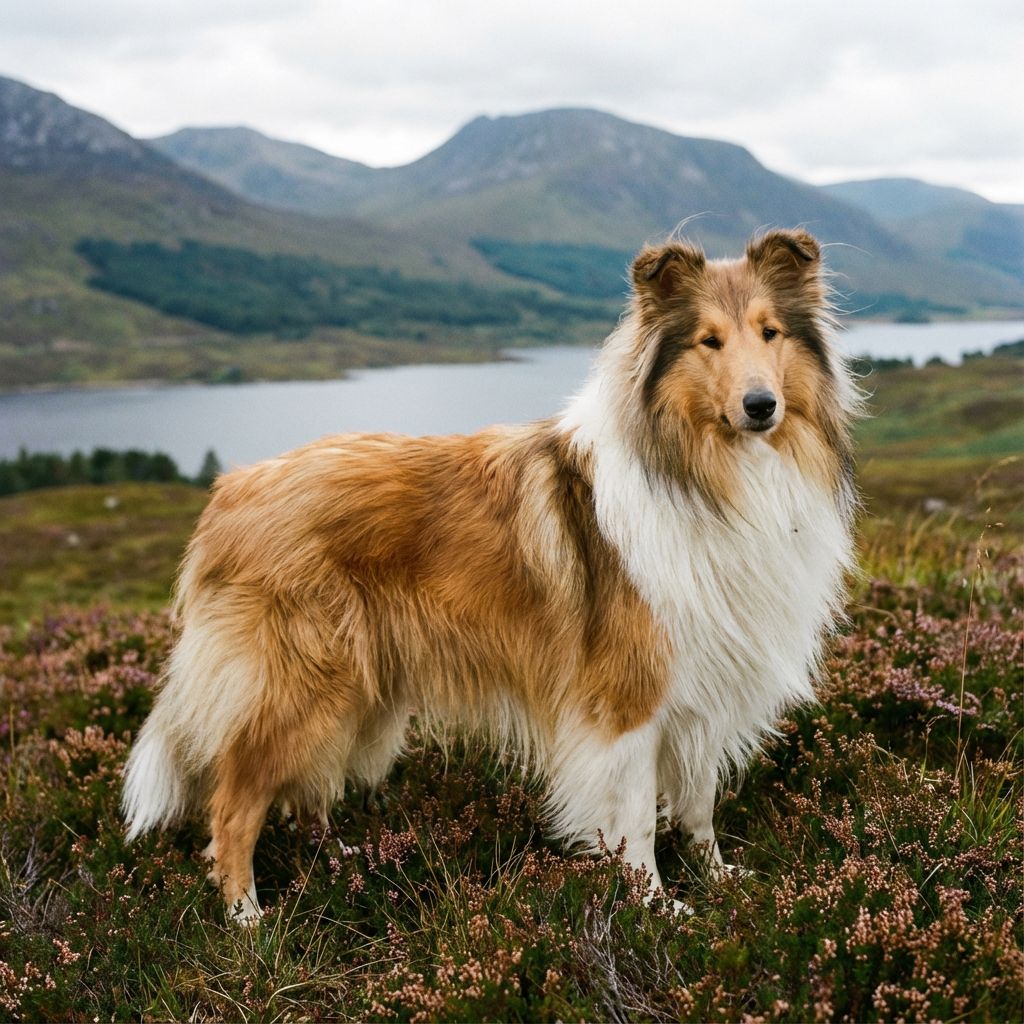
Scottish Sheepdog Longhair
Moderate-High risk prevalence
Symptoms to Watch For
- Behavioral changes
- Physical discomfort
- Changes in appetite or activity
- Consult your vet for specific symptoms
If you notice any of these symptoms in your dog, consult your veterinarian promptly.
Prevention & Management
Regular vet checkups
Maintain healthy lifestyle
Early detection through monitoring
Genetic testing when available
Related Health Issues
Frequently Asked Questions
What is Gastric Dilatation-Volvulus (Bloat) in dogs?
Gastric Dilatation-Volvulus (Bloat) is a health condition that can affect dogs of various breeds. The severity and treatment options vary depending on the individual case.
Which dog breeds are most affected by Gastric Dilatation-Volvulus (Bloat)?
Based on breed health data, Gastric Dilatation-Volvulus (Bloat) is commonly reported in Aidi, Basset Hound, Cane Corso, and 6 other breeds. Some breeds may have higher prevalence rates than others.
How can I prevent Gastric Dilatation-Volvulus (Bloat) in my dog?
Prevention strategies include: Regular vet checkups; Maintain healthy lifestyle; Early detection through monitoring; Genetic testing when available. Always consult with your veterinarian for personalized advice.
What are the symptoms of Gastric Dilatation-Volvulus (Bloat)?
Common symptoms include: Behavioral changes; Physical discomfort; Changes in appetite or activity; Consult your vet for specific symptoms. If you notice any of these signs, consult your veterinarian promptly.
Medical Disclaimer
This information is for educational purposes only and is not a substitute for professional veterinary advice. Always consult with a qualified veterinarian for diagnosis and treatment of health conditions in your dog.
All Issues
Browse directory
Top Issues
Most common conditions
Dog Breeds
Breed health profiles