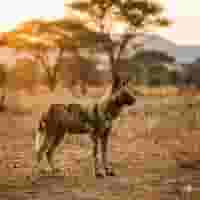
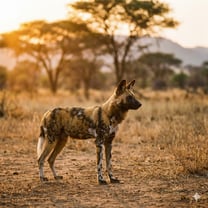
Passt ein Africanis zu dir?
Charaktereigenschaften, Familienverträglichkeit und Lifestyle-Match - alles für deine Entscheidung.
Passt ein Africanis zu dir?
Mach unseren 1-Minuten-Kompatibilitätstest auf Basis echter Besitzerdaten
Das sollten Sie wissen, bevor Sie sich entscheiden
Important behavioral traits that potential owners should understand:
Unlike a Golden Retriever that looks to you for direction, an Africanis makes its own decisions. They are cooperative but not subservient. If you require a dog that obeys commands instantly for the sake of obedience, this breed will frustrate you.
These dogs evolved to roam freely around rural homesteads. They have a high "wanderlust" and are known escape artists. A secure fence (minimum 1.8m) is non-negotiable.
They are naturally cautious of strangers. While rarely aggressive without cause, they will not greet your guests with a wagging tail immediately. They are watchdogs first, friends second.
They have a functional prey drive. While they can bond with livestock (goats, cattle) if raised with them, they may view strange small animals (cats, rabbits) as food.
Familienkompatibilität
How Africaniss typically interact with different family members and pets:
Children (0-5 years)
Africaniss are typically patient and gentle with young children - always supervise interactions
Tip: Teach children to be gentle, never disturb during eating or sleeping
Children (5-12 years)
Excellent playmates! Africaniss often bond strongly with school-age children
Tip: Great age to involve kids in feeding, grooming, and training
Teenagers
Africaniss typically do well with teenagers who can help with exercise and care
Tip: Teens can take on walking and training responsibilities
Other Dogs
Most Africaniss can live harmoniously with other dogs when properly introduced
Tip: Gradual introductions on neutral territory work best
Cats
High prey drive may make cat cohabitation challenging
Tip: Early socialization with cats increases success
Small Pets (rabbits, hamsters)
Caution advised - most dogs have some prey instinct toward small animals
Tip: Always keep small pets securely housed when dog is present
Kompatibilität der Wohnsituation
Apartment
Africaniss may find apartment living challenging
- Daily walks are essential
- Generally quiet indoors
- Mental stimulation important
House with Yard
Ideal setup for most Africaniss - space to play and explore
- Secure fencing required
- Supervised outdoor time recommended
- Still needs walks for enrichment
Rural/Farm
Africaniss thrive with lots of space to run
- Good recall training essential
- Watch for wildlife
- Plenty of room to exercise
First-Time Owner
Africaniss may be better suited for experienced owners
- Consider professional training
- Research breed thoroughly
- Be prepared for challenges
Work From Home
Africaniss love having their people around all day
- Set boundaries for work time
- Schedule regular breaks for play
- Create a comfortable space for them
Away 8+ Hours
Africaniss may struggle with long alone time - prone to boredom and anxiety
- Dog walker or daycare strongly recommended
- Puzzle toys essential
- Consider a companion pet
Ihren Africanis trainieren
Independent Thinker
Intelligent but may have their own agenda - not for novice owners
Trainingstipps
- Establish yourself as leader early
- Make training fun and rewarding
- Consider professional help
- Be very patient and consistent
Häufige Herausforderungen
- May ignore commands if uninterested
- Requires experienced handler
- Need strong boundaries
Pro tip: Consider professional training classes, especially for first-time Africanis owners. Group classes also provide valuable socialization.
Bewegungsbedarf
Braucht 60-90 Minuten taegliche Bewegung
Empfohlene Aktivitäten:
- Daily walks (vary routes for mental stimulation)
- Fetch and interactive play
- Puzzle toys and training sessions
Mentale Stimulation
Africaniss are intelligent dogs that need mental challenges to stay happy and prevent boredom-related behaviors.
Ideen:
- Puzzle feeders and treat-dispensing toys
- Short training sessions (10-15 min)
- Nose work and scent games
- New environments and experiences