Lhasa Apso vs Shiba Inu
Un confronto fianco a fianco per aiutarti a trovare la razza giusta per il tuo stile di vita.
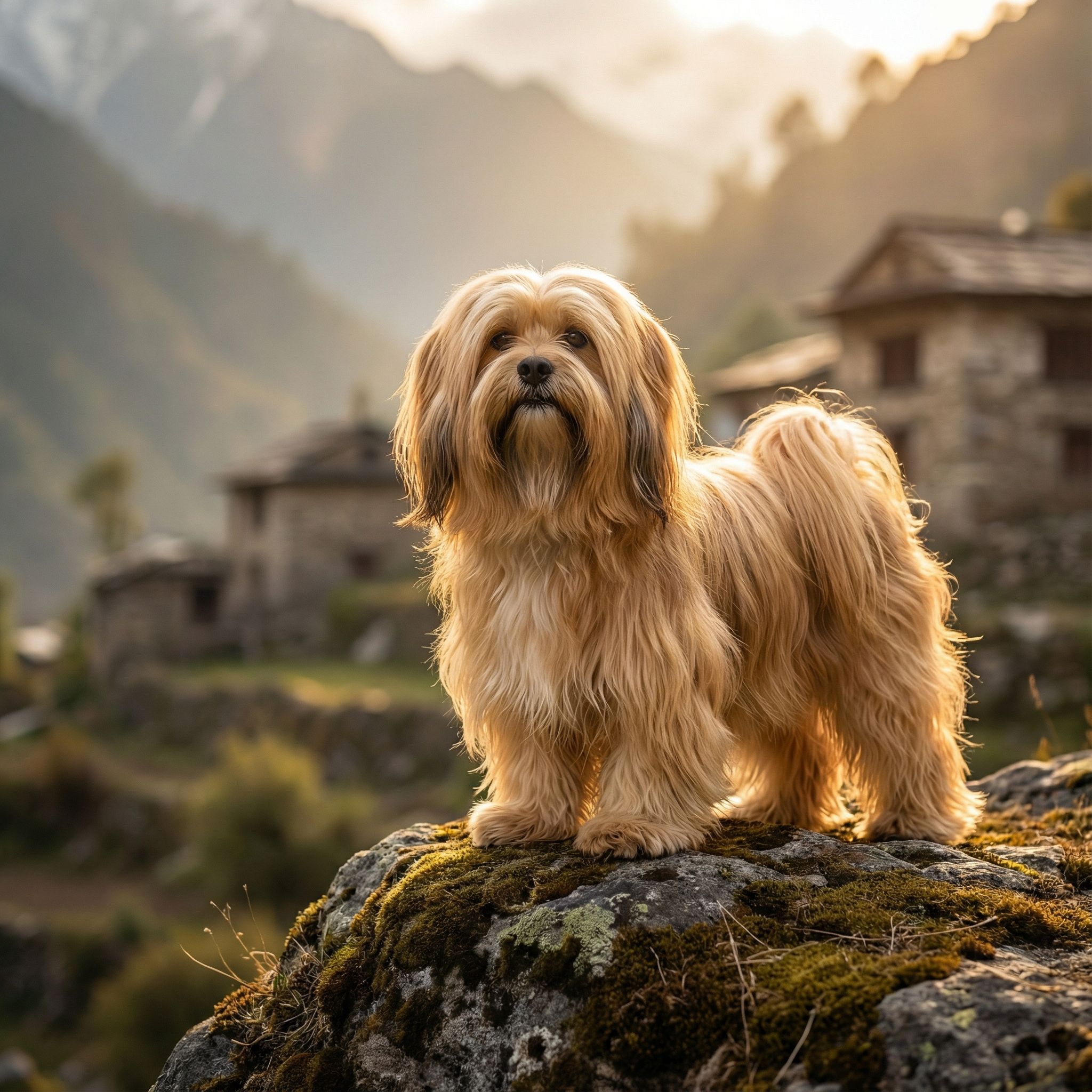
Lhasa Apso
The Lhasa Apso is a small, non-sporting dog breed originating from Tibet, known for its long, flowing coat and regal appearance. Traditionally bred as sentinel dogs in Buddhist monasteries, they are both alert and affectionate, making them excellent companions.
Piccolo
Basso
12-18 anni
N/A
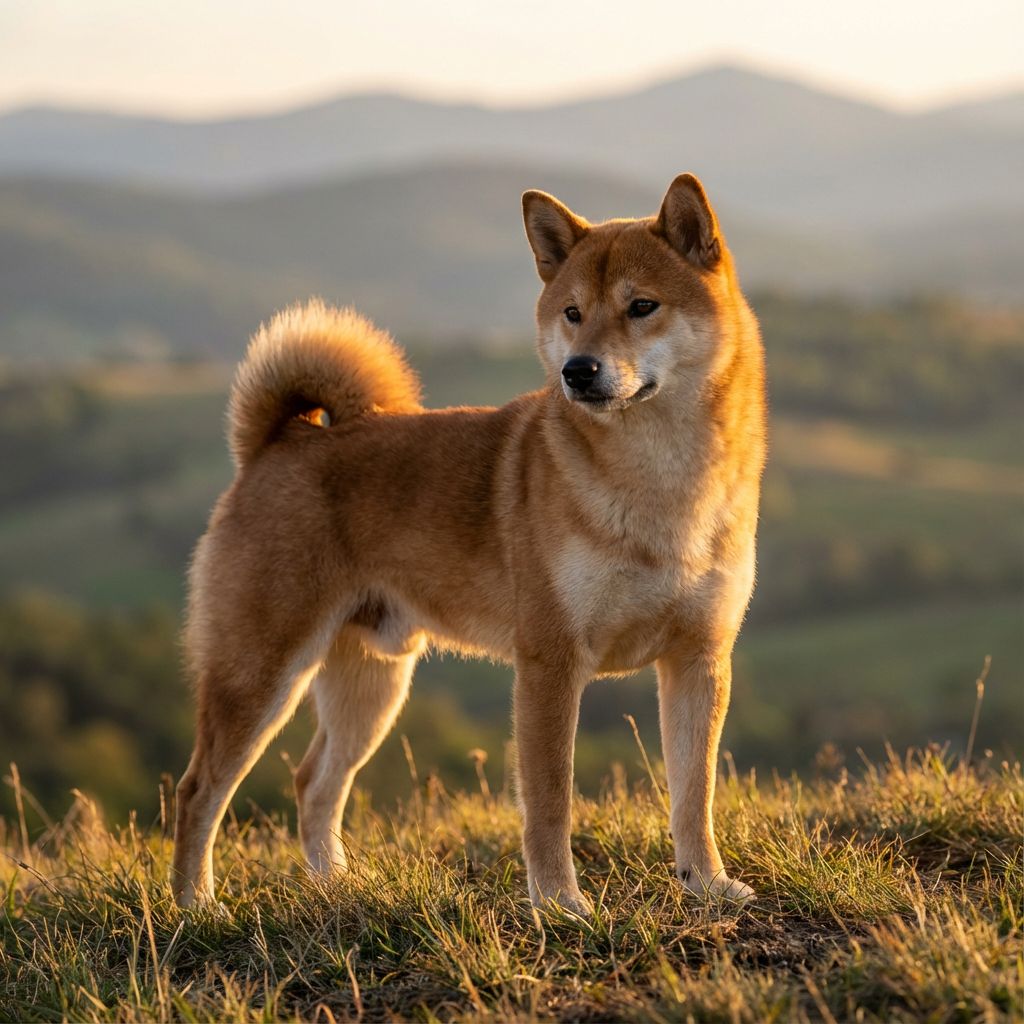
Shiba Inu
Conosciuto anche come: Japanese Shiba Inu, Shiba Ken, Brushwood Dog
The Shiba Inu is not a 'dog' in the traditional Western sense - it's a primitive Japanese hunting breed that behaves more like a cat. While their 'Doge' meme popularity has skyrocketed, this has led to high surrender rates due to mismatch between expectation and reality. They require experienced owners who understand their stubborn, independent nature.
Piccolo
Medio
14.6 anni
35-43 cm
8-11 kg
Confronto Rapido
| Caratteristica | Lhasa Apso | Shiba Inu |
|---|---|---|
| Energia | ||
| Addestrabilità | ||
| Necessità di Toelettatura | ||
| Adatto alla Famiglia | ||
| Indipendenza |
Caratteristiche Principali
| Con i Bambini | ||
| Con i Cani | ||
| Con i Gatti | ||
| Ipoallergenico | ||
| Adatto all'Appartamento | ||
| Adatto ai Proprietari alle Prime Armi |
| Dettaglio | Lhasa Apso | Shiba Inu |
|---|---|---|
| Taglia | Piccolo | Piccolo |
| Livello di Energia | Basso | Medio |
| Toelettatura | Alto | Medio |
| Addestrabilità | challenging | challenging |
| Livello di Abbaio | Alto | Basso |
| Livello di Perdita di Pelo | Basso | Alto |
| Forza di masticazione | Leggera | Moderata |
| Abitazione | Appartamento | Appartamento |
Profilo Proprietario & Guida alla Scelta
Compatibilità con il Proprietario
| Caratteristica | Lhasa Apso | Shiba Inu |
|---|---|---|
| Livello di Esperienza | Experienced | Intermediate to Advanced |
| Proprietario alle Prime Armi | ||
| Proprietario Ideale | Active individual or family who can provide adequate exercise and training for a Lhasa Apso. | Working single or couple without young children. Appreciates cat-like independence. Patient with stubborn behavior. Has secure fenced yard or commits to always-leashed walks. Understands operant conditioning and positive reinforcement. |
Punti Critici del Lhasa Apso
- Cannot meet 30-45 min daily exercise
- Cannot commit to grooming needs
Punti Critici del Shiba Inu
- Want a cuddle buddy - get a Golden Retriever. Shibas sit near you, not on you
- Want an off-leash hiking dog - get a Border Collie. Shibas will run away
- Have toddlers - risk of bite due to handling intolerance is too high
- Cannot handle stubborn refusal (the 'Shiba Halt')
Rischio di Abbandono
| Fattore | Lhasa Apso | Shiba Inu |
|---|---|---|
| Livello di Rischio | Medium | Medium |
| Ragioni Principali | Underestimated exercise needs, Behavioral challenges, Cost of care | He bites when I try to take his toy - resource guarding, He attacks other dogs - same-sex dog aggression, Many bought for 'meme' factor without realizing they're buying a primitive hunting dog |
Temperamento & Personalità
Confronto Comportamentale
| Caratteristica | Lhasa Apso | Shiba Inu |
|---|---|---|
| Istinto Predatorio | ||
| Capacità di Guardia | ||
| Amichevole con gli Sconosciuti | ||
| Livello di Bava | ||
| Tendenza a Vagabondare |
Vocalizzazione
| Caratteristica | Lhasa Apso | Shiba Inu |
|---|---|---|
| Livello di Abbaio | High | Low |
| Tendenza all'Ululato | ||
| Tendenza a Guaire | Low | Low |
| Vocalizzazione da Separazione |
Sicurezza & Affidabilità
| Caratteristica | Lhasa Apso | Shiba Inu |
|---|---|---|
| Fuggitivo | ||
| Adatto al Parco per Cani | ||
| Affidabile senza Guinzaglio | ||
| Sicuro con Animali Piccoli | ||
| Reattività al Guinzaglio | ||
| Rischio di Guardia delle Risorse | Low | Moderate to High |
Tratti Sociali del Lhasa Apso
Moderate
Selective
Tratti Sociali del Shiba Inu
High
High - same-sex aggression common. Play rough (body slamming, growling) which other breeds misinterpret.
Addestramento
Lhasa Apso
- ** Positive reinforcement is the *only* way. Harsh corrections will cause a Lhasa to shut down or bite. They respond well to food rewards but will bore quickly with repetition.
Shiba Inu
- Make it worth their while - they only work for valuable rewards
- Never force into scary situations - creates permanent reactivity
- Start handling desensitization day one for vet visits and nail trims
- Accept that recall will never be reliable off-leash
Considerazioni sul Lhasa Apso
Because they are small and cute, owners often tolerate growling or resource guarding in puppyhood that would be corrected in a Rottweiler. In a Lhasa, this evolves into a dog that bites when moved off the couch or when a toddler stumbles over them. They have a low tolerance for handling they didn't initiate.
This is not a social butterfly. A Lhasa Apso’s default setting for strangers is suspicion. Without extensive early socialization, this can manifest as nuisance barking or "fear biting" when guests enter the home. They are watchdogs first, companions second.
They do not live to please you; they live to coexist with you. If you ask a Lhasa to sit, they will consider if it’s worth their while. This "cat-like" independence frustrates owners used to biddable breeds like Labradors.
Considerazioni sul Shiba Inu
Extreme stubbornness. If a Shiba doesn't want to walk, it will plant its feet and refuse to move. This is not a training failure - it's a personality trait.
Unlike Golden Retrievers that tolerate hugs, Shibas have strict bodily autonomy boundaries. They may snap or scream if touched in a way they dislike - risky for families with toddlers.
Highly common for Shibas to develop aggression toward dogs of the same sex, typically emerging at 18-24 months. Dog parks become impossible.
You can almost NEVER trust a Shiba off-leash. Their prey drive and independence override training. If they see a squirrel or decide to explore, they're gone.
Compatibilità Multispecie
| Specie | Lhasa Apso | Shiba Inu |
|---|---|---|
| Con i Gatti | Generally safe with proper introduction | Proceed with caution - high prey drive, may chase running cats |
| Piccoli Mammiferi | Supervision required | UNSAFE - will hunt them |
| Uccelli / Rettili | Caution advised | Unsafe |
Comportamento Avanzato
| Caratteristica | Lhasa Apso | Shiba Inu |
|---|---|---|
| Rischio di Sequenza Predatoria | Medium | Full |
| Obbedienza | Low | Low |
| Sensibilità al Rumore | Low | Medium |
| Abbaio Territoriale | ||
| Insorgenza di Aggressività tra Stesso Sesso | 18 months | 18 months |
Shiba Inu: Full predatory sequence (Eye -> Stalk -> Chase -> Grab -> Kill) retained from hunting heritage. High adaptive intelligence (problem solving - opening latches, escaping crates) but will fail obedience tests because they don't see the point.
Primo Anno & Fasi di Vita
Sfide del Primo Anno
| Sfida | Lhasa Apso | Shiba Inu |
|---|---|---|
| Difficoltà da Cucciolo | ||
| Fase Distruttiva | 6-18 | 6-12 |
| Educazione Domestica | Moderate | Easy |
| Addestramento alla Gabbia | Medium | Medium |
| Regressione Adolescenziale |
Lhasa Apso: Lhasa Apso puppies require consistent training and patience.
Shiba Inu: While exceptionally clean and often house-trained by 8 weeks with zero accidents, the 'land shark' phase is intense - they bite hard and frequently during play. Their intolerance for handling makes vet visits and nail trims a battle from day one if not desensitized.
Linea del Tempo delle Fasi di Vita
| Fase | Lhasa Apso | Shiba Inu |
|---|---|---|
| Fase da Cucciolo | 12 months | 12 months |
| Adolescenza | 6-18 | 6-18 |
| Anni Adulti | 2-8 | 2-10 |
| Inizio dell'Età Senior | ~8 years | ~10 years |
| Età di Picco Energetico | 1-3 years | 1-3 years |
Taglia & Caratteristiche Fisiche
Dati Fisici
| Misurazione | Lhasa Apso | Shiba Inu |
|---|---|---|
| Altezza | N/A | 35-43 cm |
| Peso | Dati ancora insufficienti | Dati ancora insufficienti |
| Categoria di Taglia | Piccolo | Piccolo |
| Aspettativa di Vita | 12–18 anni | 15 anni |
| Dimensione della Cucciolata | 4-8 | 2-4 |
Mantello del Lhasa Apso
Mantello del Shiba Inu
Lignaggio & Origine
| Dettaglio | Lhasa Apso | Shiba Inu |
|---|---|---|
| Scopo Originale | an indoor sentinel in Buddhist monasteries and palaces in Tibet | Hunting small game (birds, rabbits) and occasionally wild boar in dense mountainous brush in Japan |
| Origine | Drepung Monastery in 1981 | Japan, ancient breed - smallest of six native Japanese Spitz breeds (Nihon Ken) |
Dettagli di Allevamento
| Dettaglio | Lhasa Apso | Shiba Inu |
|---|---|---|
| Tasso di Taglio Cesareo | Varies | Low |
| Difficoltà al Parto | Medium | Easy |
| Tasso di Mortalità dei Cuccioli | Low | Low |
Rischi Fisici
| Rischio | Lhasa Apso | Shiba Inu |
|---|---|---|
| Rischio Torsione Gastrica / GDV | Low | Low |
| Rischio su Pavimenti Scivolosi | Low | Low |
| Altezza Minima del Recinto | 1.5m | 1.5m |
| Rischio di Scavo / Fuga | Low | High |
Salute & Condizioni Comuni
Problemi di Salute del Lhasa Apso
Problemi di Salute del Shiba Inu
Test Consigliati per Lhasa Apso
- PRA4 DNA test
- Renal Dysplasia screening
- Eye examination
- Patella evaluation
Test Consigliati per Shiba Inu
- OFA Eyes (goniodysplasia/glaucoma)
- OFA Patellas
- OFA Hips
- DNA Testing for GM1 Gangliosidosis
Panoramica dei Rischi Sanitari
| Fattore di Rischio | Lhasa Apso | Shiba Inu |
|---|---|---|
| Rischio di Cancro | Medium | Low |
| Rischio Cardiaco | Low | Low |
| Rischio Neurologico | Low | Low |
| Rischio di Rottura CCL/ACL | Low | Low |
| Livello di Onere Veterinario | Medium | Medium |
Sensibilità & Allergie
| Sensibilità | Lhasa Apso | Shiba Inu |
|---|---|---|
| Allergie della Pelle | ||
| Allergie Ambientali | ||
| Sensibilità Gastrica | Low | Medium |
| Allergie Alimentari | Chicken, Beef, Environmental (grass, pollen) |
Manutenzione della Salute
| Elemento di Cura | Lhasa Apso | Shiba Inu |
|---|---|---|
| Tasso di Crescita delle Unghie | Normal | Normal |
| Necessità di Cure Oculari | Low | High |
| Problemi alle Ghiandole Anali | Occasional | Rare |
Cure Senior & Invecchiamento
Cure Senior del Lhasa Apso
Problemi Senior Comuni
- Arthritis
- Vision decline
- Cognitive changes
Senior care varies by individual health.
Cure Senior del Shiba Inu
Problemi Senior Comuni
- Cognitive dysfunction (dementia) in very old Shibas (15+)
- Arthritis
- Vision decline (glaucoma risk)
Long-lived breed. VetCompass UK data shows median lifespan of 14.6 years - significantly higher than average for dogs.
Toelettatura & Cura
Lhasa Apso
Manutenzione highShiba Inu
Manutenzione mediumCompatibilità con lo Stile di Vita
Vita Quotidiana del Lhasa Apso
Vita Quotidiana del Shiba Inu
Abitazione & Restrizioni Legali
| Restrizione | Lhasa Apso | Shiba Inu |
|---|---|---|
| Soggetto a Restrizioni BSL | ||
| Divieto Comune negli Affitti | ||
| Lista Nera Assicurativa | ||
| Categoria di Peso | Under 50lbs | Under 25lbs |
Tolleranza Climatica
| Clima | Lhasa Apso | Shiba Inu |
|---|---|---|
| Tolleranza al Caldo | ||
| Tolleranza al Freddo | ||
| Affinità con l'Acqua | Medium | Low |
Compatibilità di Viaggio
| Attività | Lhasa Apso | Shiba Inu |
|---|---|---|
| Viaggi in Auto | Good | Good |
| Campeggio | ||
| Adatto alla Spiaggia | ||
| Valutazione per l'Escursionismo | ||
| Idoneo al Volo in Cabina | ||
| Taglia Adatta agli Hotel |
Idoneità a Nicchie Specifiche
| Ruolo | Lhasa Apso | Shiba Inu |
|---|---|---|
| Cane da Assistenza | Low | None |
| Cane da Terapia | Low | None |
| Terapia a Pressione Profonda | ||
| Canicross / Bikejoring | ||
| Adattabile all'Appartamento | ||
| Adatto Tattilmente / Sensorialmente | ||
| Guardiano del Bestiame | ||
| Allerta Medico | Low | None |
Costi & Spese
Costi Iniziali
| Costo | Lhasa Apso | Shiba Inu |
|---|---|---|
| Prezzo di Acquisto | N/A | $1,500-3,500 |
| Intervallo di Costo Iniziale | $1,000–$2,500 | $1,500–$3,500 |
| Livello di Costo |
Costi Continuativi
| Costo | Lhasa Apso | Shiba Inu |
|---|---|---|
| Intervallo Mensile | $70–$110 | $80–$150 |
| Intervallo Annuale | $840–$1,320 | $960–$1,800 |
| Cibo / Mese | $30-50 | $40-60 |
| Assicurazione / Mese | $40-60 | $30-50 |
| Toelettatura / Sessione | $60-100 | $0-50 |
| Visita Veterinaria Routine / Anno | N/A | $300-500 |
| Livello di Costo Mensile |
Costo di Vita del Lhasa Apso
N/A
Costo di Vita del Shiba Inu
$15,000-25,000
Curiosità & Fatti Divertenti
Curiosità Quotidiane
| Curiosità | Lhasa Apso | Shiba Inu |
|---|---|---|
| Russamento | ||
| Flatulenza | Occasional | Rare |
| Livello di Bava | Low | None |
| Odore da Bagnato | Moderate | Low |
| Frequenza degli Zoomies | Occasional | Daily |
| Furto dal Piano Cucina | ||
| Tendenza a Scavare | Low | Medium |
Curiosità del Shiba Inu
The Shiba Scream
A high-pitched, deafening vocalization when unhappy, stressed, or simply don't want to do something (like nail trims). Can be heard blocks away.
The Shiba 500
Explosive zoomies around the house or yard, often at random times
Cat-Like Cleanliness
Groom themselves like cats, avoid puddles, hate baths. One of easiest breeds to housebreak.
Drama Queens
If they step on a leaf wrong, they may scream as if their leg is broken. Extremely sensitive to physical discomfort.
The 'What's In It For Me?' Factor
Unlike Labs that work for praise, Shibas work only for high-value rewards (cheese, freeze-dried liver). If reward isn't worth the effort, they ignore you.
Domande Frequenti
Trasforma il tuo cane in un deal di marca.
I brand di animali cercano creator autentici — non celebrità. Se hai un Lhasa Apso o un Shiba Inu, puoi ricevere prodotti gratuiti, attrezzatura e vantaggi esclusivi semplicemente condividendo la vita del tuo cane su Instagram.
Nessun minimo di follower · Iscrizione gratuita
Basato su dati di ricerca completi sulle razze.