
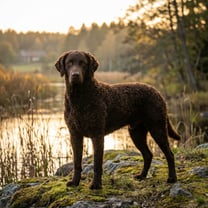
Is a Curly Coated Retriever Right for You?
Personality traits, family compatibility, and lifestyle match - everything you need to decide.
Is a Curly Coated Retriever Right for You?
Take our 1-minute compatibility quiz based on real owner data
Know Before You Commit
Important behavioral traits that potential owners should understand:
見知らぬ人全員を大歓迎するような犬が欲しい方には、カーリーは向いていません。彼らは生来、見知らぬ人に対して警戒心を持ち、縄張りをパトロールします。理由なく攻撃的になることはありませんが、愛情を親しい仲間に限定する、真剣な番犬です。
この犬種は頼まれたからといって命令に従うわけではありません。リクエストの価値を評価するのです。ドア、ゲート、キャビネットを開けることで知られています。その知性は操作的で、ルールの抜け穴を必ず見つけます。
カーリーは精神的に3年以上「子犬」のままでいることがあります。2歳で落ち着いた成犬を期待するオーナーは、長引く思春期と境界線への挑戦にフラストレーションを感じるでしょう。
Family Compatibility
How Curly Coated Retrievers typically interact with different family members and pets:
Children (0-5 years)
Curly Coated Retrievers are typically patient and gentle with young children - always supervise interactions
Tip: Teach children to be gentle, never disturb during eating or sleeping
Children (5-12 years)
Excellent playmates! Curly Coated Retrievers often bond strongly with school-age children
Tip: Great age to involve kids in feeding, grooming, and training
Teenagers
Curly Coated Retrievers typically do well with teenagers who can help with exercise and care
Tip: Teens can take on walking and training responsibilities
Other Dogs
Most Curly Coated Retrievers can live harmoniously with other dogs when properly introduced
Tip: Gradual introductions on neutral territory work best
Cats
High prey drive may make cat cohabitation challenging
Tip: Early socialization with cats increases success
Small Pets (rabbits, hamsters)
Caution advised - most dogs have some prey instinct toward small animals
Tip: Always keep small pets securely housed when dog is present
Living Situation Compatibility
Apartment
Curly Coated Retrievers may find apartment living challenging
- Daily walks are essential
- Generally quiet indoors
- Mental stimulation important
House with Yard
Ideal setup for most Curly Coated Retrievers - space to play and explore
- Secure fencing required
- Supervised outdoor time recommended
- Still needs walks for enrichment
Rural/Farm
Curly Coated Retrievers thrive with lots of space to run
- Good recall training essential
- Watch for wildlife
- Plenty of room to exercise
First-Time Owner
Curly Coated Retrievers may be better suited for experienced owners
- Consider professional training
- Research breed thoroughly
- Be prepared for challenges
Work From Home
Curly Coated Retrievers love having their people around all day
- Set boundaries for work time
- Schedule regular breaks for play
- Create a comfortable space for them
Away 8+ Hours
Curly Coated Retrievers may struggle with long alone time - prone to boredom and anxiety
- Dog walker or daycare strongly recommended
- Puzzle toys essential
- Consider a companion pet
Training Your Curly Coated Retriever
Independent Thinker
Intelligent but may have their own agenda - not for novice owners
Training Tips:
- Establish yourself as leader early
- Make training fun and rewarding
- Consider professional help
- Be very patient and consistent
Common Challenges:
- May ignore commands if uninterested
- Requires experienced handler
- Need strong boundaries
Pro tip: Consider professional training classes, especially for first-time Curly Coated Retriever owners. Group classes also provide valuable socialization.
Exercise Needs
Needs 90-120 minutes of daily exercise
Recommended Activities:
- Daily walks (vary routes for mental stimulation)
- Fetch and interactive play
- Hiking, running, or dog sports
- Puzzle toys and training sessions
Mental Stimulation
Curly Coated Retrievers are intelligent dogs that need mental challenges to stay happy and prevent boredom-related behaviors.
Ideas:
- Puzzle feeders and treat-dispensing toys
- Short training sessions (10-15 min)
- Nose work and scent games
- New environments and experiences