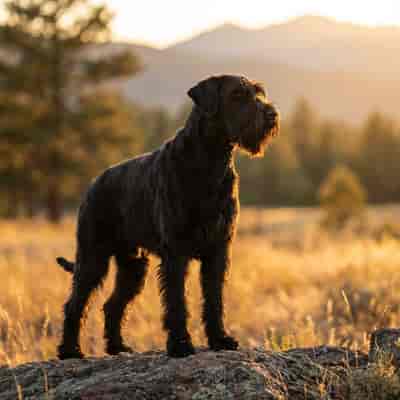
Is a Giant Schnauzer Right for You?
Personality traits, family compatibility, and lifestyle match - everything you need to decide.
Is a Giant Schnauzer Right for You?
Take our 1-minute compatibility quiz based on real owner data
Know Before You Commit
Important behavioral traits that potential owners should understand:
オスのジャイアント・シュナウザーは他のオスに対して著しく不寛容で、メスも同様に好戦的になれます。これは多くの場合、性的成熟(18〜24ヶ月)で現れ、平和だった子犬家庭を戦場に変えます。多くの飼い主は最終的に「クレート・アンド・ローテーション」(永久的な分離)になります。
喜ばせたがる犬種とは異なり、ジャイアント・シュナウザーは常に「なぜ私がそうしなければいけないの?」と問います。絶えず限界をテストします。受動的または一貫性のない飼い主は、リーダーシップを引き受けて資源守護と縄張り攻撃性につながる犬を飼うことになります。
害獣駆除と牛追い込みの遺産があります。捕食シーケンスの「キルバイト」部分がしばしば残っています。猫、ウサギ、小型犬は重大なリスクにさらされます。
ジャイアント・シュナウザーは多くの保険の「危険犬」リストに掲載されています。保険料が平均の2〜3倍になるか、または完全に補償が拒否される場合があります。この犬を迎える前に保険を確認してください。
Family Compatibility
How Giant Schnauzers typically interact with different family members and pets:
Children (0-5 years)
Giant Schnauzers may need careful introduction and supervision with young children
Tip: Teach children to be gentle, never disturb during eating or sleeping
Children (5-12 years)
Can be good with older children who understand how to interact with dogs
Tip: Great age to involve kids in feeding, grooming, and training
Teenagers
Giant Schnauzers typically do well with teenagers who can help with exercise and care
Tip: Teens can take on walking and training responsibilities
Other Dogs
Most Giant Schnauzers can live harmoniously with other dogs when properly introduced
Tip: Gradual introductions on neutral territory work best
Cats
High prey drive may make cat cohabitation challenging
Tip: Early socialization with cats increases success
Small Pets (rabbits, hamsters)
Caution advised - most dogs have some prey instinct toward small animals
Tip: Always keep small pets securely housed when dog is present
Living Situation Compatibility
Apartment
Giant Schnauzers may find apartment living challenging
- Daily walks are essential
- Generally quiet indoors
- Mental stimulation important
House with Yard
Ideal setup for most Giant Schnauzers - space to play and explore
- Secure fencing required
- Supervised outdoor time recommended
- Still needs walks for enrichment
Rural/Farm
Giant Schnauzers thrive with lots of space to run
- Good recall training essential
- Watch for wildlife
- Plenty of room to exercise
First-Time Owner
Giant Schnauzers may be better suited for experienced owners
- Consider professional training
- Research breed thoroughly
- Be prepared for challenges
Work From Home
Giant Schnauzers love having their people around all day
- Set boundaries for work time
- Schedule regular breaks for play
- Create a comfortable space for them
Away 8+ Hours
Giant Schnauzers may struggle with long alone time - prone to boredom and anxiety
- Dog walker or daycare strongly recommended
- Puzzle toys essential
- Consider a companion pet
Training Your Giant Schnauzer
Independent Thinker
Intelligent but may have their own agenda - not for novice owners
Training Tips:
- Establish yourself as leader early
- Make training fun and rewarding
- Consider professional help
- Be very patient and consistent
Common Challenges:
- May ignore commands if uninterested
- Requires experienced handler
- Need strong boundaries
Pro tip: Consider professional training classes, especially for first-time Giant Schnauzer owners. Group classes also provide valuable socialization.
Exercise Needs
Needs 60-90 minutes of daily exercise
Recommended Activities:
- Daily walks (vary routes for mental stimulation)
- Fetch and interactive play
- Hiking, running, or dog sports
- Puzzle toys and training sessions
Mental Stimulation
Giant Schnauzers are intelligent dogs that need mental challenges to stay happy and prevent boredom-related behaviors.
Ideas:
- Puzzle feeders and treat-dispensing toys
- Short training sessions (10-15 min)
- Nose work and scent games
- New environments and experiences