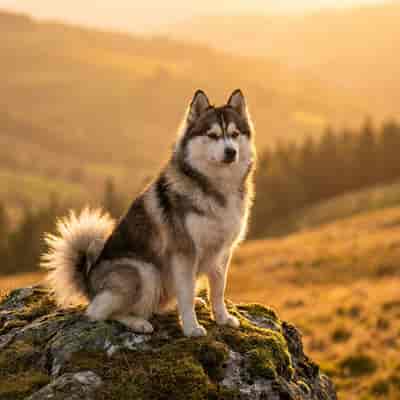

Is a ポムスキー Right for You?
Personality traits, family compatibility, and lifestyle match - everything you need to decide.
Is a ポムスキー Right for You?
Take our 1-minute compatibility quiz based on real owner data
Know Before You Commit
Important behavioral traits that potential owners should understand:
ポムスキーはポメラニアンの"番犬"的な警戒心とハスキーの強烈な追跡本能・独立心を兼ね備えることが多いです。これは、刺激に対して過敏に反応し、隣人に"ほえかかる"傾向がある一方、刺激が不足していると家具を破壊するほどの力を持つ犬として現れることがあります。
両親犬種はともに群れ志向(ハスキー)または同伴者志向(ポメラニアン)です。一人にされると、ポムスキーは重篤な分離不安で知られています。静かに耐えるタイプではなく、ハスキーの"叫び声"、遠吠え、破壊的な噛み癖で苦痛を表現します。
この犬種は従順性が低い評価を受けています。明確で高価値な見返り("私には何の得がある?")がない限り、コマンドを拒否することが多いです。ゴールデン・レトリバーのように褒め言葉を求めるタイプではありません。
ハスキーの放浪本能と掘り進む能力を受け継いだポムスキーは、フェンスをよじ登り、障壁の下を掘り、開いたドアから突進することで知られています。呼び戻し能力は信頼性が低いことで有名です。
Family Compatibility
How ポムスキーs typically interact with different family members and pets:
Children (0-5 years)
ポムスキーs may need careful introduction and supervision with young children
Tip: Teach children to be gentle, never disturb during eating or sleeping
Children (5-12 years)
Can be good with older children who understand how to interact with dogs
Tip: Great age to involve kids in feeding, grooming, and training
Teenagers
ポムスキーs typically do well with teenagers who can help with exercise and care
Tip: Teens can take on walking and training responsibilities
Other Dogs
Most ポムスキーs can live harmoniously with other dogs when properly introduced
Tip: Gradual introductions on neutral territory work best
Cats
High prey drive may make cat cohabitation challenging
Tip: Early socialization with cats increases success
Small Pets (rabbits, hamsters)
Caution advised - most dogs have some prey instinct toward small animals
Tip: Always keep small pets securely housed when dog is present
Living Situation Compatibility
Apartment
ポムスキーs may find apartment living challenging
- Daily walks are essential
- Generally quiet indoors
- Mental stimulation important
House with Yard
Ideal setup for most ポムスキーs - space to play and explore
- Secure fencing required
- Supervised outdoor time recommended
- Still needs walks for enrichment
Rural/Farm
ポムスキーs thrive with lots of space to run
- Good recall training essential
- Watch for wildlife
- Plenty of room to exercise
First-Time Owner
ポムスキーs may be better suited for experienced owners
- Consider professional training
- Research breed thoroughly
- Be prepared for challenges
Work From Home
ポムスキーs love having their people around all day
- Set boundaries for work time
- Schedule regular breaks for play
- Create a comfortable space for them
Away 8+ Hours
ポムスキーs may struggle with long alone time - prone to boredom and anxiety
- Dog walker or daycare strongly recommended
- Puzzle toys essential
- Consider a companion pet
Training Your ポムスキー
Independent Thinker
Intelligent but may have their own agenda - not for novice owners
Training Tips:
- Establish yourself as leader early
- Make training fun and rewarding
- Consider professional help
- Be very patient and consistent
Common Challenges:
- May ignore commands if uninterested
- Requires experienced handler
- Need strong boundaries
Pro tip: Consider professional training classes, especially for first-time ポムスキー owners. Group classes also provide valuable socialization.
Exercise Needs
Needs 60-90 minutes of daily exercise
Recommended Activities:
- Daily walks (vary routes for mental stimulation)
- Fetch and interactive play
- Hiking, running, or dog sports
- Puzzle toys and training sessions
Mental Stimulation
ポムスキーs are intelligent dogs that need mental challenges to stay happy and prevent boredom-related behaviors.
Ideas:
- Puzzle feeders and treat-dispensing toys
- Short training sessions (10-15 min)
- Nose work and scent games
- New environments and experiences