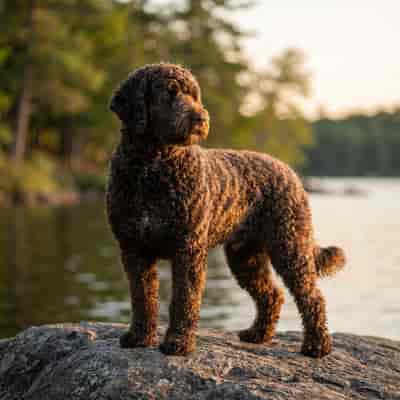

Is a ポルトガル・ウォーター・ドッグ Right for You?
Personality traits, family compatibility, and lifestyle match - everything you need to decide.
Is a ポルトガル・ウォーター・ドッグ Right for You?
Take our 1-minute compatibility quiz based on real owner data
The ポルトガル・ウォーター・ドッグ Personality
Personality traits reported by 2 ポルトガル・ウォーター・ドッグ owners:
2 owners report this trait
2 owners report this trait
2 owners report this trait
2 owners report this trait
2 owners report this trait
1 owners report this trait
1 owners report this trait
Know Before You Commit
Important behavioral traits that potential owners should understand:
PWDは小さな漁船で主人と一日中働くために繁殖されました。トイレまで後をついてきて、8時間以上一人にされると深刻な分離不安を発症することがあります。無視されると要求吠えや鳴き声を出す傾向があります。
レトリーバー犬種として、彼らは口を通して世界と交流します。PWDの子犬は非常に「噛み癖がある」口腔派として知られています——これは攻撃性ではありませんが、幼い子供には痛くて怖い思いをさせることがあります。
この犬種は後ろ足で踊り、顔に飛びかかって挨拶することで有名です。一部の人には魅力的ですが、高齢のオーナーや小さな子供には重大な転倒リスクとなります。
6〜8週間ごとに$100-150でのプロのグルーミングは必須であり、任意ではありません。これを怠ると皮膚を傷つける深刻な毛玉ができ、全体的な剃毛が必要になります。
Family Compatibility
How ポルトガル・ウォーター・ドッグs typically interact with different family members and pets:
Children (0-5 years)
ポルトガル・ウォーター・ドッグs are typically patient and gentle with young children - always supervise interactions
Tip: Teach children to be gentle, never disturb during eating or sleeping
Children (5-12 years)
Excellent playmates! ポルトガル・ウォーター・ドッグs often bond strongly with school-age children
Tip: Great age to involve kids in feeding, grooming, and training
Teenagers
ポルトガル・ウォーター・ドッグs typically do well with teenagers who can help with exercise and care
Tip: Teens can take on walking and training responsibilities
Other Dogs
Most ポルトガル・ウォーター・ドッグs can live harmoniously with other dogs when properly introduced
Tip: Gradual introductions on neutral territory work best
Cats
High prey drive may make cat cohabitation challenging
Tip: Early socialization with cats increases success
Small Pets (rabbits, hamsters)
Caution advised - most dogs have some prey instinct toward small animals
Tip: Always keep small pets securely housed when dog is present
Living Situation Compatibility
Apartment
ポルトガル・ウォーター・ドッグs may find apartment living challenging
- Daily walks are essential
- Generally quiet indoors
- Mental stimulation important
House with Yard
Ideal setup for most ポルトガル・ウォーター・ドッグs - space to play and explore
- Secure fencing required
- Supervised outdoor time recommended
- Still needs walks for enrichment
Rural/Farm
ポルトガル・ウォーター・ドッグs thrive with lots of space to run
- Good recall training essential
- Watch for wildlife
- Plenty of room to exercise
First-Time Owner
ポルトガル・ウォーター・ドッグs are excellent for first-time owners - eager to please and trainable
- Basic obedience classes recommended
- Plenty of patience
- Consistent routine
Work From Home
ポルトガル・ウォーター・ドッグs love having their people around all day
- Set boundaries for work time
- Schedule regular breaks for play
- Create a comfortable space for them
Away 8+ Hours
ポルトガル・ウォーター・ドッグs may struggle with long alone time - prone to boredom and anxiety
- Dog walker or daycare strongly recommended
- Puzzle toys essential
- Consider a companion pet
Training Your ポルトガル・ウォーター・ドッグ
Highly Trainable
Quick learner, eager to please, excellent for first-time owners
Training Tips:
- Use positive reinforcement
- Start training early
- Keep sessions short and fun
- Consistent commands work best
Exercise Needs
Needs 60-90 minutes of daily exercise
Recommended Activities:
- Daily walks (vary routes for mental stimulation)
- Fetch and interactive play
- Hiking, running, or dog sports
- Puzzle toys and training sessions
Mental Stimulation
ポルトガル・ウォーター・ドッグs are intelligent dogs that need mental challenges to stay happy and prevent boredom-related behaviors.
Ideas:
- Puzzle feeders and treat-dispensing toys
- Short training sessions (10-15 min)
- Nose work and scent games
- New environments and experiences