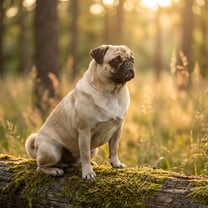
Pug breed photo

Pug

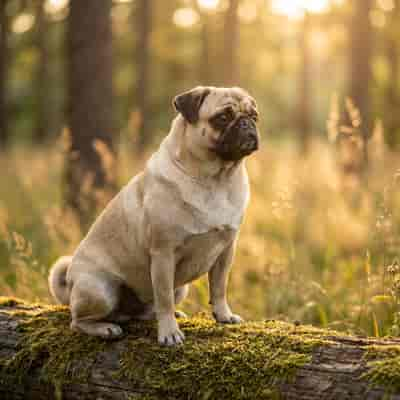
The Pug is a small, charming dog breed known for its wrinkled face, curly tail, and affectionate personality. With origins dating back to ancient China, Pugs are beloved for their playful and sociable nature, making them excellent companions. However, their flat faces come with serious health implications that every potential owner must understand.

2.2
ToyCompanion
Size
Small
5-10kg
Grooming
High Maintenance
Daily grooming
Family
Great with Kids
Patient & gentle nature
Family-friendly

The Honest Truth

Before you fall in love, know what you're getting into.

DealbreakerVelcro Syndrome & Separation Anxiety

Pugs were bred for centuries solely as companions to Chinese emperors. They have almost zero tolerance for isolation and will follow you everywhere. If left alone for standard workdays (8+ hours), they often develop severe separation anxiety manifesting as destruction or vocalization.

DealbreakerExtreme Heat Sensitivity

Pugs cannot pant efficiently to cool down. Heatstroke can kill a Pug in minutes at temperatures that are safe for other dogs. Air conditioning is mandatory, and outdoor activity must be severely restricted in warm weather.

ChallengeStubbornness

Pugs score low on traditional obedience intelligence. They are independent thinkers who often refuse commands if there is no immediate food reward. House training can take months, and some Pugs never become 100% reliable.

DealbreakerGuaranteed Medical Expenses

Due to their flat-faced anatomy, Pugs have guaranteed health issues. BOAS surgery can cost $2,000-$5,000, and insurance premiums are 40% higher than average breeds. This is not a low-cost dog.

症状 罹患率(%)
Brachycephalic Obstructive Airway Syndrome (BOAS)54x more likely than other breeds
ObesityHighest predisposition of any UK breed
Pug Dog Encephalitis (PDE/NME)Fatal - unique to Pugs
Ask breeder for:
BOAS grading assessmentPDE genetic testEye examinationSpinal evaluation +1 more
Initial Cost
$1,000-3,000
BudgetAveragePremium
Monthly Cost
$150-250
LowModerateHigh
Estimated Yearly Cost
$2,200-3,000

Includes food, insurance, vet visits, grooming, and supplies

Living Situation

Apartment Living
Excellent - ideal apartment dog, no yard needed
Work From Home
Excellent - the ultimate WFH colleague, will sleep under your desk
Alone Time
Very Low - shadow dogs with zero isolation tolerance
First-Time Owner
Good choice for beginners

With Other Pets

Dogs
Generally friendly
Cats
Excellent - often bullied by cats rather than vice versa
Small Mammals
Safe - one of few breeds safe with free-roaming rabbits or guinea pigs (supervised)
Birds & Reptiles
Safe - lacks prey drive instincts

Climate & Seasonal Care

Heat Tolerance 1/5
Cold Tolerance 2/5
Winter Needs
Needs coat/boots • Paw protection recommended
Summer Care
Limit exercise in heat
Seasonal Shedding
High

Air conditioning is MANDATORY in summer - can die even on mild days (20C/70F). Need coats in winter as low belly drags in snow.

Breed Origins

Origin
China, 400 B.C.
Original Purpose
Lap dog and companion to Chinese emperors
Field/Working Lines
N/A - no working lines exist
Show/Conformation Lines
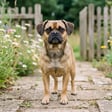
Modern 'Retromops' or 'Sport Pugs' bred for longer muzzles and improved health, not yet fully recognized by major kennel clubs

Living With a Pug

Odor Level
Strong - distinct doggy smell, yeast in wrinkles produces corn chip odor if not cleaned daily
Coat Feel
Soft/Velvet - ears are famously soft, body coat is coarse but smooth
Surrender Risk: Medium
  • Health costs - cannot afford BOAS surgery or corneal ulcer treatments
  • Housing - shedding or velcro behavior too much for landlords
  • Underestimated medical needs

Exercise Menu

30-40 min/day
Physical
30 minutes
Mental
20 minutes
Short Walks15-20 min each
Must be split into two 15-20 minute sessions
Indoor Play10-15 min
Safe option in any weather
Nosework/Snuffle Mats10-15 min
Pugs are food-motivated and excel at nose work without running
Trick Training5-10 min
Mental stimulation with high-value treats
NEVER exercise if temperature exceeds 25C (77F) or humidity is high. Pugs can die from heatstroke in minutes.

Life Stages

Puppy0-12 months

Not destructive or high-energy, but notoriously difficult to house train. Small bladders and stubbornness mean accidents may happen for up to a year.

Adolescent6-12 months

Peak energy age: 1-3 years

Adult1-7 years

Prime years - energy stabilizes but remains active

Senior8+ years

Many senior Pugs require wheelchairs or strollers while their minds remain active. Rear leg paralysis is common.

First Year Reality Check

5/10
Puppy Difficulty
Hard
House Training
Medium
Crate Training Success
6-12
Destructive Phase (months)

Travel & Adventure

Car Travel
Good
Hiking Companion
Camping
Not ideal
Beach Friendly
No
Cabin Eligible
Yes
Hotel Friendly
Yes

Fit under airplane seats but BANNED from cargo hold due to high respiratory distress risk. Not suitable for outdoor adventures due to heat sensitivity.

Safety & Containment

Dog Park
Suitable
Off-Leash
Not recommended
Escape Risk
Low
Min Fence Height
3 feet
Resource Guarding
Low to Moderate
Small Animal Safe
Yes

Not escape artists - want to stay near people. Food guarding possible - do not disturb while eating.

Breeding Information

5
Avg Litter Size
(range: 4-6)
20-30%
C-Section Rate
Hard
Whelping Difficulty
Medium
Puppy Mortality

Special Abilities

Sensory Friendly Coat

Training Guide

Recommended Method
Positive reinforcement ONLY
Learning Speed
25-40+ repetitions
Training Tips
  • High-value treats are non-negotiable
  • Keep sessions short (5 minutes)
  • Don't give up when they look 'sad' - avoid learned helplessness
  • Use food puzzles for mental stimulation
Common Challenges
  • Stubbornness - will refuse without immediate food reward
  • House training can take months
  • Sensitive to harsh corrections - will shut down

Community Insights

No Pug insights yet

We're gathering data from real Pug owners. Be the first to share your experience!

Register your Pug

Featured Pugs

Be the first Pug creator!

No Pugs registered yet. Join Dogfluence and showcase your furry friend to brands.

Start creating

Care Tips for Pugs

Tip #1

Provide 30-40 minutes of daily exercise split into two shorter sessions to prevent overheating.

Tip #2

Keep their skin folds clean and dry daily to prevent yeast infections and the 'cheese smell'.

Tip #3

Never exercise when temperature exceeds 25C (77F) - Pugs are extremely heat sensitive and can die from heatstroke.

Tip #4

Monitor their weight closely as Pugs have the highest obesity predisposition of any breed.

Breed Characteristics

Trainability
Independent Spirit
Energy Level
Couch Potato
Grooming Needs
High Maintenance
Size
Small
Hypoallergenic
No
Apartment
Suitable
Kids
Great
Weight
5-10kg

More Pug Resources

Not the Right Fit?

Frequently Asked Questions

Popular Pug Mixes

Join as a Pug Creator

Love your Pug? Join thousands of dogfluencers and get sponsored by top pet brands!

チャンネルを登録する