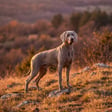

Rhodesian Ridgeback breed photo

Rhodesian Ridgeback

The Rhodesian Ridgeback is a distinctive and versatile dog breed originating from Southern Africa, known for its unique ridge of hair that runs along its back in the opposite direction to the rest of its coat. Originally bred for hunting and tracking lions, Ridgebacks are renowned for their strength, loyalty, and protective nature, making them both excellent companions and dependable watchdogs.

2.2
Hound
Size
Large
25-45kg
Grooming
Low Maintenance
Weekly brushing
Family
Great with Kids
Patient & gentle nature
Family-friendly

The Honest Truth

Before you fall in love, know what you're getting into.

DealbreakerExtreme Prey Drive

Bred to track lions, they have hardwired instincts to chase anything that moves—squirrels, cats, rabbits, small dogs. This drive is NOT trainable out. Off-leash reliability is rare and risky.

ChallengeIndependence & Stubbornness

Unlike people-pleasers, a Ridgeback asks 'What's in it for me?' They will weigh the pros and cons of your command before deciding whether to obey.

ChallengeSame-Sex Aggression

Male Ridgebacks particularly can become intolerant of other male dogs at sexual maturity (18-24 months), making multi-dog households challenging.

DealbreakerInsurance & Housing Blacklists

Frequently listed alongside Pit Bulls and Rottweilers on insurance company blacklists. Many landlords ban the breed due to size and liability concerns.

Ask breeder for:
Hip and Elbow Evaluation (OFA/PennHIP)Thyroid Function TestCardiac EvaluationDermoid Sinus Check (palpation at purchase) +1 more
Initial Cost
$1,800-2,500
BudgetAveragePremium
Monthly Cost
$150-250
LowModerateHigh
Estimated Yearly Cost
$1,800-3,000

Includes food, insurance, vet visits, grooming, and supplies

Living Situation

Apartment Living
Challenging - large size, need space, urban stimuli can be stressful for protective breed
Work From Home
Suitable - excellent office mates, will sleep quietly for hours after morning exercise
Alone Time
Medium - not as clingy as some breeds, but want to be in same room
First-Time Owner
Better for experienced owners

With Other Pets

Dogs
May be selective
Cats
Risky - best if raised from puppyhood with confident, dog-savvy cat; prey drive makes coexistence challenging
Small Mammals
Unsafe - will trigger full predatory sequence
Birds & Reptiles
Unsafe - hunting instincts activated

Climate & Seasonal Care

Heat Tolerance 5/5
Cold Tolerance 2/5
Winter Needs
Needs coat/boots • Paw protection recommended
Summer Care
Normal activity OK
Seasonal Shedding
Moderate

Coats MANDATORY in temps below 40°F (4°C) - zero insulation on belly and ears. Heat tolerant but avoid hot asphalt (burns paws).

Breed Origins

Origin
Southern Africa (Zimbabwe/Rhodesia), colonial era
Original Purpose
Track, corner, and bay lions until the hunter arrived; homestead protection in African bush
Field/Working Lines
No sharp split, but individual temperaments vary in drive intensity
Show/Conformation Lines
Ridge remains the hallmark; ridgeless puppies occur (5-6%) and are healthy pets

Living With a Rhodesian Ridgeback

Odor Level
Low
Coat Feel
Sleek but slightly bristly/wiry coat, not soft/fluffy
Surrender Risk: Medium
  • He got too big and we can't control him
  • Failed to train during 60lb adolescent phase, now have 90lb unmanageable dog
  • Jumps on grandma, drags owner on walks

Exercise Menu

90-120 min/day
Physical
75 minutes
Mental
25 minutes
Morning Jog/Run45-60 min
Brisk walk or jog once fully grown (45+ minutes)
Evening Off-Leash Play30 min
Vigorous play (fetch/tug) in securely fenced area
Lure Coursing20-30 min
Excellent outlet for prey drive - chasing mechanical lure
Hiking60+ min
Weekend activity - excellent stamina for miles
Mental Stimulation20-30 min
Food puzzles, scent work, or obedience training
A bored Ridgeback is a destructive Ridgeback. Under-exercise leads to counter-surfing, chewing, and household destruction.

Life Stages

Puppy0-14 months

Ridgeback puppies are rowdy 'land sharks' with razor-sharp teeth. They grow very fast and are physically strong at 6 months but mentally still puppies. Counter-surfers and notorious chewers.

Adolescent14-24 months

Peak energy age: 1-3 years

Adult2-8 years

Prime years - energy stabilizes but remains active

Senior8+ years

Slowing down significantly at 8+ years. Arthritis risks increase.

First Year Reality Check

7/10
Puppy Difficulty
Medium
House Training
High
Crate Training Success
6-18
Destructive Phase (months)
This breed commonly experiences adolescent regression - training may temporarily regress around 6-18 months

Travel & Adventure

Car Travel
Good
Hiking Companion
Camping
Suitable
Beach Friendly
Yes
Cabin Eligible
Too large
Hotel Friendly
May exceed limits

Excellent hiking companions with miles of stamina. Get cold at night camping - bring a sleeping bag for the dog. Must obey leash laws due to prey drive.

Safety & Containment

Dog Park
Use caution
Off-Leash
Not recommended
Escape Risk
High
Min Fence Height
6 feet (1.8m)
Resource Guarding
Low
Small Animal Safe
Use caution

Athletic jumpers - need 6ft minimum fence. Electronic/invisible fences NOT recommended - prey drive will make them run through shock, but fear prevents return. Must be leashed in unfenced areas.

Breeding Information

9
Avg Litter Size
(range: 8-10)
Low
C-Section Rate
Easy
Whelping Difficulty
Low
Puppy Mortality

Special Abilities

Canicross/Bikejoring

Training Guide

Recommended Method
Positive reinforcement with high-value treats
Learning Speed
15-25 (they know what you want, just deciding if it's worth it) repetitions
Training Tips
  • Keep sessions short and varied - they bore easily with repetition
  • High food drive is your best tool - use valuable treats
  • Never punish them for coming to you - even if they took their time
  • Do not expect 'robot' obedience - this is an independent thinker
Common Challenges
  • Independence - they will ignore commands if they don't see the value
  • Stubbornness - often misinterpreted as stupidity but is actually high adaptive intelligence
  • Prey drive interruption - recall is unreliable when prey is involved

Health Warning: Bloat Risk

Rhodesian Ridgebacks are a deep-chested breed at HIGH risk for Gastric Dilatation-Volvulus (GDV/Bloat), a life-threatening emergency.

Prevention: Deep-chested breed at high risk for bloat. Discuss preventative gastropexy with vet (often done at time of spay/neuter).

Community Insights

No Rhodesian Ridgeback insights yet

We're gathering data from real Rhodesian Ridgeback owners. Be the first to share your experience!

Register your Rhodesian Ridgeback

Featured Rhodesian Ridgebacks

Be the first Rhodesian Ridgeback creator!

No Rhodesian Ridgebacks registered yet. Join Dogfluence and showcase your furry friend to brands.

Start creating

Care Tips for Rhodesian Ridgebacks

Tip #1

Provide 90-120 minutes of daily exercise including running, hiking, or lure coursing to satisfy their athletic needs.

Tip #2

Feed a high-quality diet appropriate for a large, active breed and use slow-feeder bowls to prevent bloat.

Tip #3

Brush weekly to manage shedding, clean floppy ears weekly to prevent infections, and trim fast-growing nails regularly.

Breed Characteristics

Trainability
Independent Spirit
Energy Level
Energizer
Grooming Needs
Low Maintenance
Size
Large
Hypoallergenic
No
Apartment
Not Ideal
Kids
Great
Weight
25-45kg

More Rhodesian Ridgeback Resources

Not the Right Fit?

Frequently Asked Questions

Join as a Rhodesian Ridgeback Creator

Love your Rhodesian Ridgeback? Join thousands of dogfluencers and get sponsored by top pet brands!

チャンネルを登録する