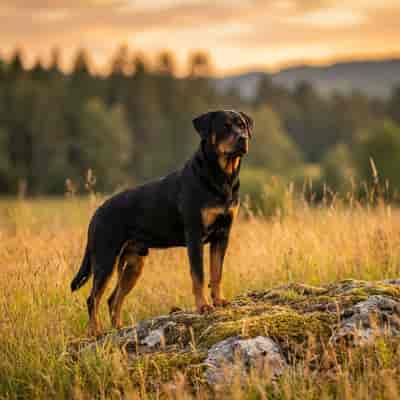
How to Groom a Rottador
Complete step-by-step grooming guide for Short coat care
Understanding Your Rottador's Short Coat
- Can still shed
- May need nail care attention
- Skin care important
Essential Grooming Tools for Short Coats
Rubber Curry Brush
EssentialRemove loose hair and massage
Bristle Brush
RecommendedDistribute natural oils
Deshedding Tool
RecommendedManage seasonal shedding
Grooming Glove
OptionalQuick daily once-overs
Nail Clippers or Grinder
EssentialRegular nail maintenance
Dog Shampoo
EssentialBathing and cleaning
Dog Conditioner
RecommendedKeep coat healthy and shiny
Ear Cleaner
EssentialPrevent ear infections
Toothbrush & Toothpaste
EssentialDental hygiene
Step-by-Step Brushing Guide
Use Rubber Curry Brush
Massage in circular motions with a rubber curry brush to loosen dead hair and stimulate skin.
Brush with Bristle Brush
Follow with a bristle brush to remove loosened hair and distribute natural oils through the coat.
Deshed if Needed
During shedding season, use a deshedding tool to remove excess undercoat if your short-coated dog has one.
Wipe Down
Finish with a damp cloth or grooming wipe to catch any remaining loose hair and add shine.
Bathing Your Rottador
Recommended frequency: Every 8-12 weeks
Pre-Bath Brush
Always brush thoroughly before bathing to remove mats and loose hair. Water will tighten mats and make them impossible to remove.
Wet Thoroughly
Use lukewarm water and wet your dog completely, starting from the neck down. Ensure water reaches the skin, especially for thick coats.
Apply Shampoo
Dilute shampoo with water if needed. Lather from neck to tail, avoiding eyes and ears. Focus on dirty areas like paws and underbelly.
Rinse Completely
Rinse until water runs clear with no suds. Leftover shampoo can cause skin irritation. For thick coats, this takes longer than you think!
Condition (Optional)
For longer or dry coats, apply conditioner and leave for 2-3 minutes before rinsing. Helps prevent tangles and keeps coat healthy.
Dry Properly
Towel dry first, then air dry or use a dog-safe blow dryer on low heat. For double coats, ensure undercoat dries completely to prevent hot spots.
Nail & Ear Care
Nail Trimming
Frequency: Every 2-4 weeks, or when you hear clicking on hard floors
Look for the quick (pink area inside the nail). For dark nails, trim small amounts at a time to avoid hitting it.
Hold paw firmly but gently. Trim nails at a 45-degree angle, cutting parallel to the floor when the dog is standing.
Cut small amounts at a time. If you see a dark dot in the center of the nail, stop - you're near the quick.
Use a nail file or grinder to smooth sharp edges. This prevents scratching and makes nails less likely to snag.
Ear Cleaning
Frequency: Weekly inspection, clean as needed (typically every 1-2 weeks)
Check ears weekly for redness, odor, discharge, or excessive wax. Healthy ears should be pink and clean.
Fill ear canal with dog-safe ear cleaner. Massage base of ear for 30 seconds to break up debris.
Let your dog shake their head to bring debris to the outer ear. This is normal and helps the cleaning process.
Use cotton balls or gauze to gently wipe visible parts of the ear. Never insert anything into the ear canal.
Watch for: Floppy-eared breeds need more frequent cleaning due to reduced air circulation. Red, swollen ears or foul odor require vet attention.
Seasonal Grooming Calendar
Spring
Shedding Season
- Increase brushing frequency to manage heavy shedding
- Consider professional deshedding treatment
- Bathe more frequently to remove loose undercoat
- Check for seasonal allergies and skin irritation
Summer
Heat & Protection
- Trim long coats for comfort (never shave double coats)
- Check and protect paw pads from hot pavement
- Bathe regularly to prevent skin issues from swimming
- Increase ear cleaning if swimming frequently
Fall
Second Shedding Season
- Another heavy shedding period - brush daily
- Build winter coat needs proper nutrition
- Deep clean coat before winter months
- Stock up on grooming supplies before winter
Winter
Moisture & Protection
- Combat dry skin with moisturizing shampoos
- Protect paw pads from ice, salt, and chemicals
- Reduce bathing frequency (every 8-10 weeks)
- Keep coat longer for natural insulation
Common Grooming Problems & Solutions
Matted Fur
Symptoms
- Clumps of tangled hair
- Hair that won't brush through
- Skin irritation underneath
Causes
- Infrequent brushing
- Bathing without pre-brushing
- Neglecting high-friction areas
Solutions
- For small mats: Work through with mat splitter and detangling spray
- For large mats: May need professional shaving to prevent skin damage
- Never cut mats with scissors - high risk of cutting skin
- Apply coconut oil and work through gently over several sessions
Prevention:Brush before bathing, focus on friction areas (armpits, behind ears, belly), use detangling spray
Excessive Shedding
Symptoms
- Hair everywhere in the house
- More hair loss than usual
- Thinning coat
Causes
- Seasonal changes
- Poor nutrition
- Stress or health issues
- Inadequate grooming
Solutions
- Increase brushing frequency to 5-7 times per week
- Use deshedding tool during peak seasons
- Add omega-3 fatty acids to diet
- Professional deshedding treatment can remove up to 80% of loose hair
- If sudden increase, consult vet to rule out health issues
Prevention:Consistent brushing routine, high-quality diet, regular bathing to remove loose hair
Dry, Flaky Skin
Symptoms
- White flakes in coat
- Itchy, scratching behavior
- Dull, brittle coat
Causes
- Low humidity
- Over-bathing
- Poor diet
- Allergies or skin conditions
Solutions
- Reduce bathing frequency (every 6-8 weeks minimum)
- Switch to moisturizing or oatmeal-based shampoo
- Add omega-3 supplement or fish oil to food
- Use humidifier in home during dry months
- Brush more frequently to distribute natural oils
Prevention:Bathe only when necessary, use quality shampoo, ensure proper nutrition with healthy fats
Smelly Coat
Symptoms
- Persistent doggy odor
- Smell returns quickly after bath
- Greasy feeling coat
Causes
- Skin infections
- Ear infections
- Dental disease
- Anal gland issues
- Trapped moisture in coat
Solutions
- Rule out medical issues - visit vet if smell persists
- Ensure thorough drying after baths (especially undercoat)
- Clean ears regularly and check for infection
- Have anal glands expressed if needed
- Use enzyme-based deodorizing shampoo
- Brush regularly to remove dead hair and promote air circulation
Prevention:Regular grooming, proper drying, address medical issues promptly, clean wrinkles/folds daily
DIY vs Professional Grooming
Recommendation for Rottadors: DIY grooming is totally feasible for their short coat with occasional professional visits.
DIY Grooming at Home
- Saves money over time
- Strengthens bond with your dog
- Convenient schedule
- Control over products used
- Initial investment in tools
- Learning curve required
- Time-consuming
- Limited skills for complex cuts
- Short-coated breeds
- Dogs with simple grooming needs
- Regular maintenance between pro visits
- Budget-conscious owners willing to learn
Professional Grooming
- Expert breed-specific cuts
- Proper equipment and technique
- Handles difficult dogs safely
- Full service (bath, trim, nails, ears, glands)
- Expensive ($50-150+ per visit)
- Requires appointment scheduling
- May be stressful for some dogs
- Less frequent means less bonding time
- High-maintenance breeds
- Dogs requiring special cuts
- Difficult or anxious dogs
- Owners without time or interest