De eerlijke waarheid
Voordat je verliefd wordt, weet wat je te wachten staat.
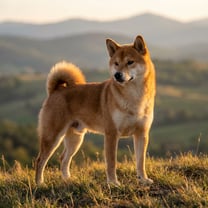
Extreme koppigheid. Als een Shiba niet wil lopen, plant hij zijn poten en weigert te bewegen. Dit is geen trainingsfouten – het is een persoonlijkheidskenmerk.
In tegenstelling tot Golden Retrievers die knuffels tolereren, hebben Shibas strikte grenzen voor lichamelijke autonomie. Ze kunnen bijten of schreeuwen als ze op een manier worden aangeraakt die ze niet bevalt – riskant voor gezinnen met peuters.
Het is zeer gebruikelijk dat Shibas agressie ontwikkelen jegens honden van hetzelfde geslacht, doorgaans opkomend op 18-24 maanden. Hondenparken worden onmogelijk.
Je kunt een Shiba vrijwel NOOIT vertrouwen losgelaten. Hun jachtdrift en onafhankelijkheid overheersen training. Als ze een eekhoorn zien of besluiten te verkennen, zijn ze weg.
Gezondheidsoverzicht
Bekijk volledige gezondheidsgids →Eigendomskosten
Bekijk volledig overzicht →Inclusief voer, verzekering, dierenarts, verzorging en benodigdheden
Woonsituatie
Met andere huisdieren
Klimaat & Seizoensgebonden verzorging
Gebouwd voor sneeuw – geen jas nodig. Dubbele vacht houdt in de zomer warmte vast – beperk beweging bij >25°C. Scheer een Shiba NOOIT – dubbele vacht isoleert ook van warmte, scheren verpest de vachttextuur.
Ras oorsprong
Leven met een Shiba Inu
- Hij bijt als ik zijn speeltje probeer af te pakken – voedsel- en bezittingsbewaking
- Hij valt andere honden aan – geslachtsspecifieke hondenagressie
- Velen gekocht vanwege 'meme'-factor zonder te beseffen dat ze een primitieve jachthond kopen
Bewegingsmenu
60-90 min/dayLevensfasen
Hoewel ze uitzonderlijk schoon zijn en vaak zindelijk zonder enig ongeluk tegen 8 weken, is de 'landhaai'-fase intensief – ze bijten hard en frequent tijdens het spelen. Hun intolerantie voor aanraking maakt dierenartsenbezoeken en nagelknippen een strijd van dag één als ze niet gedesensitiseerd worden.
Piekenergieleeftijd: 1-3 years
Beste jaren - energie stabiliseert maar blijft actief
Langlevend ras. VetCompass UK-gegevens tonen een mediane levensduur van 14,6 jaar – aanzienlijk hoger dan gemiddeld voor honden.
Eerste jaar realiteitscheck
Reizen & Avontuur
Kleine wijfjes passen mogelijk in de cabine (<8 kg), grotere mannetjes misschien niet. Over het algemeen rustige reizigers. Bench in de auto is veiliger om te voorkomen dat ze de bestuurder storen.
Veiligheid & Afscheiding
Deur-dashers – kunnen door kleine openingen glippen. Vertrouw hen NOOIT los van de lijn in onafgerasterde gebieden. 'Ruilen voor iets beters' is de enige veilige manier om items te verwijderen vanwege bezittingsbewaking.
Fokkerij informatie
Bijzondere vaardigheden
Trainingsgids
- Maak het de moeite waard – ze werken alleen voor waardevolle beloningen
- Dwing ze nooit in enge situaties – creëert permanente reactiviteit
- Begin dag één met desensitisatie voor dierenartsenbezoeken en nagels knippen
- Accepteer dat terugroepen nooit betrouwbaar zal zijn zonder riem
- Dwangmethoden veroorzaken uitschakeling of vergelding
- Vereisen hoogwaardige beloningen (kaas, gevriesdroogde lever) – werken niet voor lof alleen
- Socialisatie moet continu en positief zijn – flooding creëert reactiviteit
Community inzichten
Nog geen Shiba Inu inzichten
We verzamelen gegevens van echte Shiba Inu-baasjes. Wees de eerste om je ervaring te delen!
Registreer jouw Shiba InuUitgelichte Shiba Inus
Wees de eerste Shiba Inu-creator!
Nog geen Shiba Inus geregistreerd. Word lid van Dogfluence en presenteer je viervoeter aan merken.
Begin met creërenVerzorgingstips voor Shiba Inus
Zorg voor 60-90 minuten dagelijkse gecombineerde beweging (45-60 min lichamelijk) plus 20 minuten mentale stimulatie via neus-werk, puzzelvoeders of 'verscheuren'-verrijking.
Vertrouw ze nooit los van de lijn in onafgerasterde gebieden – hun jachtdrift en onafhankelijkheid overheersen training. Nul terugroepbetrouwbaarheid voor 99% van het ras.
Begin onmiddellijk met nagel-desensitisatie – Shibas zijn berucht om hun hekel aan het aanraken van poten en zullen de 'Shiba-schreeuw' laten klinken tijdens verzorging.
Ras kenmerken
Shiba Inu-vergelijkingen
Meer Shiba Inu bronnen
Shiba Inu kosten
Bereken de echte eigendomskosten
Shiba Inu gezondheid
Veelvoorkomende gezondheidsproblemen & preventie
Shiba Inu verzorging
Vachtverzorging & groomingtips
Shiba Inu voeding
Voeding & dieetaanbevelingen
Shiba Inu temperament
Persoonlijkheid & gedragseigenschappen
Shiba Inu naamideeën
Vind de perfecte naam voor jouw Shiba Inu
Shiba Inu hashtags
Beste Instagram hashtags voor Shiba Inu posts
Niet de juiste keuze?

Veelgestelde vragen
Word Shiba Inu creator
Houd jij van jouw Shiba Inu? Word lid van duizenden dogfluencers en word gesponsord door toonaangevende huisdierenmerken!
Registreer mijn kanaal