Bloodhound vs Great Dane
A side-by-side comparison to help you find the right breed for your lifestyle.
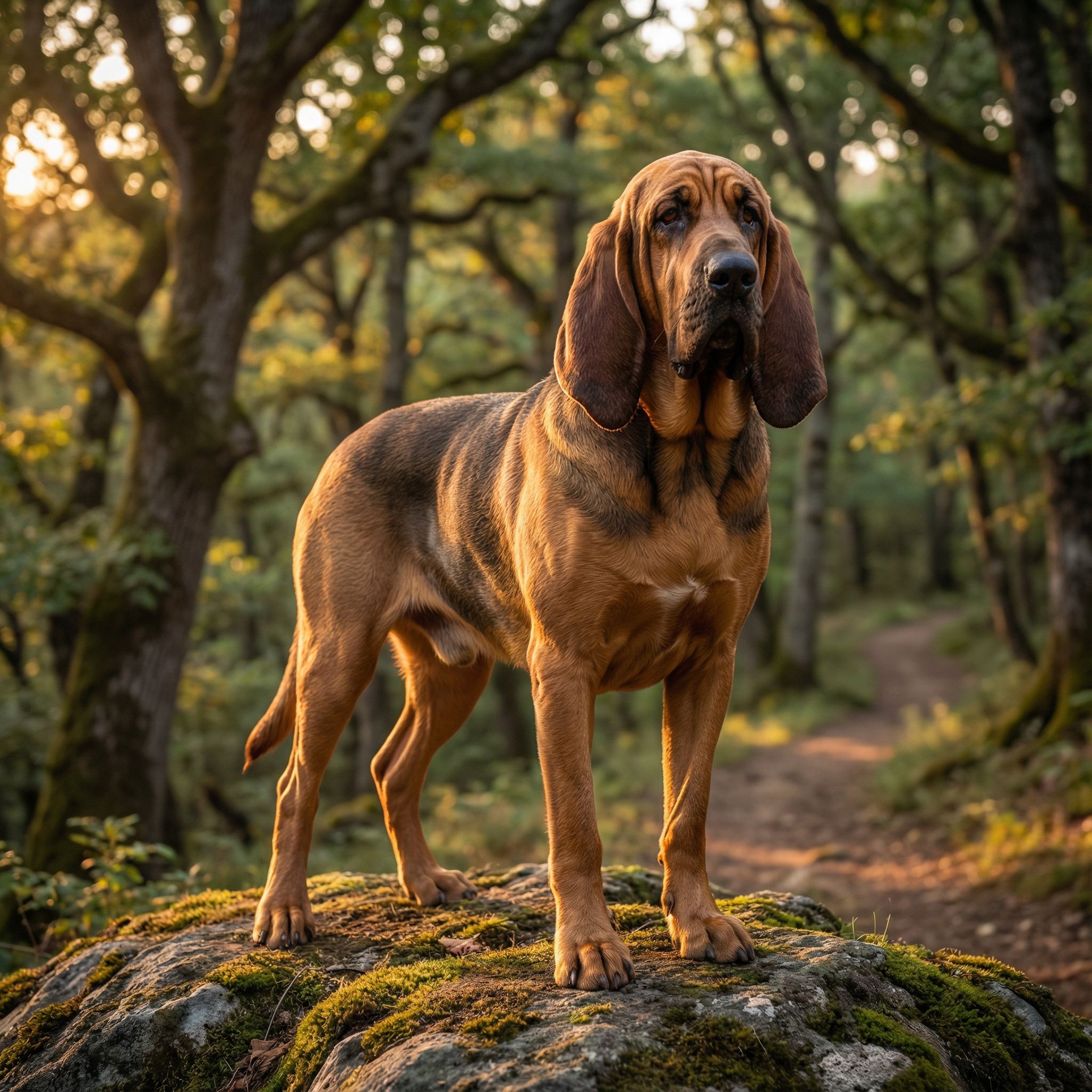
Bloodhound
The Bloodhound is a large scent hound renowned for its extraordinary sense of smell and tracking abilities, often used in search and rescue operations. With its distinctive droopy ears and wrinkled skin, this gentle and affectionate breed is also known for its friendly and patient demeanor.
Extra Large
High
8-12 years yrs
N/A
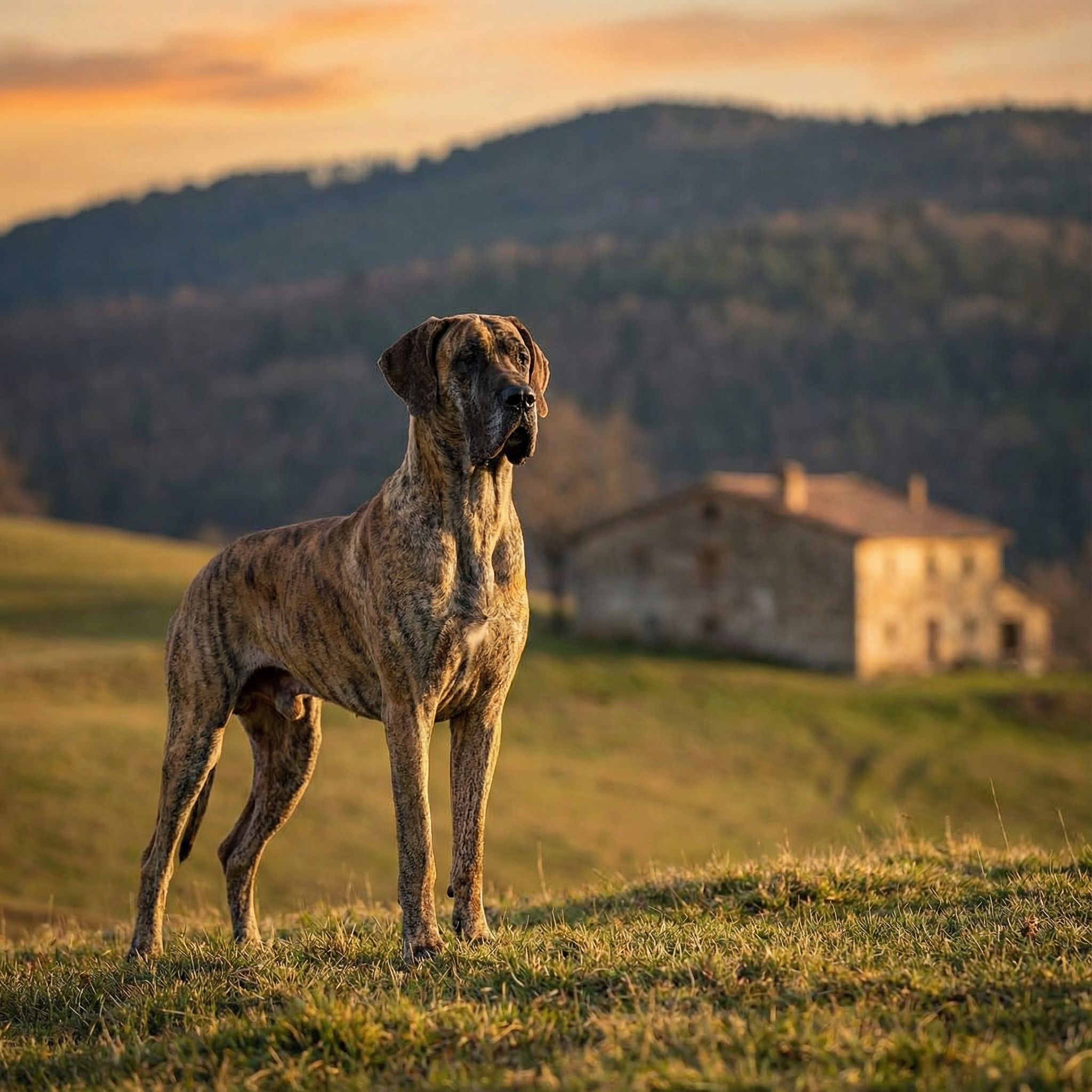
Great Dane
The Great Dane is a giant dog breed known for its imposing stature and gentle demeanor, often referred to as a \\\"gentle giant.\\\" Originating from Germany, these dogs are admired for their friendly nature, elegance, and loyal companionship.
Extra Large
High
7-10 years yrs
N/A
Quick Comparison
| Trait | Bloodhound | Great Dane |
|---|---|---|
| Energy | ||
| Trainability | ||
| Grooming Needs | ||
| Family Friendly | ||
| Independence |
Key Characteristics
| Good with Kids | ||
| Good with Dogs | ||
| Good with Cats | ||
| Hypoallergenic | ||
| Apartment Friendly | ||
| First-Time Owner OK |
| Detail | Bloodhound | Great Dane |
|---|---|---|
| Size | Extra Large | Extra Large |
| Energy Level | High | High |
| Grooming | High | Low |
| Trainability | challenging | Moderate |
| Barking Level | High | Medium |
| Shedding Level | High | High |
| Housing | Yard | Apartment |
Owner Fit & Decision Guide
Owner Match
| Trait | Bloodhound | Great Dane |
|---|---|---|
| Experience Level | Experienced | Beginner |
| First-Time Owner | ||
| Ideal Owner | Active individual or family who can provide adequate exercise and training for a Bloodhound. | Active individual or family who can provide adequate exercise and training for a Great Dane. |
Bloodhound Dealbreakers
- Cannot meet 60-90 min daily exercise
- Cannot tolerate heavy shedding
Great Dane Dealbreakers
- Cannot meet 60-90 min daily exercise
- Cannot tolerate heavy shedding
Surrender Risk
| Factor | Bloodhound | Great Dane |
|---|---|---|
| Risk Level | Medium | Medium |
| Primary Reasons | Underestimated exercise needs, Behavioral challenges, Cost of care | Underestimated exercise needs, Behavioral challenges, Cost of care |
Temperament & Personality
Behavior Comparison
| Trait | Bloodhound | Great Dane |
|---|---|---|
| Prey Drive | ||
| Watchdog Ability | ||
| Stranger Friendly | ||
| Drool Level | ||
| Wanderlust |
Vocalization
| Trait | Bloodhound | Great Dane |
|---|---|---|
| Barking Level | High | Medium |
| Howling Tendency | ||
| Whining Tendency | Low | Low |
| Separation Vocalization |
Safety & Reliability
| Trait | Bloodhound | Great Dane |
|---|---|---|
| Escape Artist | ||
| Dog Park Suitable | ||
| Off-Leash Reliable | ||
| Small Animal Safe | ||
| Leash Reactivity | ||
| Resource Guarding Risk | Low | Low |
Bloodhound Social Traits
Moderate
Generally friendly
Great Dane Social Traits
Low
Generally friendly
Training
Bloodhound
- ** Positive reinforcement is the *only* option. Harsh methods cause them to shut down or become defensive.
Great Dane
- **: Great Danes respond best to **positive reinforcement**. They are sensitive dogs; harsh corrections can cause them to shut down or become fearful [cite: 13].
Bloodhound Considerations
When a Bloodhound catches a scent, their ears literally close (the heavy flaps block the ear canal) and their brain filters out all auditory input. They are not ignoring you out of malice; they genuinely cannot process your commands while tracking. This makes .
They score near the bottom of obedience intelligence rankings not because they are stupid, but because they are bred to work independently of human direction. They solve problems (finding trails) without help, which translates to opening fridges, doors, and gates in the home.
The combination of (slingers that reach ceilings), (caused by yeast in skin folds and oily coats), and makes them unsuitable for fastidious housekeepers or those with sensory sensitivities.
Great Dane Considerations
Great Danes are profoundly social animals, often described as "Velcro dogs." They do not tolerate isolation well. Left alone for long periods, their anxiety can manifest in destructive chewing or digging. Given their size, a panicked Dane can destroy a door frame or a sofa in minutes.
While generally calm indoors, young Danes experience bursts of frenetic energy known as "zoomies." In a small space, a 100lb puppy moving at high speed is a physical hazard to furniture, children, and themselves.
Between 6 and 18 months, Danes are essentially giant puppies. They may not realize their own strength, leading to accidental knocking over of children or elderly family members. Leash manners are critical; a pulling Dane cannot be physically overpowered by most owners.
Multi-Species Compatibility
| Species | Bloodhound | Great Dane |
|---|---|---|
| With Cats | Generally safe with proper introduction | Generally safe with proper introduction |
| Small Mammals | Supervision required | Supervision required |
| Birds / Reptiles | Caution advised | Caution advised |
Advanced Behavior
| Trait | Bloodhound | Great Dane |
|---|---|---|
| Predatory Sequence Risk | Medium | Medium |
| Biddability | Low | Low |
| Noise Sensitivity | Low | Low |
| Territorial Barking | ||
| Same-Sex Aggression Onset | 18 months | 18 months |
First Year & Life Stages
First Year Challenges
| Challenge | Bloodhound | Great Dane |
|---|---|---|
| Puppy Difficulty | ||
| Destructive Phase | 6-18 | 6-18 |
| House Training | Challenging | Challenging |
| Crate Training | Medium | Medium |
| Adolescent Regression |
Bloodhound: Bloodhound puppies require consistent training and patience.
Great Dane: Great Dane puppies require consistent training and patience.
Life Stages Timeline
| Stage | Bloodhound | Great Dane |
|---|---|---|
| Puppy Phase | 12 months | 12 months |
| Adolescence | 6-18 | 6-18 |
| Adult Years | 2-8 | 2-8 |
| Senior Onset | ~8 years | ~8 years |
| Peak Energy Age | 1-3 years | 1-3 years |
Size & Physical Characteristics
Physical Stats
| Measurement | Bloodhound | Great Dane |
|---|---|---|
| Height | N/A | N/A |
| Weight | N/A | N/A |
| Size Category | Extra Large | Extra Large |
| Lifespan | 8-12 years years | 7-10 years years |
| Litter Size | 4-8 | 4-8 |
Bloodhound Coat
Great Dane Coat
Lineage & Origin
| Detail | Bloodhound | Great Dane |
|---|---|---|
| Original Purpose | heavier wrinkle, longer ears, and massive bone | The Great Dane, or *Deutsche Dogge*, was developed in Germany (not Denmark) as a boar hound |
| Origin | eye and skin issues due to exaggeration | N/A |
Breeding Details
| Detail | Bloodhound | Great Dane |
|---|---|---|
| C-Section Rate | Varies | Varies |
| Whelping Difficulty | Medium | Medium |
| Puppy Mortality Rate | Low | Low |
Physical Risks
| Risk | Bloodhound | Great Dane |
|---|---|---|
| Bloat / GDV Risk | Low | Low |
| Slippery Floor Risk | Low | Low |
| Min Fence Height | 1.5m | 1.5m |
| Dig / Escape Risk | Low | Low |
Health & Common Conditions
Bloodhound Health Issues
Great Dane Health Issues
Bloodhound Suggested Tests
- Degenerative Myelopathy (DM) testing
- Prophylactic gastropexy
Great Dane Suggested Tests
- Prophylactic gastropexy
- Regular echocardiogram screening
- Hip evaluations
- Eye evaluations
- Thyroid evaluations
- Cardiac evaluations
Health Risk Overview
| Risk Factor | Bloodhound | Great Dane |
|---|---|---|
| Cancer Risk | Medium | Medium |
| Cardiac Risk | Low | Low |
| Neurological Risk | Low | Low |
| CCL/ACL Tear Risk | Low | Low |
| Vet Burden Tier | Medium | Medium |
Sensitivities & Allergies
| Sensitivity | Bloodhound | Great Dane |
|---|---|---|
| Skin Allergies | ||
| Environmental Allergies | ||
| Stomach Sensitivity | Low | Low |
| Food Allergies |
Health Maintenance
| Care Item | Bloodhound | Great Dane |
|---|---|---|
| Nail Growth Rate | Normal | Normal |
| Eye Care Needs | Low | Low |
| Anal Gland Issues | Occasional | Occasional |
Senior Care & Aging
Bloodhound Senior Care
Common Senior Issues
- Arthritis
- Vision decline
- Cognitive changes
Senior care varies by individual health.
Great Dane Senior Care
Common Senior Issues
- Arthritis
- Vision decline
- Cognitive changes
Senior care varies by individual health.
Grooming & Care
Bloodhound
high maintenanceGreat Dane
low maintenanceLifestyle Compatibility
Bloodhound Daily Life
Great Dane Daily Life
Housing & Legal Restrictions
| Restriction | Bloodhound | Great Dane |
|---|---|---|
| BSL Restricted | ||
| Common Rental Ban | ||
| Insurance Blacklist | ||
| Weight Category | Under 50lbs | Under 50lbs |
Climate Tolerance
| Climate | Bloodhound | Great Dane |
|---|---|---|
| Heat Tolerance | ||
| Cold Tolerance | ||
| Water Affinity | Medium | Medium |
Travel Compatibility
| Activity | Bloodhound | Great Dane |
|---|---|---|
| Car Travel | Good | Good |
| Camping | ||
| Beach Friendly | ||
| Hiking Rating | ||
| Cabin Flight Eligible | ||
| Hotel Friendly Size |
Niche Suitability
| Role | Bloodhound | Great Dane |
|---|---|---|
| Service Dog | Low | Low |
| Therapy Dog | Low | Low |
| Deep Pressure Therapy | ||
| Canicross / Bikejoring | ||
| Apartment Adaptable | ||
| Tactile / Sensory Friendly | ||
| Livestock Guardian | ||
| Medical Alert | Low | Low |
Costs & Expenses
Upfront Costs
| Cost | Bloodhound | Great Dane |
|---|---|---|
| Purchase Price | N/A | N/A |
| Initial Cost Range | $1,000–$2,500 | $1,000–$2,500 |
| Cost Tier |
Ongoing Costs
| Cost | Bloodhound | Great Dane |
|---|---|---|
| Monthly Range | $180–$300 | $130–$260 |
| Yearly Range | $2,160–$3,600 | $1,560–$3,120 |
| Food / Month | $100-150 | $100-200 |
| Insurance / Month | $80-150 | N/A |
| Grooming / Session | N/A | N/A |
| Vet Routine / Year | $50-80 | N/A |
| Monthly Cost Tier |
Bloodhound Lifetime Cost
N/A
Great Dane Lifetime Cost
N/A
Quirks & Fun Facts
Daily Quirks
| Quirk | Bloodhound | Great Dane |
|---|---|---|
| Snoring | ||
| Flatulence | Occasional | Occasional |
| Slobber Level | Low | Low |
| Smell When Wet | Moderate | Moderate |
| Zoomies Frequency | Occasional | Occasional |
| Counter Surfing | ||
| Digging Tendency | Low | Low |
Frequently Asked Questions
Turn your dog into a brand deal.
Pet brands are looking for authentic creators — not celebrities. If you own a Bloodhound or Great Dane, you can get free products, gear, and exclusive perks just for sharing your dog's life on Instagram.
No followers minimum · Free to join
Based on comprehensive breed research data.