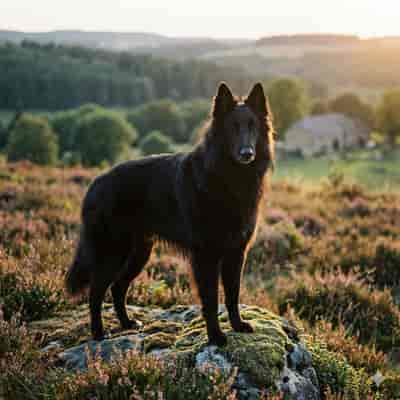

Is a Belgian Shepherd Right for You?
Personality traits, family compatibility, and lifestyle match - everything you need to decide.
Is a Belgian Shepherd Right for You?
Take our 1-minute compatibility quiz based on real owner data
The Belgian Shepherd Personality
Personality traits reported by 2 Belgian Shepherd owners:
1 owners report this trait
1 owners report this trait
1 owners report this trait
1 owners report this trait
1 owners report this trait
1 owners report this trait
1 owners report this trait
1 owners report this trait
1 owners report this trait
Know Before You Commit
Important behavioral traits that potential owners should understand:
La variedad Malinois está genéticamente programada para morder. Esto no es agresión en el sentido humano, sino una interacción de alto impulso con el mundo. Comunican, juegan y trabajan con sus bocas. Sin una salida (como una manga de mordida o un juguete de tira), este impulso se dirigirá a brazos, piernas y niños.
Estos perros están criados para notar cambios en su entorno. En un suburbio moderno, puede manifestarse como ladridos reactivos a cada camión de reparto, vecino o hoja que pasa. Si están subestimulados, desarrollan comportamientos obsesivo-compulsivos (dar vueltas, perseguir la cola, automutilación).
A diferencia de las razas que dan la bienvenida a extraños, un Belgian Shepherd es naturalmente desconfiado. Sin socialización extensa (100+ personas en los primeros 100 días), esta desconfianza se convierte en agresión por miedo. Son un riesgo de responsabilidad para hogares con invitados frecuentes o citas de juego con niños.
El Belgian Malinois aparece frecuentemente en listas negras de seguros junto a Pit Bulls y Rottweilers. Los propietarios pueden enfrentarse a aumentos de prima o cancelaciones de pólizas. Casi universalmente prohibido en listas de alquiler de 'razas agresivas'.
Family Compatibility
How Belgian Shepherds typically interact with different family members and pets:
Children (0-5 years)
Belgian Shepherds may need careful introduction and supervision with young children
Tip: Teach children to be gentle, never disturb during eating or sleeping
Children (5-12 years)
Can be good with older children who understand how to interact with dogs
Tip: Great age to involve kids in feeding, grooming, and training
Teenagers
Belgian Shepherds typically do well with teenagers who can help with exercise and care
Tip: Teens can take on walking and training responsibilities
Other Dogs
Most Belgian Shepherds can live harmoniously with other dogs when properly introduced
Tip: Gradual introductions on neutral territory work best
Cats
Can learn to live with cats, especially if raised together
Tip: Early socialization with cats increases success
Small Pets (rabbits, hamsters)
Caution advised - most dogs have some prey instinct toward small animals
Tip: Always keep small pets securely housed when dog is present
Living Situation Compatibility
Apartment
Belgian Shepherds may find apartment living challenging
- Daily walks are essential
- Generally quiet indoors
- Mental stimulation important
House with Yard
Ideal setup for most Belgian Shepherds - space to play and explore
- Secure fencing required
- Supervised outdoor time recommended
- Still needs walks for enrichment
Rural/Farm
Belgian Shepherds enjoy rural settings
- Good recall training essential
- Watch for wildlife
- Plenty of room to exercise
First-Time Owner
Belgian Shepherds may be better suited for experienced owners
- Consider professional training
- Research breed thoroughly
- Be prepared for challenges
Work From Home
Belgian Shepherds love having their people around all day
- Set boundaries for work time
- Schedule regular breaks for play
- Create a comfortable space for them
Away 8+ Hours
Belgian Shepherds can handle being alone with proper setup
- Gradual training to be alone
- Enrichment toys
- Morning exercise before leaving
Training Your Belgian Shepherd
Moderately Trainable
Responds well to consistent training with patience
Training Tips:
- Be patient and consistent
- Use high-value treats
- Keep training sessions varied
- Consider professional classes
Common Challenges:
- May need more repetition
- Can be occasionally stubborn
Pro tip: Consider professional training classes, especially for first-time Belgian Shepherd owners. Group classes also provide valuable socialization.
Behavioral Patterns to Know
Some behaviors reported by Belgian Shepherd owners that may need attention:
Excessive Barking
Tendency to vocalize - may alert bark or bark for attention
How to manage:
- Train "quiet" command early
- Provide mental stimulation
Hyperactive
A behavioral pattern observed in some dogs
How to manage:
- Consistent training helps
- Patience is key
Destructive
May chew or destroy items when bored or anxious
How to manage:
- Provide appropriate chew toys
- Crate train for alone time
Jumping
Jumps up on people when greeting
How to manage:
- Ignore jumping behavior
- Reward four feet on floor
Remember: These percentages show how many owners report this behavior, not severity. Most can be managed with proper training.
Exercise Needs
Needs 90-120 minutes of daily exercise
Recommended Activities:
- Daily walks (vary routes for mental stimulation)
- Fetch and interactive play
- Puzzle toys and training sessions
Mental Stimulation
Belgian Shepherds are intelligent dogs that need mental challenges to stay happy and prevent boredom-related behaviors.
Ideas:
- Puzzle feeders and treat-dispensing toys
- Short training sessions (10-15 min)
- Nose work and scent games
- New environments and experiences