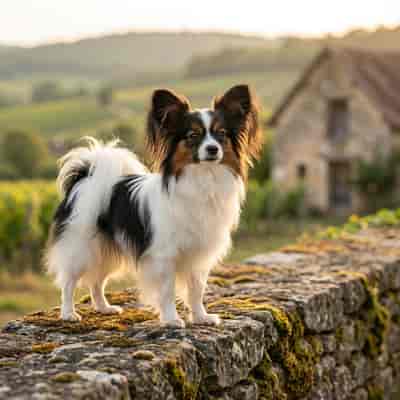

Is a Papillon Right for You?
Personality traits, family compatibility, and lifestyle match - everything you need to decide.
Is a Papillon Right for You?
Take our 1-minute compatibility quiz based on real owner data
The Papillon Personality
Personality traits reported by 7 Papillon owners:
6 owners report this trait
5 owners report this trait
4 owners report this trait
3 owners report this trait
3 owners report this trait
2 owners report this trait
2 owners report this trait
2 owners report this trait
2 owners report this trait
Know Before You Commit
Important behavioral traits that potential owners should understand:
Los Papillons poseen una audacia que excede desproporcionadamente su tamaño. Desafiarán a perros mucho más grandes, lo que puede llevar a resultados trágicos si no se les protege. Esta es una confianza territorial genuina, no un 'ladrido molesto'.
Esta es una raza 'velcro' criada durante siglos como perro faldero para la nobleza. No toleran bien el aislamiento. Los propietarios que trabajan 8+ horas fuera a menudo descubren que su Papillon desarrolla comportamientos de angustia severa.
Aunque no son ladradores sin sentido, son vigilantes perros guardianes. Anunciarán cada camión de reparto, timbre y transeúnte. En apartamentos con paredes delgadas, esto puede convertirse en un problema con el contrato de arrendamiento.
A diferencia de los robustos Golden Retrievers, los Papillons no pueden ser manejados con brusquedad. Son rápidos para morder si se les agarra de forma ruda, lo que los convierte en una mala elección para hogares con niños pequeños que carecen de control de impulsos.
Family Compatibility
How Papillons typically interact with different family members and pets:
Children (0-5 years)
Papillons may need careful introduction and supervision with young children
Tip: Teach children to be gentle, never disturb during eating or sleeping
Children (5-12 years)
Can be good with older children who understand how to interact with dogs
Tip: Great age to involve kids in feeding, grooming, and training
Teenagers
Papillons typically do well with teenagers who can help with exercise and care
Tip: Teens can take on walking and training responsibilities
Other Dogs
Most Papillons can live harmoniously with other dogs when properly introduced
Tip: Gradual introductions on neutral territory work best
Cats
Can learn to live with cats, especially if raised together
Tip: Early socialization with cats increases success
Small Pets (rabbits, hamsters)
Caution advised - most dogs have some prey instinct toward small animals
Tip: Always keep small pets securely housed when dog is present
Living Situation Compatibility
Apartment
Papillons can adapt well to apartment living with adequate exercise
- Daily walks are essential
- Generally quiet indoors
- Mental stimulation important
House with Yard
Ideal setup for most Papillons - space to play and explore
- Secure fencing required
- Supervised outdoor time recommended
- Still needs walks for enrichment
Rural/Farm
Papillons enjoy rural settings
- Good recall training essential
- Watch for wildlife
- Plenty of room to exercise
First-Time Owner
Papillons are excellent for first-time owners - eager to please and trainable
- Basic obedience classes recommended
- Plenty of patience
- Consistent routine
Work From Home
Papillons love having their people around all day
- Set boundaries for work time
- Schedule regular breaks for play
- Create a comfortable space for them
Away 8+ Hours
Papillons can handle being alone with proper setup
- Gradual training to be alone
- Enrichment toys
- Morning exercise before leaving
Training Your Papillon
Highly Trainable
Quick learner, eager to please, excellent for first-time owners
Training Tips:
- Use positive reinforcement
- Start training early
- Keep sessions short and fun
- Consistent commands work best
Behavioral Patterns to Know
Some behaviors reported by Papillon owners that may need attention:
Excessive Barking
Tendency to vocalize - may alert bark or bark for attention
How to manage:
- Train "quiet" command early
- Provide mental stimulation
Hyperactive
A behavioral pattern observed in some dogs
How to manage:
- Consistent training helps
- Patience is key
Remember: These percentages show how many owners report this behavior, not severity. Most can be managed with proper training.
Exercise Needs
Needs 50-65 minutes of daily exercise
Recommended Activities:
- Daily walks (vary routes for mental stimulation)
- Fetch and interactive play
- Puzzle toys and training sessions
Mental Stimulation
Papillons are intelligent dogs that need mental challenges to stay happy and prevent boredom-related behaviors.
Ideas:
- Puzzle feeders and treat-dispensing toys
- Short training sessions (10-15 min)
- Nose work and scent games
- New environments and experiences