
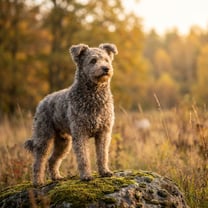
Cómo cuidar el pelaje de un Pumi
Guía completa paso a paso para cuidar un pelaje corto
Entender el pelaje corto de tu Pumi
- Puede seguir soltando pelo
- Puede necesitar atencion en unas
- El cuidado de la piel es importante
Herramientas esenciales para pelaje corto
Cepillo de curry de goma
EsencialQuitar el pelo suelto y masajear.
cepillo de cerdas
RecomendadoDistribuir aceites naturales.
herramienta de deshedding
RecomendadoManejar la muda estacional
guante de aseo
OpcionalRepasos diarios rápidos
Cortaúñas o molinillo
EsencialMantenimiento regular de las uñas
champú para perros
EsencialBaño y limpieza
acondicionador para perros
RecomendadoMantenga el pelaje sano y brillante.
Limpiador de oídos
EsencialPrevenir infecciones de oído
Cepillo de dientes y pasta de dientes
EsencialHigiene dental
Guía de cepillado paso a paso
Utilice un cepillo de curry de goma
Masajee con movimientos circulares con un cepillo de goma al curry para aflojar el cabello muerto y estimular la piel.
Cepillar con cepillo de cerdas
Continúe con un cepillo de cerdas para eliminar el cabello suelto y distribuir los aceites naturales por el pelaje.
Deshed si es necesario
Durante la temporada de muda, use una herramienta para quitar el exceso de subpelo si su perro de pelaje corto tiene uno.
Limpiar
Termine con un paño húmedo o una toallita de aseo para atrapar el cabello suelto restante y agregar brillo.
Bañar a tu Pumi
Frecuencia recomendada: Cada 8-12 semanas
Cepillo previo al baño
Cepilla siempre bien antes del baño para eliminar las esteras y el pelo suelto. El agua apretará las esteras y hará que sea imposible quitarlas.
Mojar bien
Utilice agua tibia y moje a su perro por completo, comenzando desde el cuello hacia abajo. Asegúrese de que el agua llegue a la piel, especialmente en el caso de abrigos gruesos.
Aplicar champú
Diluya el champú con agua si es necesario. Enjabonar desde el cuello hasta la cola, evitando ojos y orejas. Concéntrese en las áreas sucias como las patas y el vientre.
Enjuague completamente
Enjuague hasta que el agua salga clara y sin espuma. El champú sobrante puede provocar irritación de la piel. Para abrigos gruesos, ¡esto lleva más tiempo de lo que crees!
Condición si es necesario
Para capas más largas o secas, aplique acondicionador y déjelo durante 2-3 minutos antes de enjuagar. Ayuda a prevenir enredos y mantiene el pelaje saludable.
Secar adecuadamente
Primero seque con una toalla, luego seque al aire o use un secador de pelo apto para perros a fuego lento. Para capas dobles, asegúrese de que la capa base se seque por completo para evitar puntos calientes.
Cuidado de uñas y orejas
Corte de uñas
Frecuencia: Cada 2-4 semanas, o cuando oigas las unas golpear el suelo duro
Busque el área rosada y rápida dentro de la uña. Para uñas oscuras, recorta pequeñas cantidades a la vez para evitar golpearlas.
Sostenga la pata con firmeza pero con suavidad. Recorta las uñas en un ángulo de 45 grados, cortando paralelas al suelo cuando el perro esté de pie.
Corta pequeñas cantidades a la vez. Si ves un punto oscuro en el centro de la uña, detente porque estás cerca de la herida.
Utilice una lima de uñas o una amoladora para alisar los bordes afilados. Esto evita que se rasquen y hace que sea menos probable que las uñas se enganchen.
Limpieza de orejas
Frecuencia: Revision semanal, limpiar cuando sea necesario (normalmente cada 1-2 semanas)
Revise los oídos semanalmente para detectar enrojecimiento, olor, secreción o exceso de cera. Las orejas sanas deben estar rosadas y limpias.
Llene el canal auditivo con un limpiador de oídos apto para perros. Masajee la base de la oreja durante 30 segundos para eliminar los residuos.
Deje que su perro sacuda la cabeza para llevar los desechos al oído externo. Esto es normal y ayuda al proceso de limpieza.
Utilice bolas de algodón o gasa para limpiar suavemente las partes visibles de la oreja. Nunca inserte nada en el canal auditivo.
Esté atento a: Las razas de orejas caídas necesitan una limpieza más frecuente debido a la reducción de la circulación de aire. Las orejas enrojecidas, hinchadas o con mal olor requieren atención veterinaria.
Calendario de aseo estacional
Primavera
temporada de muda
- Aumente la frecuencia del cepillado para controlar la muda abundante.
- Considere un tratamiento depilatorio profesional
- Báñese con más frecuencia para eliminar la capa interna suelta.
- Compruebe si hay alergias estacionales e irritación de la piel.
Verano
Calor y protección
- Recorte los abrigos largos para mayor comodidad, pero nunca afeite los abrigos dobles.
- Compruebe y proteja las almohadillas de las patas del pavimento caliente.
- Báñese regularmente para evitar problemas de la piel al nadar.
- Aumente la limpieza de oídos si nada con frecuencia
Otoño
Segunda temporada de muda
- Otro período de muda intensa: cepillarse a diario
- Construir abrigo de invierno con una nutrición adecuada.
- Abrigo limpio en profundidad antes de los meses de invierno.
- Abastecerse de artículos de aseo personal antes del invierno
Invierno
Humedad y protección
- Combate la piel seca con champús hidratantes
- Protege las almohadillas de las patas del hielo, la sal y los productos químicos.
- Reducir la frecuencia del baño a cada 8-10 semanas.
- Mantenga el abrigo por más tiempo para un aislamiento natural.
Problemas de aseo comunes y soluciones
piel enmarañada
Síntomas
- Mechones de pelo enredado
- Cabello que no se cepilla
- Irritación de la piel debajo
Causas
- Cepillado poco frecuente
- Bañarse sin cepillado previo
- Descuidar las áreas de alta fricción
Soluciones
- Para tapetes pequeños: trabaje con un separador de tapetes y spray desenredante.
- Para tapetes grandes: puede ser necesario un afeitado profesional para evitar daños en la piel.
- Nunca cortes los tapetes con tijeras porque existe un alto riesgo de cortar la piel.
- Aplique aceite de coco y trabaje suavemente durante varias sesiones.
Prevención:Cepillarse antes del baño, centrarse en las zonas de fricción como axilas, detrás de las orejas y vientre, y utilizar spray desenredante.
Derramamiento excesivo
Síntomas
- Pelo por todas partes de la casa
- Más caída de cabello de lo habitual
- abrigo adelgazante
Causas
- cambios estacionales
- mala nutrición
- Estrés o problemas de salud.
- Aseo inadecuado
Soluciones
- Aumentar la frecuencia del cepillado a 5-7 veces por semana.
- Utilice una herramienta para quitar pelusa durante las temporadas altas
- Añadir ácidos grasos omega-3 a la dieta.
- El tratamiento deshedding profesional puede eliminar hasta el 80% del cabello suelto.
- Si la muda aumenta repentinamente, consulte a un veterinario para descartar problemas de salud.
Prevención:Rutina de cepillado constante, dieta de alta calidad y baño regular para eliminar el pelo suelto.
Piel seca y escamosa
Síntomas
- Copos blancos en abrigo.
- Comportamiento de picazón y rascado.
- Pelaje opaco y quebradizo
Causas
- Baja humedad
- Bañarse demasiado
- mala alimentación
- Alergias o afecciones de la piel.
Soluciones
- Reducir la frecuencia del baño a cada 6-8 semanas como mínimo.
- Cambie a un champú humectante o a base de avena
- Agregue un suplemento de omega-3 o aceite de pescado a los alimentos.
- Utilice un humidificador en casa durante los meses secos.
- Cepille con más frecuencia para distribuir los aceites naturales.
Prevención:Báñese sólo cuando sea necesario, use champú de calidad y asegure una nutrición adecuada con grasas saludables.
Abrigo maloliente
Síntomas
- Olor persistente a perro
- El olfato vuelve rápidamente después del baño.
- Abrigo con sensación de grasa
Causas
- Infecciones de la piel
- Infecciones de oído
- enfermedad dental
- Problemas con las glándulas anales
- Humedad atrapada en el abrigo.
Soluciones
- Descartar problemas médicos: visitar al veterinario si el olor persiste
- Asegúrese de que se seque bien después de los baños, especialmente la capa base.
- Limpiar los oídos con regularidad y comprobar si hay infección.
- Exprimir las glándulas anales si es necesario.
- Utilice champú desodorizante a base de enzimas
- Cepillarse regularmente para eliminar el pelo muerto y promover la circulación del aire.
Prevención:Aseo regular, secado adecuado, atención inmediata para problemas médicos y limpieza diaria de arrugas o pliegues.
Aseo casero vs profesional
Recomendación para Pumi: Un enfoque combinado funciona bien: mantenimiento de bricolaje entre sesiones de cuidado profesional.
Aseo casero en casa
- Ahorra dinero con el tiempo
- Fortalece el vínculo con tu perro
- Horario conveniente
- Control sobre los productos utilizados.
- Inversión inicial en herramientas.
- Curva de aprendizaje requerida
- Consume mucho tiempo
- Habilidades limitadas para cortes complejos
- Razas de pelo corto
- Perros con necesidades de aseo sencillas
- Mantenimiento regular entre visitas profesionales.
- Propietarios preocupados por su presupuesto y dispuestos a aprender
Aseo profesional
- Cortes expertos específicos de la raza
- Equipo y técnica adecuados.
- Maneja perros difíciles de forma segura
- Servicio completo: baño, corte, uñas, orejas y glándulas.
- Caro: $50-150+ por visita
- Requiere programación de citas
- Puede ser estresante para algunos perros.
- Menos frecuente significa menos tiempo de vinculación
- Razas de alto mantenimiento
- Perros que requieren cortes especiales
- Perros difíciles o ansiosos
- Propietarios sin tiempo ni interés