
The Honest Truth
Before you fall in love, know what you're getting into.
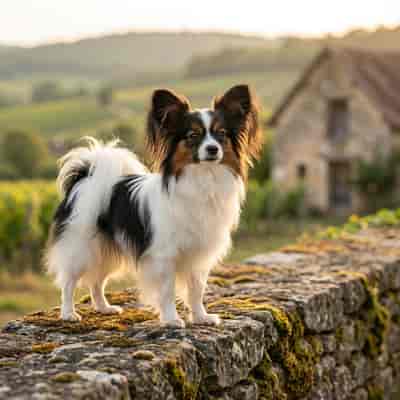
Les Papillons possèdent une audace qui dépasse disproportionnellement leur taille. Ils défieront des chiens beaucoup plus grands, ce qui peut mener à des conséquences tragiques s'ils ne sont pas protégés. Il s'agit d'une véritable confiance territoriale, pas d'un 'jappement'.
C'est une race 'velcro' élevée pendant des siècles comme chien de compagnie pour la noblesse. Ils ne tolèrent pas bien l'isolement. Les propriétaires travaillant 8 heures ou plus à l'extérieur découvrent souvent que leur Papillon développe des comportements de détresse sévère.
Bien qu'ils ne soient pas des aboyeurs irréfléchis, ce sont des chiens de garde vigilants. Ils annonceront chaque camion de livraison, sonnette et passant. Dans les appartements aux murs minces, cela peut devenir un problème avec le bail.
Contrairement aux robustes Golden Retrievers, les Papillons ne peuvent pas être manipulés brutalement. Ils mordent rapidement si on les saisit rudement, ce qui en fait un mauvais choix pour les foyers avec de jeunes enfants qui manquent de contrôle des impulsions.
Health Overview
View full health guide →Ownership Costs
View full breakdown →Includes food, insurance, vet visits, grooming, and supplies
Living Situation
With Other Pets
Climate & Seasonal Care
PULLS/VESTES OBLIGATOIRES par des températures inférieures à 7°C - pas de sous-poil isolant. Le sel sur les routes peut blesser leurs pattes. Plus près du sol signifie qu'ils absorbent plus de chaleur réfléchie en été.
Breed Origins
Living With a Papillon
- Décès/maladie du propriétaire (fréquent avec des propriétaires âgés)
- Morsures par peur lorsque manipulés brutalement par les enfants
- Aboiements excessifs incompatibles avec les voisins d'appartement
Exercise Menu
50-65 min/dayLife Stages
Physiquement fragile - le risque principal est le traumatisme dû à une chute ou être piétiné. Les chiots en dentition mâchent chirurgicalement les câbles électriques. La petite vessie signifie des accidents pendant 6-8 mois.
Peak energy age: 1-5 years
Prime years - energy stabilizes but remains active
Race à longue durée de vie (14-16 ans). Les rampes pour les meubles deviennent essentielles pour éviter les blessures dues aux sauts. Certain risque de confusion à un âge très avancé.
First Year Reality Check
Travel & Adventure
CANDIDAT PARFAIT pour les voyages en avion - taille idéale pour les vols en cabine (<7 kg). Ne jamais mettre en soute. Peut gérer des randonnées de 5-8 km mais peut avoir besoin d'être porté par-dessus de grands obstacles.
Safety & Containment
Fuite par la porte est un risque élevé - ils sont rapides et petits. La réactivité en laisse est courante en raison du sentiment de vulnérabilité. Ne jamais faire confiance dans les parcs à chiens en raison du 'Complexe du Grand Chien'.
Breeding Information
Special Abilities
Training Guide
- N'utilisez jamais de corrections dures - ce sont des âmes sensibles
- Utilisez leur intelligence - ils ADORENT apprendre de nouveaux tours
- L'entraînement en cage est fortement recommandé pour l'apprentissage de la propreté
- Les tapis de propreté/bac à litière sont valables pour les logements en hauteur
- Sensibles - les corrections dures provoquent un repli ou une défensivité
- Manipulateurs - apprennent rapidement à VOUS dresser pour obtenir des friandises
- L'apprentissage de la propreté peut être difficile en raison des petites vessies
Community Insights
No Papillon insights yet
We're gathering data from real Papillon owners. Be the first to share your experience!
Register your PapillonFeatured Papillons
Be the first Papillon creator!
No Papillons registered yet. Join Dogfluence and showcase your furry friend to brands.
Start creatingCare Tips for Papillons
Brossez leur pelage soyeux 2-3 fois par semaine pour éviter les nœuds, en particulier derrière les oreilles caractéristiques en forme de papillon.
Le brossage quotidien des dents est non négociable - les races de jouets ont un risque élevé de maladies dentaires.
Offrez 50-65 minutes d'activité quotidienne : 35 minutes d'exercice physique plus 20 minutes de stimulation mentale via l'apprentissage de tours ou des jouets puzzles.
Breed Characteristics
More Papillon Resources
Papillon Costs
Calculate the true cost of ownership
Papillon Health
Common health issues & prevention
Papillon Grooming
Coat care & grooming tips
Papillon Food
Nutrition & diet recommendations
Papillon Temperament
Personality & behavior traits
Papillon Name Ideas
Find the perfect name for your Papillon
Papillon Hashtags
Top Instagram hashtags for Papillon posts
Not the Right Fit?




Frequently Asked Questions
Join as a Papillon Creator
Love your Papillon? Join thousands of dogfluencers and get sponsored by top pet brands!
Enregistrer mon canal