

The Honest Truth
Before you fall in love, know what you're getting into.
Ce n'est PAS une exagération marketing. Les Huskies sont biologiquement conçus pour parcourir des centaines de kilomètres. Ils creusent sous les clôtures, sautent par-dessus des murs de 1,80 m et manipulent les verrous. Les clôtures de banlieue standard sont souvent insuffisantes.
Le Husky conserve une séquence prédatrice presque COMPLÈTE. Ils sont notoirement dangereux avec les chats, lapins, oiseaux et petits chiens. Cet instinct est inné - il ne peut pas être 'aimé' ou 'entraîné' de manière fiable pour l'éliminer.
Les Huskies sont des animaux de meute obligatoires. L'isolement provoque des hurlements audibles à des kilomètres et des destructions sévères (ronger les cloisons, portes, canapés). Inadaptés si laissés seuls 8+ heures sans compagnon canin.
Contrairement à un Golden Retriever qui travaille pour des éloges, un Husky travaille pour un OBJECTIF. S'ils ne voient pas de valeur dans un commandement, ils l'ignorent. Ce n'est pas de la stupidité - c'est une haute intelligence adaptative. Ce ne sont pas des chiens obéissants.
Health Overview
View full health guide →Ownership Costs
View full breakdown →Includes food, insurance, vet visits, grooming, and supplies
Living Situation
With Other Pets
Climate & Seasonal Care
Ils PROSPÈRENT dans le froid (-50°C). 'Mue de fourrure' deux fois par an en quantités de sac poubelle pendant 3 semaines. Été : EXTRÊME PRUDENCE au-dessus de 25°C - exercice uniquement tôt le matin. Ne JAMAIS raser le manteau - il isole aussi contre la chaleur.
Breed Origins
Living With a Siberian Husky
- Syndrome 'Game of Thrones' - acheté comme chiot 'direwolf', rendu comme destructeur d'1 an
- Fuite/errance - les propriétaires se lassent de récupérer leur chien au refuge ou chez les voisins
- Destruction due aux besoins d'exercice non satisfaits
Exercise Menu
90-120 min/dayLife Stages
Contrairement à un Golden (difficulté 6) qui veut plaire, un chiot Husky combine haute énergie, morsures extrêmes, cris pendant l'entraînement en caisse et manque total de concentration. Ce sont essentiellement des animaux sauvages dans un costume adorable pendant les 12 premiers mois.
Peak energy age: 1-3 years
Prime years - energy stabilizes but remains active
L'activité ralentit autour de 8+ ans mais ils restent agiles. Surveillez les yeux troubles (cataractes) et la raideur.
First Year Reality Check
Travel & Adventure
Le compagnon de randonnée ultime mais DOIT rester en laisse en raison du risque de poursuite d'animaux sauvages. Inadapté pour les jours de plage en été ou la randonnée au-dessus de 20°C sans précautions.
Safety & Containment
Ne JAMAIS faire confiance sans laisse dans les zones non clôturées. Ils creusent sous les clôtures, grimpent aux grillages, se glissent hors des colliers. Besoin de lean-ins ou de rouleaux anti-coyote en haut, du fil/béton enterré à la base.
Breeding Information
Special Abilities
Training Guide
- Utilisez des récompenses de TRÈS HAUTE valeur (foie, fromage) - ils ne travaillent pas pour des croquettes
- Pas de méthodes de force - cause l'arrêt ou la défensive
- Acceptez que le rappel fiable est un besoin de gestion à vie, non réalisable
- Gardez les séances courtes - ils s'ennuient facilement
- Zéro désir inné de plaire
- L'instinct de prédation élevé annule tout entraînement
- Le rappel est pratiquement impossible sans laisse
Community Insights
No Siberian Husky insights yet
We're gathering data from real Siberian Husky owners. Be the first to share your experience!
Register your Siberian HuskyFeatured Siberian Huskys
Be the first Siberian Husky creator!
No Siberian Huskys registered yet. Join Dogfluence and showcase your furry friend to brands.
Start creatingCare Tips for Siberian Huskys
Offrez 90-120 minutes d'exercice vigoureux quotidien - une promenade autour du pâté de maisons N'EST PAS suffisante. Ils ont besoin de courir.
Investissez dans un confinement anti-fugue : des clôtures d'au moins 1,80 m avec des barrières anti-creusement. Les clôtures de banlieue standard sont souvent insuffisantes.
Ne faites jamais confiance à une liberté sans laisse dans les zones non clôturées - leur instinct de prédation et leur tendance à l'errance annulent tout entraînement.
Ne rasez jamais leur pelage - le double manteau isole AUSSI BIEN contre le froid que contre la chaleur. Limitez l'exercice estival à l'aube/crépuscule.
Breed Characteristics
More Siberian Husky Resources
Siberian Husky Costs
Calculate the true cost of ownership
Siberian Husky Health
Common health issues & prevention
Siberian Husky Grooming
Coat care & grooming tips
Siberian Husky Food
Nutrition & diet recommendations
Siberian Husky Temperament
Personality & behavior traits
Siberian Husky Name Ideas
Find the perfect name for your Siberian Husky
Siberian Husky Hashtags
Top Instagram hashtags for Siberian Husky posts
Not the Right Fit?
Frequently Asked Questions
Popular Siberian Husky Mixes
See all 26 mixes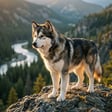
Join as a Siberian Husky Creator
Love your Siberian Husky? Join thousands of dogfluencers and get sponsored by top pet brands!
Enregistrer mon canal