SeriousOrthopédique & Articulations
Hip Dysplasia in Dogs
A genetic condition where the hip joint doesn't develop properly, causing the ball and socket to grind instead of sliding smoothly. This leads to pain, arthritis, and mobility issues.
Affected Breeds88
Available Tests75
Also known as: Hip Dysplasia:
Dog Breeds Affected by Hip Dysplasia
Data from 88 breed health profiles
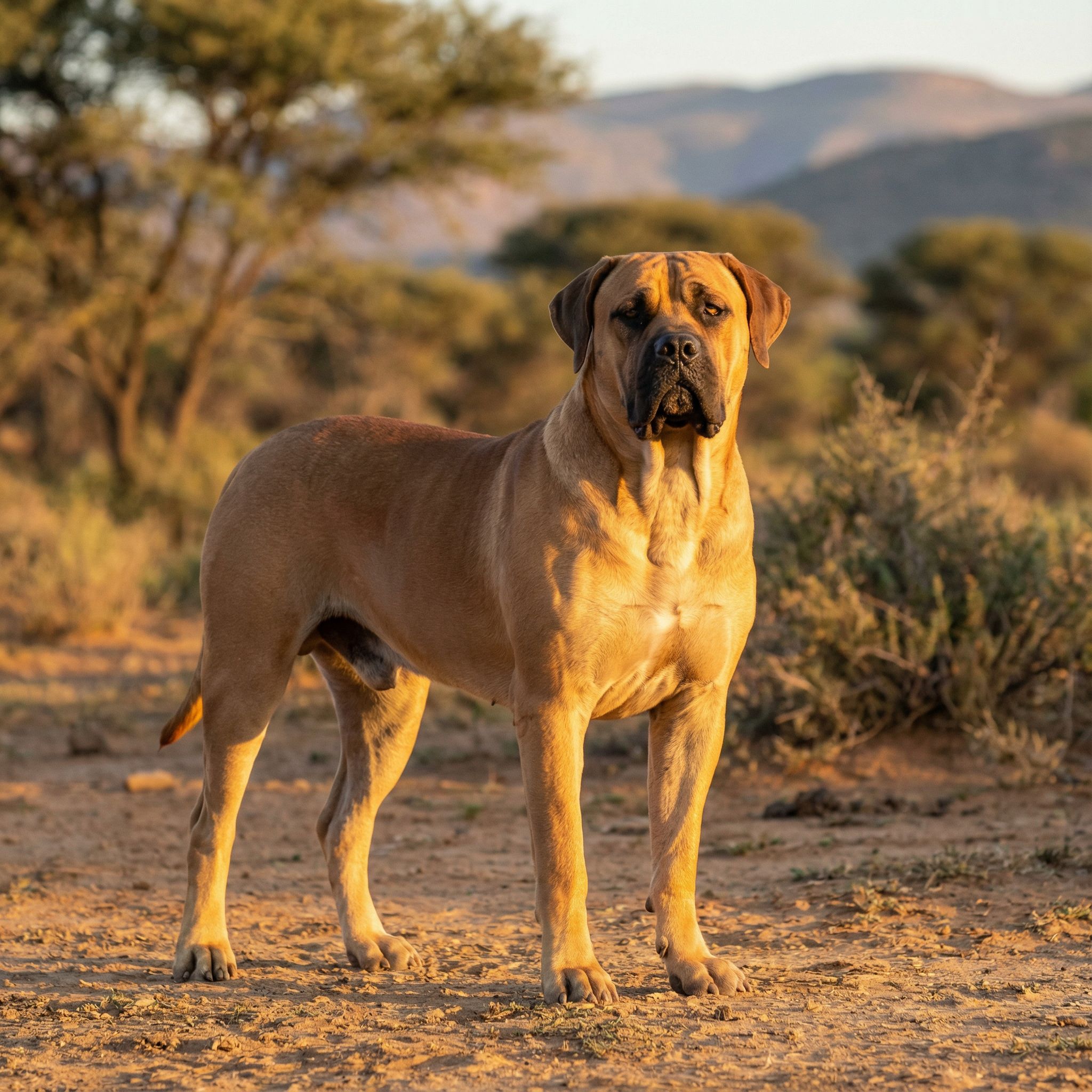
Boerboel
48.2% dysplastic rate prevalence

Saint Bernard
Prevalence: 46.7% prevalence

Clumber Spaniel
44.8% of evaluated dogs dysplastic prevalence

Black Russian Terrier
approx. 41-42% affected prevalence

Cane Corso
40-59.7% prevalence

Basset Hound
37.8% prevalence

Barbet
27% prevalence prevalence

Newfoundland
25.2% prevalence
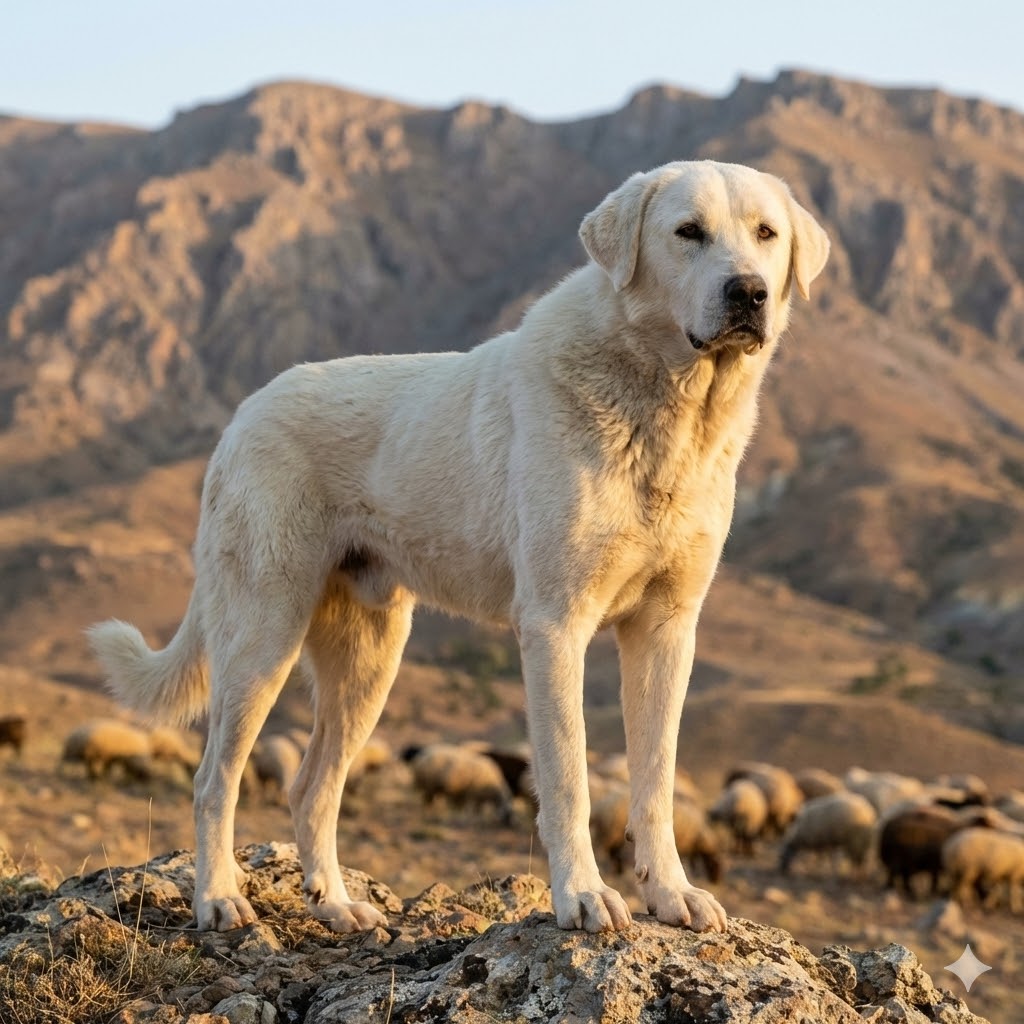
Akbash Dog
23.8% prevalence

Bracco Italiano
~22% prevalence prevalence

Cardigan Welsh Corgi
21.2% prevalence
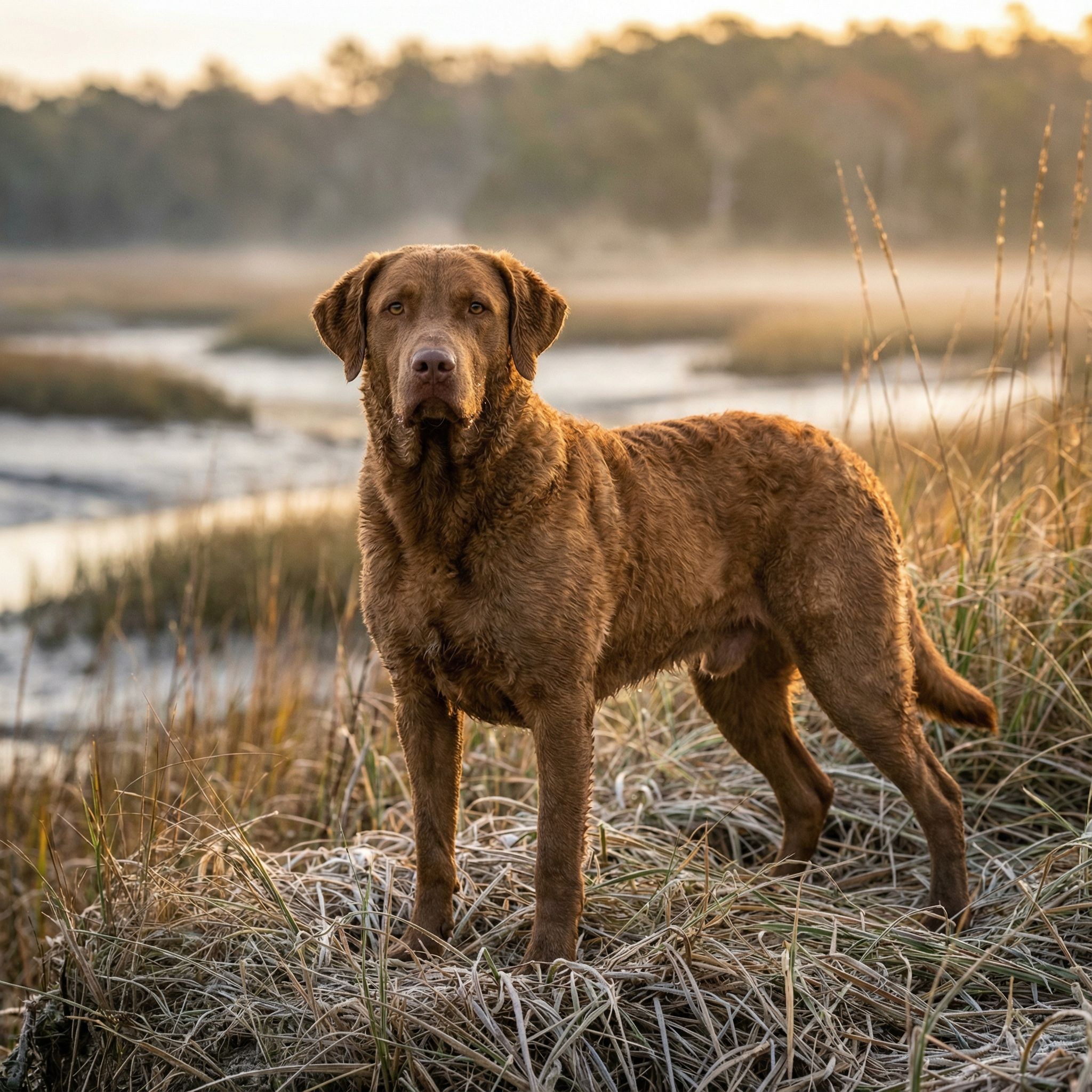
Chesapeake Bay Retriever
~20.6% prevalence
Symptoms to Watch For
- Limping or bunny-hopping gait
- Difficulty rising or jumping
- Reduced activity
- Loss of muscle mass in hind legs
- Stiffness after rest
If you notice any of these symptoms in your dog, consult your veterinarian promptly.
Prevention & Management
Maintain healthy weight
Avoid over-exercising puppies
Use joint supplements
Choose breeders with hip-tested parents
Ask Breeder For These Tests
When purchasing a puppy, ask breeders for documentation of these health clearances.
Patella Evaluation (OFA)Hip Evaluation (OFA)Hip EvaluationOFA/PennHIP scores for parentsOFA Hips & ElbowsOFA HipsOFA/PennHIP screeningOFA Evaluations (Hips and Patellas)OFA Hip EvaluationOFA/PennHIP scores for Hips and ElbowsOFA Thyroid panelsOFA hips/elbowsOFA Hips clearanceOFA Thyroid clearanceOFA/PennHIP scores for hipsOFA Thyroid certificationOFA Cardiac (Echo)OFA Eyes (CERF)Hip scoring (OFA/PennHIP)Elbow scoring (OFA/PennHIP)Hip evaluation (OFA)PennHIP testing (parents)CHIC numbers including hips, elbows, eyes (CERF), cardiac, and Von Willebrand’s Disease (vWD)OFA ElbowsOFA or PennHIP scores (for parents)OFA PatellaOFA/PennHIP (Hips)Hip and Elbow evaluationsHip Evaluation (OFA/PennHIP)OFA/PennHIP for hip/elbow dysplasiaHip/Elbow Scoring (OFA or PennHIP)Hip Dysplasia screening (OFA)Patella/Hip evaluationOFA scores for Hip/Elbow DysplasiaOrthopedic Screening (OFA or PennHIP)Hip & Elbow Dysplasia (X-ray/OFA)OFA Hip evaluationOFA Patella evaluationHip Evaluation (OFA or PennHIP)OFA/PennHIP hip evaluationOFA elbow evaluationHip Dysplasia (OFA/PennHIP)Hip Evaluation (OFA/BVA)OFA certifications for HipsOFA certifications for PatellasOFA certifications for EyesOFA certifications for Cardiac healthHip & Elbow scores (OFA/SV)Hip Dysplasia (OFA)OFA Hip/Elbow evaluationsOFA Clearances (Hips, Elbows, Patellas, Eyes (CERF))OFA or PennHIP scoresOFA Hip & Elbow evaluationsOFA or PennHIP scores (for Hip Dysplasia)HipsOFA or PennHIP for hips and elbowsOFA Hips (after 2 years)Hips (OFA or PennHIP) - CHIC requiredOFA Eyes (annually)OFA/PennHIP certificates (Hip Dysplasia)Hip evaluationOFA testing of parentsOFA Hip Evaluations (or PennHIP)Hip and Elbow Evaluation (OFA/PennHIP)OFA/PennHIP certifications for hips and elbowsOFA Eyes (yearly)OFA Hip CertificationOFA Eye (CAER) CertificationOFA Eyes (goniodysplasia/glaucoma)OFA PatellasOFA/PennHIP for Hips and ElbowsHip evaluation (OFA/BVA)OFA EyesOFA ThyroidHip/Elbow scores
Reputable breeders should provide documentation for genetic tests. Don't purchase a puppy without seeing health clearances.
Related Health Issues
Frequently Asked Questions
What is Hip Dysplasia in dogs?
A genetic condition where the hip joint doesn't develop properly, causing the ball and socket to grind instead of sliding smoothly. This leads to pain, arthritis, and mobility issues.
Which dog breeds are most affected by Hip Dysplasia?
Based on breed health data, Hip Dysplasia is commonly reported in Boerboel, Saint Bernard, Clumber Spaniel, and 85 other breeds. Some breeds may have higher prevalence rates than others.
How can I prevent Hip Dysplasia in my dog?
Prevention strategies include: Maintain healthy weight; Avoid over-exercising puppies; Use joint supplements; Choose breeders with hip-tested parents. Always consult with your veterinarian for personalized advice.
What are the symptoms of Hip Dysplasia?
Common symptoms include: Limping or bunny-hopping gait; Difficulty rising or jumping; Reduced activity; Loss of muscle mass in hind legs; Stiffness after rest. If you notice any of these signs, consult your veterinarian promptly.
Medical Disclaimer
This information is for educational purposes only and is not a substitute for professional veterinary advice. Always consult with a qualified veterinarian for diagnosis and treatment of health conditions in your dog.
All Issues
Browse directory
Top Issues
Most common conditions
Dog Breeds
Breed health profiles