Australian Cattle Dog vs Cane Corso
Une comparaison côte à côte pour vous aider à trouver la race idéale pour votre mode de vie.
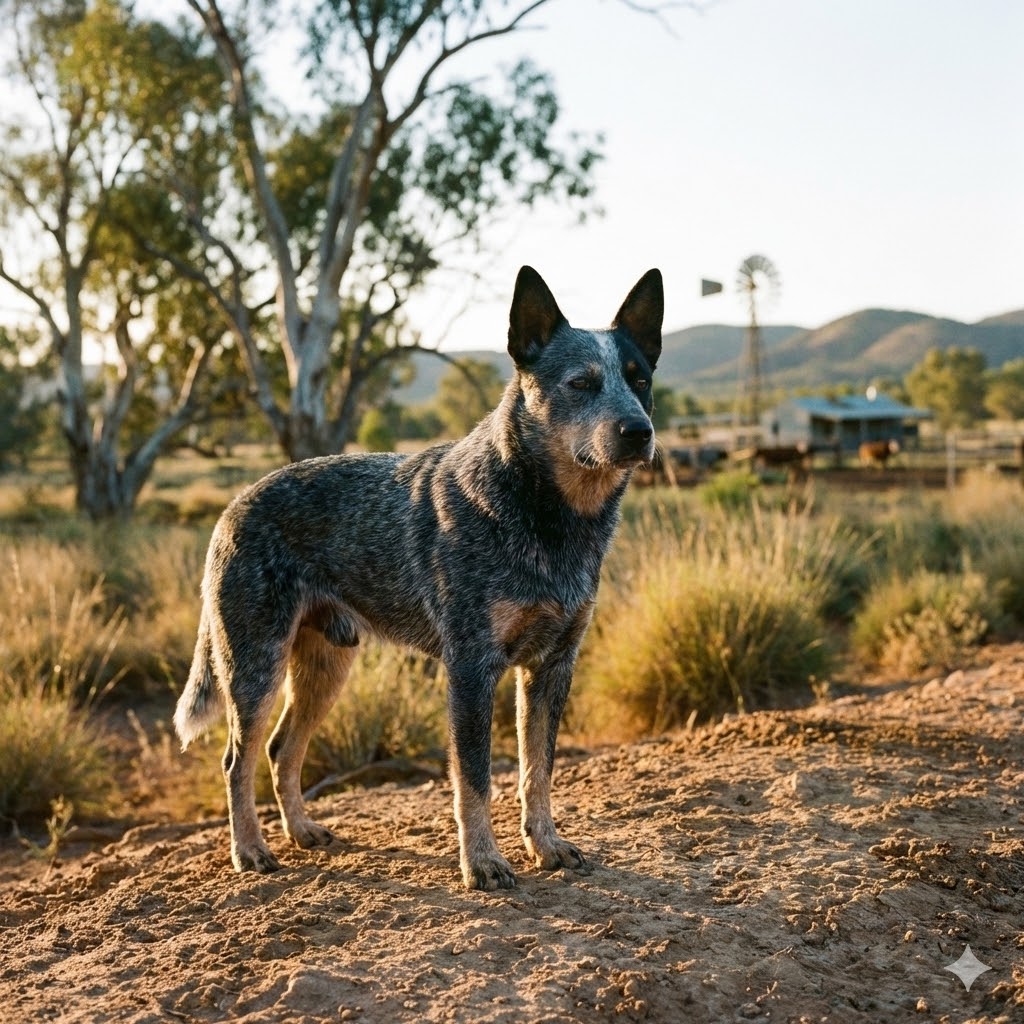
Australian Cattle Dog
Aussi connu sous le nom de : Blue Heeler, Red Heeler, Queensland Heeler, ACD, Heeler
The Australian Cattle Dog (ACD), widely known as the Blue or Red Heeler, is a canine of paradoxes: fiercely loyal yet fiercely independent, highly trainable yet stubbornly autonomous, and ruggedly durable yet prone to specific genetic vulnerabilities. Bred to drive half-wild cattle across the harsh Australian outback, this medium-sized dog thrives on having a job and will create chaos without one.
Moyen
Élevé
12-16 ans
43-51 cm
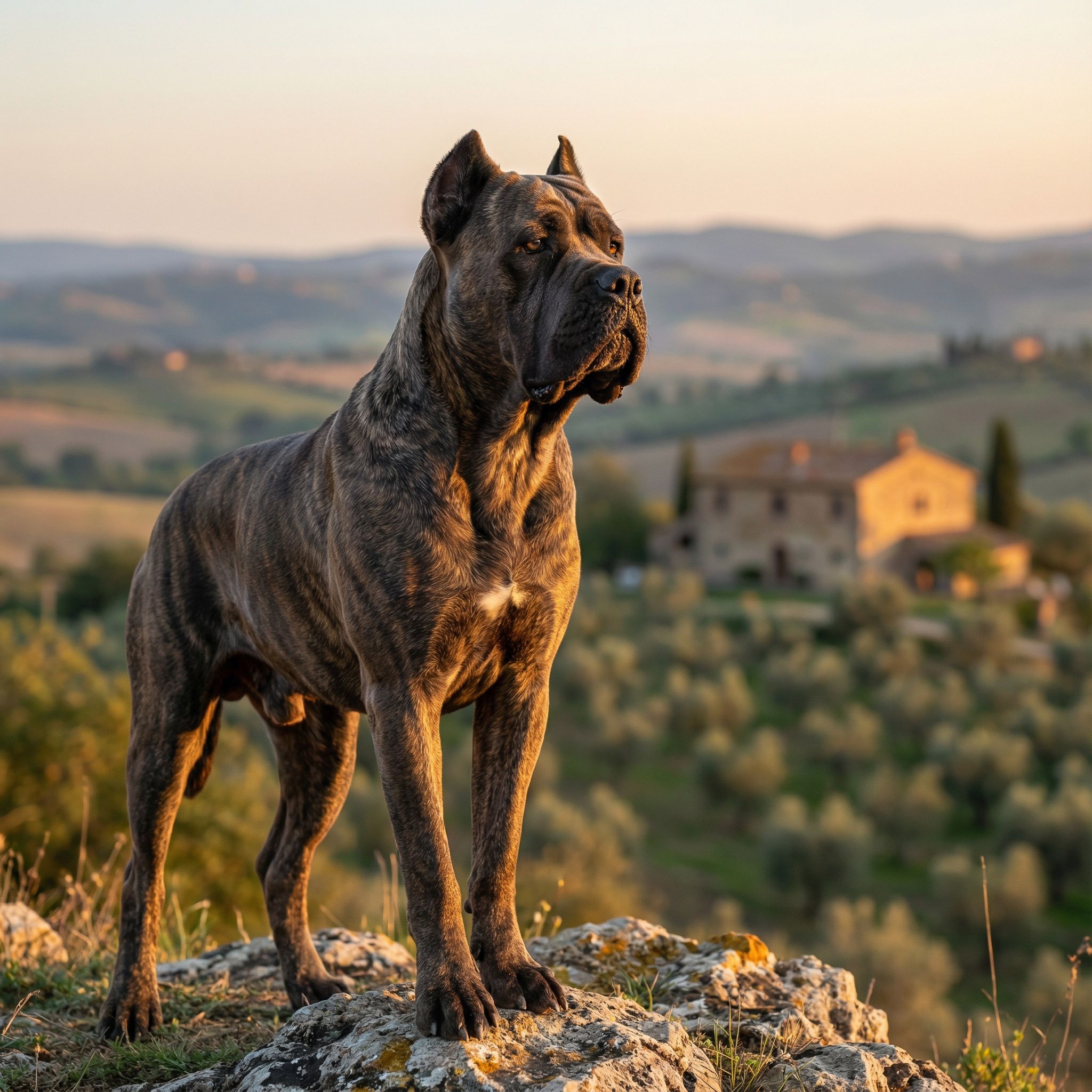
Cane Corso
Aussi connu sous le nom de : Italian Mastiff, Cane Corso Italiano
The Cane Corso is a powerful Italian guardian breed with a genetic imperative to protect territory and family. Descended from Roman war dogs, this breed requires experienced handling, extensive socialization, and an owner who can provide clear, fair, consistent leadership. This is NOT a breed for first-time owners or casual dog enthusiasts.
Très Grand
Élevé
9-12 ans
60-70 cm
40-50+ kg
Comparaison Rapide
| Caractéristique | Australian Cattle Dog | Cane Corso |
|---|---|---|
| Énergie | ||
| Entraînabilité | ||
| Besoins en Toilettage | ||
| Adapté aux Familles | ||
| Indépendance |
Caractéristiques Clés
| Bon avec les Enfants | ||
| Bon avec les Chiens | ||
| Bon avec les Chats | ||
| Hypoallergénique | ||
| Adapté aux Appartements | ||
| Adapté aux Débutants |
| Détail | Australian Cattle Dog | Cane Corso |
|---|---|---|
| Taille | Moyen | Très Grand |
| Niveau d'Énergie | Élevé | Élevé |
| Toilettage | Moyen | Moyen |
| Entraînabilité | Modéré | Modéré |
| Niveau d'Aboiement | Moyen | Élevé |
| Niveau de Mue | Moyen | Moyen |
| Force de mastication | Forte | Forte |
| Logement | Grand terrain | Avec jardin |
Compatibilité avec le Propriétaire
Compatibilité Propriétaire
| Caractéristique | Australian Cattle Dog | Cane Corso |
|---|---|---|
| Niveau d'Expérience | Advanced | Advanced |
| Propriétaire Débutant | ||
| Propriétaire Idéal | Experienced dog owner with active lifestyle (running, hiking, biking). Works from home or has flexible schedule. Ideally has access to land, livestock work, or dog sports. Committed to ongoing training and socialization. Understands and accepts heeling/nipping as a breed trait to be managed, not 'fixed.' | Experienced dog handler who has owned guardian breeds before. Has time for extensive socialization and training. Physically capable of handling a powerful dog. Has secure property with 6ft solid fence. Prepared for insurance challenges and high costs. |
Points Négatifs de Australian Cattle Dog
- Sedentary lifestyle - if you want to watch TV after work, don't get this dog
- Small children in household - high risk of nipping kids under 8-10 years
- Want a friendly dog for guests - they guard their home and are suspicious of strangers
- No experience reading canine body language
Points Négatifs de Cane Corso
- First-time dog owner - margin for error is non-existent
- Apartment living - size and guarding barking
- Small kids - risk of accidental injury due to size
- Busy households with frequent guests - stressful for guardian breed
- Cannot physically control 50kg+ dog
Risque d'Abandon
| Facteur | Australian Cattle Dog | Cane Corso |
|---|---|---|
| Niveau de Risque | Élevé | Élevé |
| Raisons Principales | Heeler Nipping - biting children who run, Destructive Behavior from boredom/insufficient exercise, The 'Bluey Effect' - media creates unrealistic expectations | He got too big/strong - owners underestimate 100lb guardian breed, He growled at kids/guests - failed socialization manifesting, Surrendered most frequently between 1-2 years of age |
Tempérament et Personnalité
Comparaison de Comportement
| Caractéristique | Australian Cattle Dog | Cane Corso |
|---|---|---|
| Instinct de Chasse | ||
| Capacité de Gardien | ||
| Sociable avec les Inconnus | ||
| Niveau de Bave | ||
| Tendance à Fuguer |
Vocalisation
| Caractéristique | Australian Cattle Dog | Cane Corso |
|---|---|---|
| Niveau d'Aboiement | Moyen | Élevé |
| Tendance à Hurler | ||
| Tendance à Gémir | Élevé | Faible |
| Vocalisation de Séparation |
Sécurité et Fiabilité
| Caractéristique | Australian Cattle Dog | Cane Corso |
|---|---|---|
| Artiste de l'Évasion | ||
| Adapté au Parc Canin | ||
| Fiable sans Laisse | ||
| Sûr avec les Petits Animaux | ||
| Réactivité en Laisse | ||
| Risque de Garde de Ressources | Modéré | Élevé |
Traits Sociaux de Australian Cattle Dog
Élevé
Often intolerant of strange dogs, especially same-sex at 18-24 months
Traits Sociaux de Cane Corso
Élevé
High risk of same-sex aggression - opposite-sex pairings safer
Dressage
Australian Cattle Dog
- Use their drive (toys/play) rather than just food as rewards
- Keep training sessions short and varied
- Start bite inhibition training on day one - this is non-negotiable
- Extensive socialization before 14 weeks is critical for managing stranger wariness
Cane Corso
- Use food motivation for teaching, but establish clear boundaries
- Start socialization immediately - the window closes fast
- Never use punishment that could trigger defensive response
- Train instant recall - essential for a guard dog
Considérations pour Australian Cattle Dog
Bred to move stubborn cattle by biting at their heels, this instinct translates to nipping running children, joggers, bicycles, and even cars. This is a feature, not a bug - but it's the #1 reason families surrender this breed for 'aggression.'
Unlike friendly Golden Retrievers, ACDs are genetically programmed to be suspicious. They are natural watchdogs that can escalate to fear-aggression without extensive early socialization. They guard their home, car, and person intensely.
They bond intensely to one person while merely tolerating others. They will follow you to the bathroom and may develop severe separation anxiety if excluded from family activities. They want to be in the same room as their person at all times.
Particularly in females, ACDs often become selective and intolerant of other dogs upon reaching social maturity (18-24 months). Dog parks are often a poor fit for this breed.
Considérations pour Cane Corso
Even well-socialized Corsos often develop intolerance for dogs of the same sex upon reaching social maturity (18-24 months). This is a breed trait, not a training failure.
Unlike breeds that welcome intruders, a Cane Corso is naturally suspicious. Without extensive socialization, this escalates to fear-based aggression or liability-inducing reactivity.
This is a guard dog, not a watchdog. They will physically block or confront threats. Requires an owner who can call the dog off instantly.
Resource guarding (food/toys) is a known trait that must be managed early before it becomes dangerous with a 50kg+ dog.
Compatibilité Multi-Espèces
| Espèce | Australian Cattle Dog | Cane Corso |
|---|---|---|
| Avec les Chats | Caution - can coexist with dog-savvy cats if raised from puppyhood, but will chase if the cat runs | Can coexist with indoor cats if raised together, but strong chase instinct for fleeing animals |
| Petits Mammifères | Unsafe - terrier/dingo heritage makes them dangerous to rodents and rabbits | Unsafe - outdoor cats, squirrels, and small dogs often viewed as prey |
| Oiseaux / Reptiles | High risk - movement triggers predatory chase | Unsafe - high prey drive makes them a risk to small moving animals |
Comportement Avancé
| Caractéristique | Australian Cattle Dog | Cane Corso |
|---|---|---|
| Risque de Séquence Prédatrice | Arrested (High Drive) | Full |
| Disposition à Obéir | High (but Selective) | Moyen |
| Sensibilité au Bruit | Faible | Faible |
| Aboiement Territorial | ||
| Début d'Agressivité entre Mêmes Sexes | 18 months | 18 months |
Australian Cattle Dog: Predatory sequence is Eye → Stalk → Chase → Grab-Bite (Nip). The 'kill' is inhibited for large animals but for small animals (cats, squirrels), it can proceed further. They are pragmatic - they need a reason to obey, unlike Border Collies who work for the sake of work.
Cane Corso: Full predatory sequence (Eye -> Stalk -> Chase -> Grab -> Kill) present from catch-dog history. Smart but not blindly obedient - needs to respect handler to obey. Not 'push-button' dogs like Border Collies.
Première Année et Étapes de Vie
Défis de la Première Année
| Défi | Australian Cattle Dog | Cane Corso |
|---|---|---|
| Difficulté en Chiot | ||
| Phase Destructrice | 6-18 | 6-24 |
| Apprentissage de la Propreté | Moyen | Moyen |
| Apprentissage de la Caisse | Élevé | Obligatoire |
| Régression Adolescente |
Australian Cattle Dog: ACD puppies are 'land sharks' - they nip heels, pant legs, and hands with intent. Unlike a mouthy Lab, these nips are meant to control and can break skin. Immediate boundary setting regarding biting is critical.
Cane Corso: Unlike a Golden Retriever (Score 6) which may be mouthy but friendly, a Corso puppy requires intense, precise socialization to prevent aggression. They grow rapidly, becoming powerful enough to drag an owner before mentally mature. Fear periods can result in permanent suspicion if not managed perfectly.
Calendrier des Étapes de Vie
| Étape | Australian Cattle Dog | Cane Corso |
|---|---|---|
| Phase Chiot | 12 months | 12 months |
| Adolescence | 12-36 | 12-36 |
| Années Adultes | 3-9 | 3-7 |
| Début de la Vieillesse | ~10 years | ~7 years |
| Âge de Pic d'Énergie | 1-3 years | 1-3 years |
Taille et Caractéristiques Physiques
Statistiques Physiques
| Mesure | Australian Cattle Dog | Cane Corso |
|---|---|---|
| Hauteur | 43-51 cm | 60-70 cm |
| Poids | Pas encore assez de données | Pas encore assez de données |
| Catégorie de Taille | Moyen | Très Grand |
| Espérance de Vie | 12–16 ans | 9–12 ans |
| Taille de Portée | 5-7 | 4-8 |
Pelage de Australian Cattle Dog
Pelage de Cane Corso
Lignée et Origine
| Détail | Australian Cattle Dog | Cane Corso |
|---|---|---|
| Usage d'Origine | Driving half-wild cattle across vast Australian outback distances by nipping at heels | Italian catch-dog and property guardian. Used to hunt dangerous game (wild boar, badger) and protect farmsteads. |
| Origine | New South Wales, Australia, 19th century | Italy, descended from Roman canis pugnax |
Détails de la Reproduction
| Détail | Australian Cattle Dog | Cane Corso |
|---|---|---|
| Taux de Césarienne | Faible | 20-30% |
| Difficulté de la Mise Bas | Facile | Moyen |
| Mortalité des Chiots | Faible | Faible |
Risques Physiques
| Risque | Australian Cattle Dog | Cane Corso |
|---|---|---|
| Risque de Dilatation / GDV | Faible | Élevé |
| Risque sur Sol Glissant | Faible | Moyen |
| Hauteur Minimale de Clôture | 1.5m | 1.8m |
| Risque de Creuser / S'échapper | Moyen | Faible |
Santé et Conditions Courantes
Problèmes de Santé de Australian Cattle Dog
Problèmes de Santé de Cane Corso
Tests Recommandés pour Australian Cattle Dog
- BAER (Brainstem Auditory Evoked Response) at 6 weeks
- Genetic testing for prcd-PRA
- Genetic testing for PLL
- Hip Evaluation (OFA)
- Elbow Evaluation
Tests Recommandés pour Cane Corso
- Hip/Elbow Scoring (OFA or PennHIP)
- Cardiac Exam (annual DCM screening)
- NCL DNA Testing
Aperçu des Risques de Santé
| Facteur de Risque | Australian Cattle Dog | Cane Corso |
|---|---|---|
| Risque de Cancer | Faible | Moyen |
| Risque Cardiaque | Faible | Moyen |
| Risque Neurologique | Faible | Faible |
| Risque de Rupture CCL/ACL | Élevé | Élevé |
| Niveau de Charge Vétérinaire | Moyen | Très élevé |
Sensibilités et Allergies
| Sensibilité | Australian Cattle Dog | Cane Corso |
|---|---|---|
| Allergies Cutanées | ||
| Allergies Environnementales | ||
| Sensibilité Gastrique | Faible | Moyen |
| Allergies Alimentaires | Generally hardy | Various - individual dependent |
Entretien de la Santé
| Soin | Australian Cattle Dog | Cane Corso |
|---|---|---|
| Vitesse de Croissance des Ongles | Fast | Normal |
| Besoins en Soins Oculaires | Moyen | Élevé |
| Problèmes de Glande Anale | Rare | Occasional |
Soins Senior et Vieillissement
Soins Senior de Australian Cattle Dog
Problèmes Courants chez les Seniors
- Arthritis
- Deafness (age-related on top of genetic risk)
- Blindness from PRA
They age remarkably well compared to other breeds. Many remain active into their teens. Longevity is a breed hallmark - the oldest verified dog ever was an ACD named Bluey who lived to 29 years.
Soins Senior de Cane Corso
Problèmes Courants chez les Seniors
- Arthritis/mobility decline
- Hip/elbow dysplasia progression
- Heart issues
- Cancer
Mobility often declines rapidly due to arthritis. Decline can be expensive to manage (pain meds, laser therapy). Euthanasia decisions often driven by mobility failure rather than organ failure.
Toilettage et Entretien
Australian Cattle Dog
Entretien mediumCane Corso
Entretien mediumCompatibilité avec le Mode de Vie
Vie Quotidienne de Australian Cattle Dog
Vie Quotidienne de Cane Corso
Logement et Restrictions Légales
| Restriction | Australian Cattle Dog | Cane Corso |
|---|---|---|
| Restreint par BSL | ||
| Interdiction Courante en Location | ||
| Liste Noire des Assurances | ||
| Catégorie de Poids | 25-50lbs | Over 50lbs |
Tolérance Climatique
| Climat | Australian Cattle Dog | Cane Corso |
|---|---|---|
| Tolérance à la Chaleur | ||
| Tolérance au Froid | ||
| Affinité avec l'Eau | Moyen | Faible |
Compatibilité Voyage
| Activité | Australian Cattle Dog | Cane Corso |
|---|---|---|
| Voyage en Voiture | Excellent | Bon |
| Camping | ||
| Adapté à la Plage | ||
| Aptitude à la Randonnée | ||
| Éligible en Cabine d'Avion | ||
| Taille Adaptée à l'Hôtel |
Aptitude pour des Usages Spécifiques
| Rôle | Australian Cattle Dog | Cane Corso |
|---|---|---|
| Chien d'Assistance | Moyen | Faible |
| Chien de Thérapie | Faible | None |
| Thérapie par Pression Profonde | ||
| Canicross / Bikejoring | ||
| Adaptable en Appartement | ||
| Adapté Tactile / Sensoriel | ||
| Chien de Protection de Troupeau | ||
| Alerte Médicale | Faible | None |
Coûts et Dépenses
Coûts Initiaux
| Coût | Australian Cattle Dog | Cane Corso |
|---|---|---|
| Prix d'Achat | $800-2,500 | $1,500-3,000 |
| Fourchette de Coût Initial | $800–$2,500 | $1,500–$3,000 |
| Niveau de Coût |
Coûts Courants
| Coût | Australian Cattle Dog | Cane Corso |
|---|---|---|
| Fourchette Mensuelle | $100–$200 | $200–$350 |
| Fourchette Annuelle | $1,500–$2,500 | $2,500–$4,200 |
| Nourriture / Mois | $40-100 | $80-150 |
| Assurance / Mois | $40-70 | $60-150+ |
| Toilettage / Séance | $30-50 | $50-75 |
| Vétérinaire Routine / An | $400-800 | $500-1,000 |
| Niveau de Coût Mensuel |
Coût de Vie de Australian Cattle Dog
$18,000-35,000
Coût de Vie de Cane Corso
$25,000-50,000+
Particularités et Anecdotes
Particularités Quotidiennes
| Particularité | Australian Cattle Dog | Cane Corso |
|---|---|---|
| Ronflements | ||
| Flatulences | Rare | Occasional to frequent |
| Niveau de Bave | None | Moderate to Heavy |
| Odeur Mouillé | Mild | Strong |
| Fréquence des Zoomies | Daily | Rare |
| Chapardage sur le Plan de Travail | ||
| Tendance à Creuser | Moyen | Faible |
Particularités de Australian Cattle Dog
The Heeler Nip
Will attempt to herd anything that moves - children, joggers, bicycles, cars, vacuum cleaners - by nipping at heels
Shrimping
Unique sleeping position where they tuck all legs and curl into a tight ball, resembling a shrimp
The Cattle Dog Sit
Often sit lazily on one hip with legs kicked out to the side - this is normal, not a sign of hip dysplasia
Dingo Whine
A specific high-pitched whine used to manipulate owners or express frustration - inherited from their Dingo ancestry
Oral Fixation
Mouthy dogs that explore the world with their mouth well into adulthood
Stoic Pain Tolerance
Will run on a broken leg if adrenaline is high - owners must be vigilant for subtle signs of injury
Particularités de Cane Corso
The Drool Slingers
Expect drool 'slingers' on walls and furniture, especially after drinking or shaking their heads
The Lean
Will lean their heavy body against you - this is affection from a 100lb dog
Night Patrol
As guardians, they're naturally more alert at night and may patrol the house
The 700 PSI Myth
Often claimed to have 700 PSI bite force. Real measurement is 200-400 PSI (200kg force) - still powerful, but not supernatural
Questions Fréquentes
Faites de votre chien une collaboration de marque.
Les marques animalières cherchent des créateurs authentiques, pas des célébrités. Si vous avez un Australian Cattle Dog ou un Cane Corso, vous pouvez obtenir des produits gratuits, du matériel et des avantages exclusifs simplement en partageant la vie de votre chien sur Instagram.
Aucun minimum d'abonnés · Inscription gratuite
Basé sur des données de recherche exhaustives sur les races.
Voir le profil de Australian Cattle Dog·Voir le profil de Cane Corso