
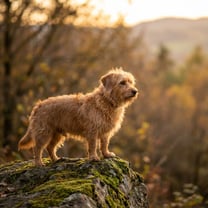
Comment toiletter un Dorgi
Guide de toilettage complet étape par étape pour un pelage court
Comprendre le pelage court de votre Dorgi
- Peut quand meme perdre des poils
- Les griffes peuvent demander de l attention
- Le soin de la peau est important
Outils de toilettage essentiels pour poil court
Brosse à curry en caoutchouc
EssentielEnlever les cheveux lâches et masser
Brosse à poils
RecommandéDistribuer des huiles naturelles
Outil de démêlage
RecommandéGérer la mue saisonnière
Gant de toilettage
OptionnelDes visites quotidiennes rapides
Coupe-ongles ou broyeur
EssentielEntretien régulier des ongles
Shampoing pour chien
EssentielBain et nettoyage
Conditionneur pour chien
RecommandéGardez le pelage sain et brillant
Nettoyant pour les oreilles
EssentielPrévenir les otites
Brosse à dents et dentifrice
EssentielHygiène dentaire
Guide de brossage étape par étape
Utilisez une brosse à curry en caoutchouc
Massez en mouvements circulaires avec une brosse à curry en caoutchouc pour détacher les poils morts et stimuler la peau.
Brosser avec une brosse à poils
Suivez avec une brosse à poils pour enlever les poils détachés et répartissez les huiles naturelles à travers le pelage.
Deshed si besoin
Pendant la saison de mue, utilisez un outil de démêlage pour éliminer l'excès de sous-poil si votre chien à poil court en a un.
Essuyer
Terminez avec un chiffon humide ou une lingette de toilettage pour attraper les cheveux lâches restants et ajouter de la brillance.
Baigner votre Dorgi
Fréquence recommandée : Toutes les 8-12 semaines
Brosse avant le bain
Brossez-vous toujours soigneusement avant de vous baigner pour éliminer les nattes et les cheveux dénoués. L'eau resserrera les tapis et les rendra impossibles à retirer.
Bien mouiller
Utilisez de l'eau tiède et mouillez complètement votre chien, en commençant par le cou vers le bas. Assurez-vous que l'eau atteint la peau, en particulier pour les poils épais.
Appliquer le shampoing
Diluez le shampooing avec de l'eau si nécessaire. Faire mousser du cou à la queue en évitant les yeux et les oreilles. Concentrez-vous sur les zones sales comme les pattes et le ventre.
Rincer complètement
Rincez jusqu'à ce que l'eau soit claire et sans mousse. Les restes de shampoing peuvent provoquer une irritation cutanée. Pour les couches épaisses, cela prend plus de temps que vous ne le pensez !
Conditionner si besoin
Pour des couches plus longues ou sèches, appliquez un revitalisant et laissez agir 2 à 3 minutes avant de rincer. Aide à prévenir les enchevêtrements et à garder le pelage sain.
Bien sécher
Séchez d'abord avec une serviette, puis séchez à l'air libre ou utilisez un sèche-cheveux sans danger pour les chiens à feu doux. Pour les doubles couches, assurez-vous que la sous-couche sèche complètement pour éviter les points chauds.
Soin des ongles et des oreilles
Coupe des ongles
Frequence: Toutes les 2-4 semaines, ou lorsque les griffes claquent sur un sol dur
Recherchez la zone rose rapide à l’intérieur de l’ongle. Pour les ongles foncés, coupez de petites quantités à la fois pour éviter de les heurter.
Tenez la patte fermement mais doucement. Coupez les clous à un angle de 45 degrés, en les coupant parallèlement au sol lorsque le chien est debout.
Coupez de petites quantités à la fois. Si vous voyez un point sombre au centre de l’ongle, arrêtez-vous car vous êtes à proximité du vif.
Utilisez une lime à ongles ou une meuleuse pour lisser les bords tranchants. Cela évite les rayures et rend les ongles moins susceptibles de s'accrocher.
Nettoyage des oreilles
Frequence: Controle hebdomadaire, nettoyage si necessaire (generalement toutes les 1-2 semaines)
Vérifiez les oreilles chaque semaine pour détecter toute rougeur, odeur, écoulement ou excès de cérumen. Les oreilles saines doivent être roses et propres.
Remplissez le conduit auditif avec un nettoyant pour oreilles sans danger pour les chiens. Massez la base de l’oreille pendant 30 secondes pour briser les débris.
Laissez votre chien secouer la tête pour amener les débris jusqu'à l'oreille externe. Ceci est normal et facilite le processus de nettoyage.
Utilisez des boules de coton ou de la gaze pour essuyer délicatement les parties visibles de l'oreille. N’insérez jamais quoi que ce soit dans le conduit auditif.
Surveillez: Les races à oreilles tombantes nécessitent un nettoyage plus fréquent en raison d’une circulation d’air réduite. Des oreilles rouges et enflées ou une odeur nauséabonde nécessitent l’attention d’un vétérinaire.
Calendrier de toilettage saisonnier
Printemps
Saison de mue
- Augmentez la fréquence de brossage pour gérer les pertes abondantes
- Envisagez un traitement de démêlage professionnel
- Se baigner plus fréquemment pour éliminer le sous-poil détaché
- Vérifiez les allergies saisonnières et les irritations cutanées
Été
Chaleur et protection
- Coupez les manteaux longs pour plus de confort, mais ne rasez jamais les manteaux doubles.
- Vérifiez et protégez les coussinets des chaussées chaudes
- Baignez-vous régulièrement pour éviter les problèmes de peau liés à la baignade
- Augmentez le nettoyage des oreilles si vous nagez fréquemment
Automne
Deuxième saison de mue
- Autre période de mue abondante : brossage quotidien
- Construisez un manteau d’hiver avec une bonne nutrition
- Pelage nettoyé en profondeur avant les mois d'hiver
- Faites le plein de produits de soins avant l’hiver
Hiver
Humidité et protection
- Combattez la peau sèche avec des shampooings hydratants
- Protégez les coussinets de la glace, du sel et des produits chimiques
- Réduire la fréquence des bains à toutes les 8 à 10 semaines
- Gardez le manteau plus longtemps pour une isolation naturelle
Problèmes de toilettage courants & solutions
Fourrure emmêlée
Symptômes
- Des touffes de cheveux emmêlés
- Des cheveux qui ne passent pas au peigne fin
- Irritation cutanée en dessous
Causes
- Brossage peu fréquent
- Se baigner sans pré-brossage
- Négliger les zones à forte friction
Solutions
- Pour les petits tapis : travailler avec un séparateur de tapis et un spray démêlant
- Pour les grands tapis : un rasage professionnel peut être nécessaire pour éviter les dommages cutanés
- Ne coupez jamais les tapis avec des ciseaux car il y a un risque élevé de couper la peau
- Appliquez de l'huile de coco et travaillez doucement sur plusieurs séances.
Prévention:Brossez-vous avant de vous baigner, concentrez-vous sur les zones de friction telles que les aisselles, derrière les oreilles et le ventre, et utilisez un spray démêlant.
Excrétion excessive
Symptômes
- Des cheveux partout dans la maison
- Plus de perte de cheveux que d'habitude
- Manteau amincissant
Causes
- Changements saisonniers
- Mauvaise alimentation
- Problèmes de stress ou de santé
- Un toilettage inadéquat
Solutions
- Augmenter la fréquence de brossage à 5 à 7 fois par semaine
- Utilisez un outil de démêlage pendant les hautes saisons
- Ajouter des acides gras oméga-3 à l'alimentation
- Un traitement de démêlage professionnel peut éliminer jusqu'à 80 % des cheveux lâches.
- Si les mues augmentent soudainement, consultez un vétérinaire pour écarter tout problème de santé.
Prévention:Une routine de brossage cohérente, une alimentation de haute qualité et des bains réguliers pour éliminer les poils morts
Peau sèche et squameuse
Symptômes
- Flocons blancs dans le pelage
- Comportement de démangeaisons et de grattage
- Poil terne et cassant
Causes
- Faible humidité
- Trop de bain
- Mauvaise alimentation
- Allergies ou affections cutanées
Solutions
- Réduire la fréquence des bains à toutes les 6 à 8 semaines minimum
- Passez à un shampoing hydratant ou à base d'avoine
- Ajoutez un supplément d'oméga-3 ou de l'huile de poisson à la nourriture
- Utilisez un humidificateur à la maison pendant les mois secs
- Brossez plus fréquemment pour répartir les huiles naturelles
Prévention:Baignez-vous uniquement lorsque cela est nécessaire, utilisez un shampoing de qualité et assurez une bonne nutrition avec des graisses saines
Manteau malodorant
Symptômes
- Odeur de chien persistante
- L'odeur revient rapidement après le bain
- Manteau au toucher gras
Causes
- Infections cutanées
- Infections de l'oreille
- Maladie dentaire
- Problèmes de glande anale
- Humidité emprisonnée dans le pelage
Solutions
- Éliminez tout problème médical : consultez un vétérinaire si l'odeur persiste
- Assurer un séchage complet après les bains, notamment la sous-couche
- Nettoyez régulièrement les oreilles et vérifiez toute infection
- Faire exprimer les glandes anales si nécessaire
- Utilisez un shampooing désodorisant à base d'enzymes
- Brossez régulièrement pour éliminer les poils morts et favoriser la circulation de l'air
Prévention:Un toilettage régulier, un séchage approprié, des soins rapides en cas de problèmes médicaux et un nettoyage quotidien des rides ou des plis
Toilettage maison vs professionnel
Recommandation pour les Dorgi: Une approche combinée fonctionne bien : un entretien DIY entre les séances de toilettage professionnelles.
Toilettage DIY à la maison
- Économise de l'argent au fil du temps
- Renforce le lien avec votre chien
- Horaire pratique
- Contrôle des produits utilisés
- Investissement initial dans les outils
- Courbe d'apprentissage requise
- Prend du temps
- Compétences limitées pour des coupes complexes
- Races à poil court
- Chiens ayant des besoins simples en matière de toilettage
- Entretien régulier entre les visites pro
- Propriétaires soucieux de leur budget et désireux d'apprendre
Toilettage professionnel
- Coupes expertes spécifiques à la race
- Équipement et technique appropriés
- Gère les chiens difficiles en toute sécurité
- Service complet : bain, garniture, ongles, oreilles et glandes
- Cher : 50-150 $+ par visite
- Nécessite une prise de rendez-vous
- Peut être stressant pour certains chiens
- Moins fréquent signifie moins de temps de liaison
- Races nécessitant beaucoup d'entretien
- Chiens nécessitant des coupes spéciales
- Chiens difficiles ou anxieux
- Propriétaires sans temps ni intérêt