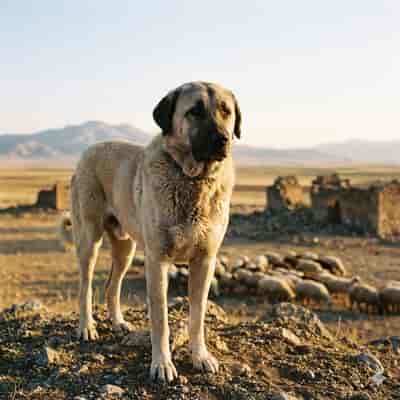
Is a Anatolian Shepherd Dog Right for You?
Personality traits, family compatibility, and lifestyle match - everything you need to decide.
Is a Anatolian Shepherd Dog Right for You?
Take our 1-minute compatibility quiz based on real owner data
The Anatolian Shepherd Dog Personality
Personality traits reported by 4 Anatolian Shepherd Dog owners:
4 owners report this trait
3 owners report this trait
2 owners report this trait
2 owners report this trait
2 owners report this trait
2 owners report this trait
1 owners report this trait
1 owners report this trait
1 owners report this trait
Know Before You Commit
Important behavioral traits that potential owners should understand:
A differenza di un Golden Retriever che abbaia per avvisare e poi saluta, un Anatolian Shepherd abbaia per avvertire e poi passa alla difesa. Sono naturalmente diffidenti verso gli estranei. Senza una gestione impeccabile, questo può portare a problemi di responsabilità civile, specialmente con i corrieri o gli ospiti che entrano nella proprietà senza preavviso.
Questa razza è notturna per natura. Il loro compito è pattugliare il perimetro mentre il gregge dorme. In un ambiente suburbano, questo si manifesta come abbaio forte e ripetuto alle 2 di notte perché una foglia ha attraversato il vialetto o un vicino ha avviato la macchina. Questa è la principale causa di litigi con i vicini e di abbandono.
I maschi Anatolian, in particolare, sono inclini a un'aggressività severa verso altri cani maschi una volta raggiunta la maturità sessuale (18-24 mesi). Spesso non è 'addestrabile', ma piuttosto un requisito di gestione come stile di vita.
Non sono ansiosi di compiacere. Se li chiamate e percepiscono una minaccia (o semplicemente non vedono il motivo di venire), vi ignoreranno. Sono stati allevati per lavorare senza istruzioni umane per settimane.
Family Compatibility
How Anatolian Shepherd Dogs typically interact with different family members and pets:
Children (0-5 years)
Anatolian Shepherd Dogs are typically patient and gentle with young children - always supervise interactions
Tip: Teach children to be gentle, never disturb during eating or sleeping
Children (5-12 years)
Excellent playmates! Anatolian Shepherd Dogs often bond strongly with school-age children
Tip: Great age to involve kids in feeding, grooming, and training
Teenagers
Anatolian Shepherd Dogs typically do well with teenagers who can help with exercise and care
Tip: Teens can take on walking and training responsibilities
Other Dogs
Most Anatolian Shepherd Dogs can live harmoniously with other dogs when properly introduced
Tip: Gradual introductions on neutral territory work best
Cats
High prey drive may make cat cohabitation challenging
Tip: Early socialization with cats increases success
Small Pets (rabbits, hamsters)
Caution advised - most dogs have some prey instinct toward small animals
Tip: Always keep small pets securely housed when dog is present
Living Situation Compatibility
Apartment
Anatolian Shepherd Dogs may find apartment living challenging
- Daily walks are essential
- Generally quiet indoors
- Mental stimulation important
House with Yard
Ideal setup for most Anatolian Shepherd Dogs - space to play and explore
- Secure fencing required
- Supervised outdoor time recommended
- Still needs walks for enrichment
Rural/Farm
Anatolian Shepherd Dogs thrive with lots of space to run
- Good recall training essential
- Watch for wildlife
- Plenty of room to exercise
First-Time Owner
Anatolian Shepherd Dogs may be better suited for experienced owners
- Consider professional training
- Research breed thoroughly
- Be prepared for challenges
Work From Home
Anatolian Shepherd Dogs love having their people around all day
- Set boundaries for work time
- Schedule regular breaks for play
- Create a comfortable space for them
Away 8+ Hours
Anatolian Shepherd Dogs may struggle with long alone time - prone to boredom and anxiety
- Dog walker or daycare strongly recommended
- Puzzle toys essential
- Consider a companion pet
Training Your Anatolian Shepherd Dog
Independent Thinker
Intelligent but may have their own agenda - not for novice owners
Training Tips:
- Establish yourself as leader early
- Make training fun and rewarding
- Consider professional help
- Be very patient and consistent
Common Challenges:
- May ignore commands if uninterested
- Requires experienced handler
- Need strong boundaries
Pro tip: Consider professional training classes, especially for first-time Anatolian Shepherd Dog owners. Group classes also provide valuable socialization.
Behavioral Patterns to Know
Some behaviors reported by Anatolian Shepherd Dog owners that may need attention:
Destructive
May chew or destroy items when bored or anxious
How to manage:
- Provide appropriate chew toys
- Crate train for alone time
Pulling the leash
Tendency to pull on leash during walks
How to manage:
- Use front-clip harness
- Practice loose-leash walking
Excessive Barking
Tendency to vocalize - may alert bark or bark for attention
How to manage:
- Train "quiet" command early
- Provide mental stimulation
Remember: These percentages show how many owners report this behavior, not severity. Most can be managed with proper training.
Exercise Needs
Needs 60-90 minutes of daily exercise
Recommended Activities:
- Daily walks (vary routes for mental stimulation)
- Fetch and interactive play
- Hiking, running, or dog sports
- Puzzle toys and training sessions
Mental Stimulation
Anatolian Shepherd Dogs are intelligent dogs that need mental challenges to stay happy and prevent boredom-related behaviors.
Ideas:
- Puzzle feeders and treat-dispensing toys
- Short training sessions (10-15 min)
- Nose work and scent games
- New environments and experiences