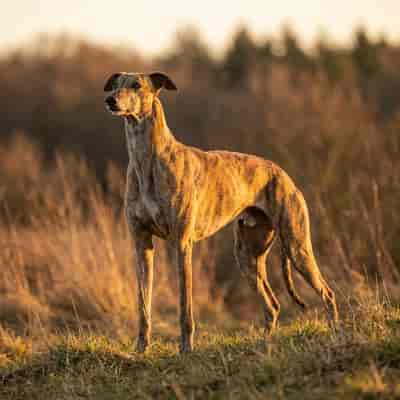

Is a Greyhound Right for You?
Personality traits, family compatibility, and lifestyle match - everything you need to decide.
Is a Greyhound Right for You?
Take our 1-minute compatibility quiz based on real owner data
Know Before You Commit
Important behavioral traits that potential owners should understand:
Questa è la ragione più comune per la restituzione dei Greyhound da corsa in pensione. La maggior parte degli ex-corridori non è mai stata sola nella propria vita; nascono in una cucciolata, crescono in branco e vengono tenuti in canile con altri cani. Essere lasciati completamente soli in una casa silenziosa può indurre panico, portando a distruzione, ululati e sporcizia in casa.
Molti Greyhound dormono con gli occhi aperti e cadono in cicli REM profondi. Poiché spesso non vengono manipolati mentre dormono nei canili, possono reagire in modo difensivo (ringhiando, mordendo) se vengono toccati o spaventati durante il sonno. Questo li rende un rischio per le famiglie con bambini piccoli che potrebbero non rispettare la regola 'non svegliare i cani che dormono'.
Un comportamento peculiare comune in cui un Greyhound pianta le zampe e si rifiuta di muoversi durante una passeggiata. Spesso è una risposta all'essere sopraffatti, ansiosi o semplicemente decidere che la passeggiata è finita. Non è testardaggine nel senso tradizionale, ma una risposta di chiusura.
Anche i Greyhound che convivono pacificamente con cani piccoli al chiuso possono vederli come prede se il cane piccolo corre, guaisce o si muove in modo erratico all'esterno. La transizione da 'amico' a 'preda' può avvenire istantaneamente.
Family Compatibility
How Greyhounds typically interact with different family members and pets:
Children (0-5 years)
Greyhounds may need careful introduction and supervision with young children
Tip: Teach children to be gentle, never disturb during eating or sleeping
Children (5-12 years)
Can be good with older children who understand how to interact with dogs
Tip: Great age to involve kids in feeding, grooming, and training
Teenagers
Greyhounds typically do well with teenagers who can help with exercise and care
Tip: Teens can take on walking and training responsibilities
Other Dogs
Most Greyhounds can live harmoniously with other dogs when properly introduced
Tip: Gradual introductions on neutral territory work best
Cats
Can learn to live with cats, especially if raised together
Tip: Early socialization with cats increases success
Small Pets (rabbits, hamsters)
Caution advised - most dogs have some prey instinct toward small animals
Tip: Always keep small pets securely housed when dog is present
Living Situation Compatibility
Apartment
Greyhounds can adapt well to apartment living with adequate exercise
- Daily walks are essential
- Generally quiet indoors
- Mental stimulation important
House with Yard
Ideal setup for most Greyhounds - space to play and explore
- Secure fencing required
- Supervised outdoor time recommended
- Still needs walks for enrichment
Rural/Farm
Greyhounds enjoy rural settings
- Good recall training essential
- Watch for wildlife
- Plenty of room to exercise
First-Time Owner
Greyhounds may be better suited for experienced owners
- Consider professional training
- Research breed thoroughly
- Be prepared for challenges
Work From Home
Greyhounds love having their people around all day
- Set boundaries for work time
- Schedule regular breaks for play
- Create a comfortable space for them
Away 8+ Hours
Greyhounds can handle being alone with proper setup
- Gradual training to be alone
- Enrichment toys
- Morning exercise before leaving
Training Your Greyhound
Independent Thinker
Intelligent but may have their own agenda - not for novice owners
Training Tips:
- Establish yourself as leader early
- Make training fun and rewarding
- Consider professional help
- Be very patient and consistent
Common Challenges:
- May ignore commands if uninterested
- Requires experienced handler
- Need strong boundaries
Pro tip: Consider professional training classes, especially for first-time Greyhound owners. Group classes also provide valuable socialization.
Exercise Needs
Needs 45-60 minutes of daily exercise
Recommended Activities:
- Daily walks (vary routes for mental stimulation)
- Fetch and interactive play
- Puzzle toys and training sessions
Mental Stimulation
Greyhounds are intelligent dogs that need mental challenges to stay happy and prevent boredom-related behaviors.
Ideas:
- Puzzle feeders and treat-dispensing toys
- Short training sessions (10-15 min)
- Nose work and scent games
- New environments and experiences