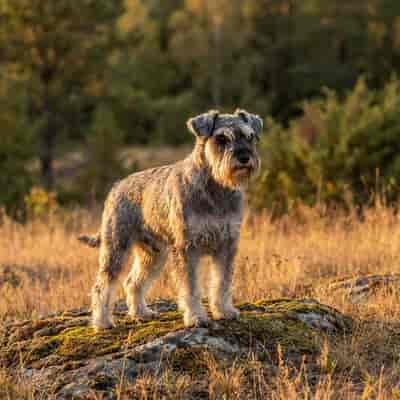

The Honest Truth
Before you fall in love, know what you're getting into.
Allevati come cani di guardia, gli Schnauzer Nano sono geneticamente programmati per abbaiare a qualsiasi cambiamento nel loro ambiente. Ciò può portare a lamentele per il rumore negli appartamenti se non viene gestito precocemente con l'addestramento.
La loro eredità di cacciatori di topi significa che possiedono la sequenza predatoria completa per i piccoli animali. Di solito non sono sicuri con criceti, porcellini d'India e possono molestare i gatti che scappano.
La toelettatura professionale ogni 6-8 settimane è imprescindibile, con un costo di 60-100 dollari per sessione. Nell'arco di una vita di 14 anni, ciò ammonta a 5.000-8.400 dollari solo in tagli di pelo.
Essendo vigili e vocali, spesso abbaiano e si lanciano contro altri cani durante le passeggiate. Di solito si tratta di una postura di frustrazione o paura piuttosto che di vera aggressione, ma richiede gestione.
Health Overview
View full health guide →Ownership Costs
View full breakdown →Includes food, insurance, vet visits, grooming, and supplies
Living Situation
With Other Pets
Climate & Seasonal Care
Le palle di neve si formano nel pelo delle zampe e tra i cuscinetti - doloroso. Tagliate il pelo delle zampe o usate stivaletti. Se rasato, può scottarsi al sole. Se lasciato lungo, può surriscaldarsi. Il taglio cucciolo è il migliore per l'estate.
Breed Origins
Living With a Schnauzer Nano
- Abbaiare eccessivo e lamentele per il rumore
- Morsi per paura dovuti a scarsa socializzazione
- Costo della toelettatura o gestione di diabete/calcoli
Exercise Menu
60-80 min/dayLife Stages
La sfida principale è la vocalizzazione - dovete addestrare il comando 'silenzio' fin dal primo giorno. La finestra critica di socializzazione è di 8-16 settimane per evitare che la diffidenza del cane da guardia si trasformi in reattività da paura.
Peak energy age: 1-3 years
Prime years - energy stabilizes but remains active
Invecchiando, il rischio di pancreatite e diabete aumenta. Potrebbero aver bisogno di insulina o una dieta estremamente rigorosa. Le cataratte possono causare perdita della vista ma si adattano bene.
First Year Reality Check
Travel & Adventure
Dimensioni ideali per i viaggi. Non può essere lasciato solo nelle camere d'albergo poiché abbaia ai rumori del corridoio.
Safety & Containment
Si raccomanda una recinzione fisica - sono degli scavatori. La recinzione invisibile non è raccomandata poiché l'istinto predatorio potrebbe farli attraversare la scossa.
Breeding Information
Special Abilities
Training Guide
- Mantenete le sessioni brevi e variate - si annoiano facilmente
- Non usate correzioni dure - potrebbero chiudersi o diventare difensivi
- Usate la motivazione alimentare ma fate attenzione al contenuto di grassi
- Noia con esercizi ripetitivi
- Manipolazione (vi addestrerà a dare bocconcini per smettere di abbaiare)
- Insegnare il comando 'silenzio'
Community Insights
No Schnauzer Nano insights yet
We're gathering data from real Schnauzer Nano owners. Be the first to share your experience!
Register your Schnauzer NanoFeatured Schnauzer Nanos
Be the first Schnauzer Nano creator!
No Schnauzer Nanos registered yet. Join Dogfluence and showcase your furry friend to brands.
Start creatingCare Tips for Schnauzer Nanos
Toelettatura Regolare: Gli Schnauzer Nano hanno un doppio mantello duro che richiede toelettatura regolare per mantenere la sua texture e aspetto. Spazzolate il mantello 2-3 volte a settimana e programmate una toelettatura professionale ogni 6-8 settimane per spuntare a mano o tagliare il mantello e mantenere la loro iconica barba e sopracciglia.
Esercizio Quotidiano: Nonostante le dimensioni ridotte, gli Schnauzer Nano hanno bisogno di 60-80 minuti di attività giornaliera che combinino esercizio fisico e stimolazione mentale. Brevi passeggiate, tempo di gioco e giocattoli puzzle li mantengono felici.
Addestramento Costante: Iniziate l'addestramento e la socializzazione del vostro Schnauzer Nano fin da giovane. Sono intelligenti e rispondono bene al rinforzo positivo, ma possono essere testardi. La costanza è fondamentale.
Breed Characteristics
Not the Right Fit?

Frequently Asked Questions
Join as a Schnauzer Nano Creator
Love your Schnauzer Nano? Join thousands of dogfluencers and get sponsored by top pet brands!
Registra il mio canale