
The Honest Truth
Before you fall in love, know what you're getting into.
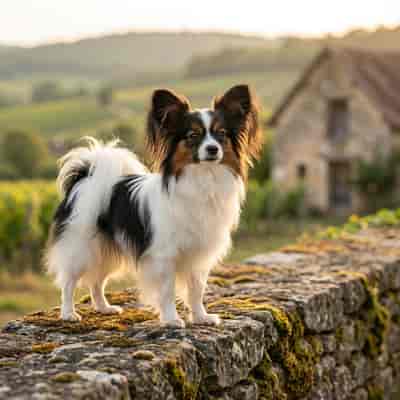
I Papillons possiedono un'audacia che supera sproporzionatamente la loro taglia. Sfideranno cani molto più grandi, il che può portare a conseguenze tragiche se non vengono protetti. Questa è una vera fiducia territoriale, non un 'abbaiare molesto'.
Questa è una razza 'velcro' allevata per secoli come cane da grembo per la nobiltà. Non tollerano bene l'isolamento. I proprietari che lavorano 8 ore o più fuori casa spesso scoprono che il loro Papillon sviluppa comportamenti di grave angoscia.
Sebbene non siano abbaiatori senza senso, sono cani da guardia vigili. Annunceranno ogni camion di consegna, campanello e passante. In appartamenti con pareti sottili, questo può diventare un problema con il contratto di affitto.
A differenza dei robusti Golden Retriever, i Papillons non possono essere maneggiati in modo brusco. Mordono rapidamente se vengono afferrati con rudezza, il che li rende una scelta sbagliata per le famiglie con bambini piccoli che mancano di controllo degli impulsi.
Health Overview
View full health guide →Ownership Costs
View full breakdown →Includes food, insurance, vet visits, grooming, and supplies
Living Situation
With Other Pets
Climate & Seasonal Care
MAGLIONI/GIACCHE OBBLIGATORI a temperature sotto i 7°C - nessun sottopelo isolante. Il sale sulle strade può ferire le loro zampe. Più vicini al suolo significa che assorbono più calore riflesso in estate.
Breed Origins
Living With a Papillon
- Morte/malattia del proprietario (comune con proprietari anziani)
- Morsi per paura quando maneggiati bruscamente dai bambini
- Abbaiare eccessivo incompatibile con i vicini di appartamento
Exercise Menu
50-65 min/dayLife Stages
Fisicamente fragile - il rischio principale è il trauma per essere lasciato cadere o calpestato. I cuccioli in dentizione rosicchieranno chirurgicamente i cavi elettrici. La vescica piccola significa incidenti per 6-8 mesi.
Peak energy age: 1-5 years
Prime years - energy stabilizes but remains active
Razza longeva (14-16 anni). Le rampe per i mobili diventano essenziali per prevenire infortuni da salti. Qualche rischio di confusione in età molto avanzata.
First Year Reality Check
Travel & Adventure
CANDIDATO PERFETTO per i viaggi aerei - dimensione ideale per voli in cabina (<7 kg). Non inviare mai come bagaglio in stiva. Può gestire escursioni di 5-8 km ma potrebbe dover essere portato in braccio su grandi ostacoli.
Safety & Containment
Scappare dalla porta è un grande rischio - sono veloci e piccoli. La reattività al guinzaglio è comune per il senso di vulnerabilità. Mai fidarsi nei parchi per cani a causa del 'Complesso del Cane Grande'.
Breeding Information
Special Abilities
Training Guide
- Non usare mai correzioni dure - sono anime sensibili
- Usa la loro intelligenza - ADORANO imparare nuovi trucchi
- L'addestramento in gabbia è altamente raccomandato per l'addestramento alla pulizia
- Tappetini igienici/lettiera validi per chi vive in grattacieli
- Sensibili - le correzioni dure causano chiusura o difensività
- Manipolatori - imparano rapidamente ad addestrare TE a dare premi
- L'addestramento alla pulizia può essere impegnativo a causa delle vesciche piccole
Community Insights
No Papillon insights yet
We're gathering data from real Papillon owners. Be the first to share your experience!
Register your PapillonFeatured Papillons
Be the first Papillon creator!
No Papillons registered yet. Join Dogfluence and showcase your furry friend to brands.
Start creatingCare Tips for Papillons
Spazzola il loro pelo setoso 2-3 volte alla settimana per evitare i nodi, in particolare dietro le caratteristiche orecchie a forma di farfalla.
La pulizia dei denti quotidiana è irrinunciabile - le razze toy hanno un alto rischio di malattie dentali.
Fornisci 50-65 minuti di attività quotidiana: 35 minuti di esercizio fisico più 20 minuti di stimolazione mentale attraverso l'addestramento a trucchi o giocattoli puzzle.
Breed Characteristics
More Papillon Resources
Papillon Costs
Calculate the true cost of ownership
Papillon Health
Common health issues & prevention
Papillon Grooming
Coat care & grooming tips
Papillon Food
Nutrition & diet recommendations
Papillon Temperament
Personality & behavior traits
Papillon Name Ideas
Find the perfect name for your Papillon
Papillon Hashtags
Top Instagram hashtags for Papillon posts
Not the Right Fit?




Frequently Asked Questions
Join as a Papillon Creator
Love your Papillon? Join thousands of dogfluencers and get sponsored by top pet brands!
Registra il mio canale