The Honest Truth
Before you fall in love, know what you're getting into.
Questa razza è vocalmente prolifica. Abbaiano per allertare, esprimere eccitazione, noia, frustrazione e per condurre oggetti in movimento. Questo è genetico e non può essere completamente eliminato con l'addestramento. Se vivete in un alloggio con restrizioni di rumore, questa razza è una cattiva scelta.
Gli Shelties sono eccezionalmente sensibili al loro ambiente. L'addestramento duro o le case caotiche li portano a diventare reattivi per paura, a mordere gli estranei o a sviluppare fobie estreme per il rumore (temporali, aspirapolvere).
Come cani da pastore, gli Shelties hanno una sequenza predatoria interrotta che enfatizza l'inseguimento e il morso. Possono istintivamente mordere i talloni dei bambini che corrono, dei jogger o dei ciclisti.
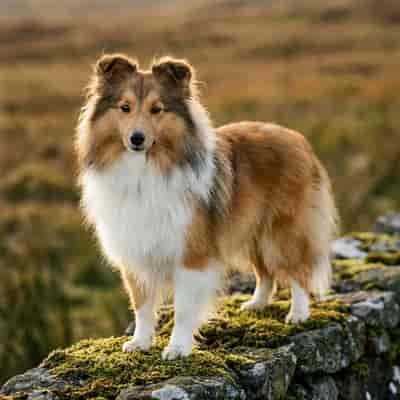
La spazzolatura settimanale in profondità è necessaria, quotidianamente durante la muta. Le persone li acquistano per l'aspetto 'Lassie' ma non mantengono il pelo, portando a nodi gravi ed eventuale abbandono.
Health Overview
View full health guide →Ownership Costs
View full breakdown →Includes food, insurance, vet visits, grooming, and supplies
Living Situation
With Other Pets
Climate & Seasonal Care
Prospera in climi freddi (5/5 tolleranza al freddo). Il doppio pelo intrappola il calore – l'esercizio deve essere limitato a >25°C. La neve può formare palle di ghiaccio nelle piume delle zampe – tagliare i cuscinetti per prevenire le palle di ghiaccio.
Breed Origins
Living With a Shetland Sheepdog
- Abbaio – i proprietari sottovalutano il volume e la frequenza
- Pelo/toelettatura – non mantenere il pelo porta a nodi gravi
- Sensibilità al rumore in ambienti urbani
Exercise Menu
60-90 min/dayLife Stages
Intelligenti e facili da addestrare in casa (spesso entro i 4 mesi). Punteggio 5/10 per sensibilità al rumore e timidezza – bisogna difenderli durante la socializzazione. Forzare situazioni spaventose può rovinare il temperamento.
Peak energy age: 1-3 years
Prime years - energy stabilizes but remains active
Generalmente anziani in buona salute. Monitorare artrite e perdita di vista/udito a partire dai 9+ anni.
First Year Reality Check
Travel & Adventure
Alcuni cuccioli soffrono il mal d'auto. Viaggiare in trasportino è il più sicuro per evitare abbai alle auto che passano. Ottima resistenza per l'escursionismo ma necessitano di clima fresco. Il campeggio funziona ma gli abbai di allerta ad ogni foglia che fruscia possono infastidire i vicini.
Safety & Containment
Veloci e capaci di infilarsi in piccole aperture. L'istinto di pascolo può sovrascrivere il richiamo – senza guinzaglio vicino al traffico è pericoloso. La reattività al guinzaglio è spesso 'pascolo reattivo' piuttosto che vera aggressione.
Breeding Information
Special Abilities
Training Guide
- Mantenere le sessioni brevi, divertenti e variate
- Addestrare il comando 'silenzio' come priorità
- Usare la loro alta motivazione alimentare ma controllare le porzioni (soggetti all'obesità)
- Iniziare presto la socializzazione per costruire la fiducia ma non forzare situazioni spaventose
- Sensibili – le correzioni dure causano chiusura o reattività da paura
- Più intelligenti di molti proprietari – se incoerente, addestrerranno VOI (abbaiare per chiedere premi)
- Gli esercizi ripetitivi li annoiano
Community Insights
No Shetland Sheepdog insights yet
We're gathering data from real Shetland Sheepdog owners. Be the first to share your experience!
Register your Shetland SheepdogFeatured Shetland Sheepdogs
Be the first Shetland Sheepdog creator!
No Shetland Sheepdogs registered yet. Join Dogfluence and showcase your furry friend to brands.
Start creatingCare Tips for Shetland Sheepdogs
Fornire 60-90 minuti di esercizio quotidiano inclusi passeggiate, riporto e stimolazione mentale attraverso l'addestramento di trucchi o il lavoro olfattivo.
Spazzolare il pelo in profondità settimanalmente (fino alla pelle) – quotidianamente durante la muta primaverile/autunnale. I nodi sono dolorosi e portano all'abbandono.
Insegnare il comando 'silenzio' presto – gli Shelties sono abbaiatori notori. Abbaiano per allertare, giocare ed esprimere ogni emozione.
CRITICO: Testare la sensibilità al farmaco MDR1 prima di qualsiasi medicazione – farmaci comuni come l'Ivermectina possono essere fatali per il ~15% degli Shelties.
Breed Characteristics
More Shetland Sheepdog Resources
Shetland Sheepdog Costs
Calculate the true cost of ownership
Shetland Sheepdog Health
Common health issues & prevention
Shetland Sheepdog Grooming
Coat care & grooming tips
Shetland Sheepdog Food
Nutrition & diet recommendations
Shetland Sheepdog Temperament
Personality & behavior traits
Shetland Sheepdog Name Ideas
Find the perfect name for your Shetland Sheepdog
Shetland Sheepdog Hashtags
Top Instagram hashtags for Shetland Sheepdog posts
Not the Right Fit?


Frequently Asked Questions
Join as a Shetland Sheepdog Creator
Love your Shetland Sheepdog? Join thousands of dogfluencers and get sponsored by top pet brands!
Registra il mio canale