ModerateOcchi & Vista
Progressive Retinal Atrophy (PRA) in Dogs
An inherited eye disease causing gradual vision loss leading to blindness. The condition affects the photoreceptors in the retina and has no cure.
Affected Breeds12
Available Tests9
Dog Breeds Affected by Progressive Retinal Atrophy (PRA)
Data from 12 breed health profiles

Portuguese Water Dog
14.2% carriers prevalence

Aussiedoodle
Unknown prevalence
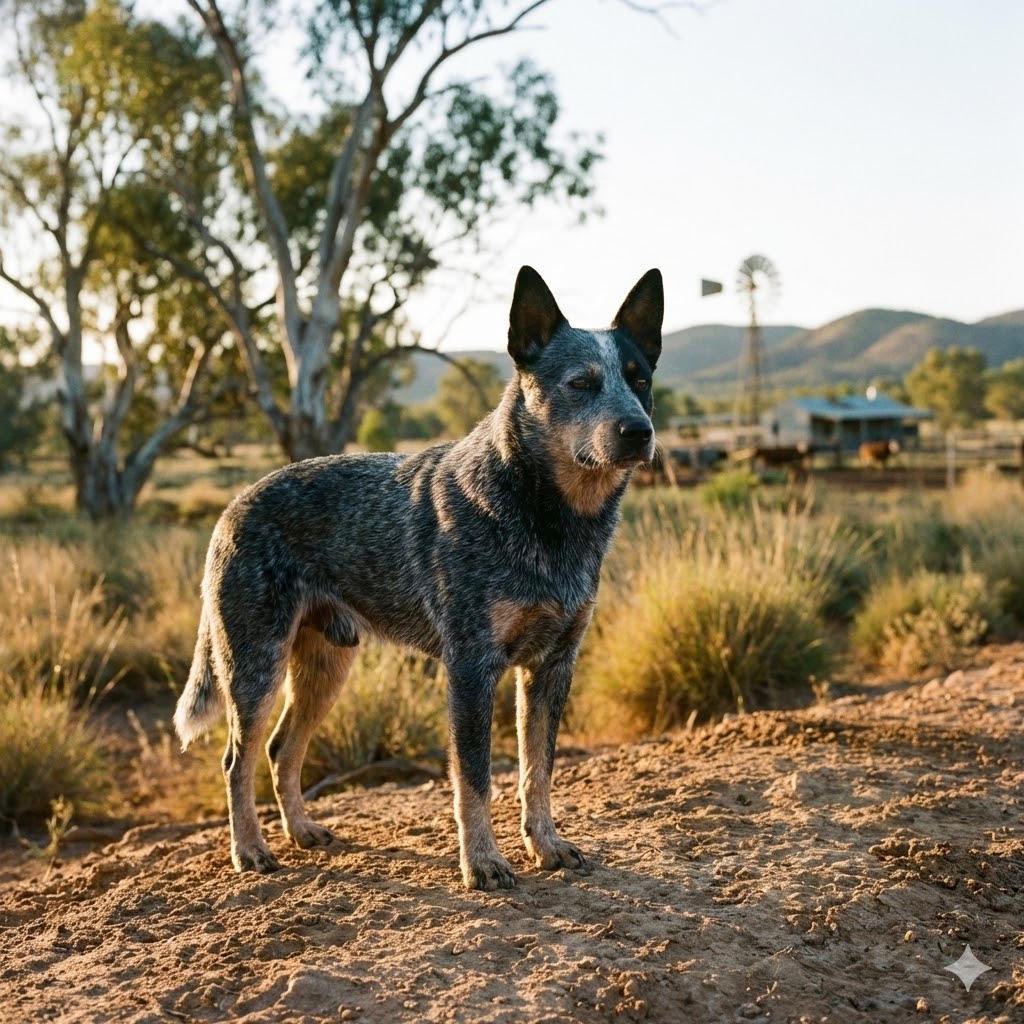
Australian Cattle Dog
Common prevalence

Cardigan Welsh Corgi
Genetic prevalence

Cocker Spaniel
Variable prevalence

English Springer Spaniel
Variable prevalence

Miniature Pinscher
Variable prevalence

Papillon
Genetic - testable prevalence

Pembroke Welsh Corgi
Genetic prevalence

Shih-Poo
Moderate prevalence

Vizsla
Causes blindness prevalence

Whippet
Moderate prevalence
Symptoms to Watch For
- Night blindness first
- Dilated pupils
- Reluctance to go in dark areas
- Bumping into objects
If you notice any of these symptoms in your dog, consult your veterinarian promptly.
Prevention & Management
Genetic testing before breeding
DNA tests available for many breeds
Adapt home for blind dog if affected
Ask Breeder For These Tests
When purchasing a puppy, ask breeders for documentation of these health clearances.
Eye ExaminationAnnual CAER eye examsEye exam (CERF/OFA)OFA Eye certification (CAER)Eye exam (CERF)Annual Eye Exams (CAER)PRA-prcd (eye blindness)CERF/CAER EyesCERF Eye Exam (breeding dogs)
Reputable breeders should provide documentation for genetic tests. Don't purchase a puppy without seeing health clearances.
Related Health Issues
Frequently Asked Questions
What is Progressive Retinal Atrophy (PRA) in dogs?
An inherited eye disease causing gradual vision loss leading to blindness. The condition affects the photoreceptors in the retina and has no cure.
Which dog breeds are most affected by Progressive Retinal Atrophy (PRA)?
Based on breed health data, Progressive Retinal Atrophy (PRA) is commonly reported in Portuguese Water Dog, Aussiedoodle, Australian Cattle Dog, and 9 other breeds. Some breeds may have higher prevalence rates than others.
How can I prevent Progressive Retinal Atrophy (PRA) in my dog?
Prevention strategies include: Genetic testing before breeding; DNA tests available for many breeds; Adapt home for blind dog if affected. Always consult with your veterinarian for personalized advice.
What are the symptoms of Progressive Retinal Atrophy (PRA)?
Common symptoms include: Night blindness first; Dilated pupils; Reluctance to go in dark areas; Bumping into objects. If you notice any of these signs, consult your veterinarian promptly.
Medical Disclaimer
This information is for educational purposes only and is not a substitute for professional veterinary advice. Always consult with a qualified veterinarian for diagnosis and treatment of health conditions in your dog.
All Issues
Browse directory
Top Issues
Most common conditions
Dog Breeds
Breed health profiles