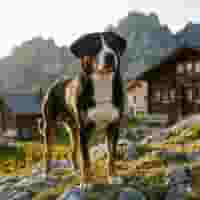

Problemi di salute e prevenzione del Appenzeller Sennenhund
Problemi di salute comuni, sintomi da osservare e come mantenere sano il tuo Appenzeller Sennenhund.
Problemi di salute comuni nel Appenzeller Sennenhund
Basato su ricerca veterinaria e studi sulla salute della razza
A genetic condition where the hip joint doesn't develop properly, causing the ball and socket to grind instead of sliding smoothly.
Sintomi da tenere d'occhio
- Limping or bunny-hopping gait
- Difficulty rising or jumping
- Reduced activity or reluctance to exercise
- Loss of muscle mass in hind legs
Consigli di prevenzione
- Maintain healthy weight
- Avoid over-exercising puppies
- Use joint supplements (glucosamine)
- Choose reputable breeders with hip-tested parents
Abnormal development of the elbow joint, often genetic, leading to arthritis and lameness.
Sintomi da tenere d'occhio
- Front leg lameness
- Swelling around elbow
- Reduced range of motion
- Reluctance to play or exercise
Consigli di prevenzione
- Controlled growth rate in puppies
- Avoid jumping/stairs for young dogs
- Maintain ideal body weight
- Genetic screening before breeding
A health condition that may affect some Appenzeller Sennenhunds based on owner reports.
Sintomi da tenere d'occhio
- Behavioral changes
- Physical discomfort
- Changes in appetite or activity
Consigli di prevenzione
- Regular vet checkups
- Maintain healthy lifestyle
- Early detection through monitoring
Inherited eye disease causing gradual vision loss leading to blindness, with no cure available.
Sintomi da tenere d'occhio
- Night blindness first
- Dilated pupils
- Reluctance to go in dark areas
- Bumping into objects
Consigli di prevenzione
- Genetic testing before breeding
- No known prevention
- DNA testing available
- Adapt home for blind dog
Gastric Dilatation-Volvulus is a life-threatening condition where the stomach fills with gas and may twist, cutting off blood supply.
Sintomi da tenere d'occhio
- Distended abdomen
- Unproductive retching
- Restlessness and pacing
- Rapid breathing
Consigli di prevenzione
- Feed multiple small meals
- Avoid exercise after eating
- Use slow-feeder bowls
- Prophylactic gastropexy in high-risk breeds
Test genetici consigliati
Ask breeders for these health clearances before purchasing a puppy
Appenzeller Sennenhunds may be prone to:
General Health Concerns
Regular vet visits help catch issues early
Timeline salute del Appenzeller Sennenhund
A cosa prestare attenzione in ogni fase di vita per mantenere sano il tuo Appenzeller Sennenhund.
Puppy
0-1 year
- Complete vaccination series
- Spay/neuter discussion with vet
- Socialization and training foundation
- Deworming and parasite prevention
- Establish dental care routine
Every 3-4 weeks until 16 weeks, then at 6 and 12 months
Adult
1-7 years
- Annual wellness exams and vaccinations
- Dental cleaning as needed
- Maintain healthy weight
- Watch for early signs of breed-specific conditions
- Regular heartworm and flea prevention
Annually, more often if concerns arise
Senior
7+ years
- Bi-annual wellness exams
- Blood work and organ function screening
- Joint supplements and pain management
- Adjust diet for senior needs
- Watch for common age-related conditions in Appenzeller Sennenhunds
Every 6 months, with comprehensive bloodwork annually
Domande da fare al tuo veterinario sui Appenzeller Sennenhund
What breed-specific health screenings do you recommend?
Are there any genetic tests available for common Appenzeller Sennenhund conditions?
What's the ideal weight range for my Appenzeller Sennenhund?
When should we start joint supplements or senior care?
What early warning signs should I watch for based on the breed's health profile?
Do you recommend pet insurance for Appenzeller Sennenhunds?
Domande frequenti
What are the most common health issues in Appenzeller Sennenhunds?
How long do Appenzeller Sennenhunds typically live?
Are Appenzeller Sennenhunds prone to allergies?
How often should I take my Appenzeller Sennenhund to the vet?
Should I get pet insurance for my Appenzeller Sennenhund?
Incorpora questo widget sulla salute
Add Appenzeller Sennenhund health info to your website
<iframe src="https://dogfluence.com/embed/breed-health/appenzeller-sennenhund" width="400" height="500" frameborder="0" style="border-radius: 12px; box-shadow: 0 2px 8px rgba(0,0,0,0.1);"></iframe>