Serious整形外科・関節
Elbow Dysplasia in Dogs
Abnormal development of the elbow joint, often genetic, leading to arthritis and lameness. One of the most common causes of front leg lameness in large breeds.
Affected Breeds29
Available Tests33
Also known as: Elbow Dysplasia:
Dog Breeds Affected by Elbow Dysplasia
Data from 29 breed health profiles

Chow Chow
up to 48.6% prevalence
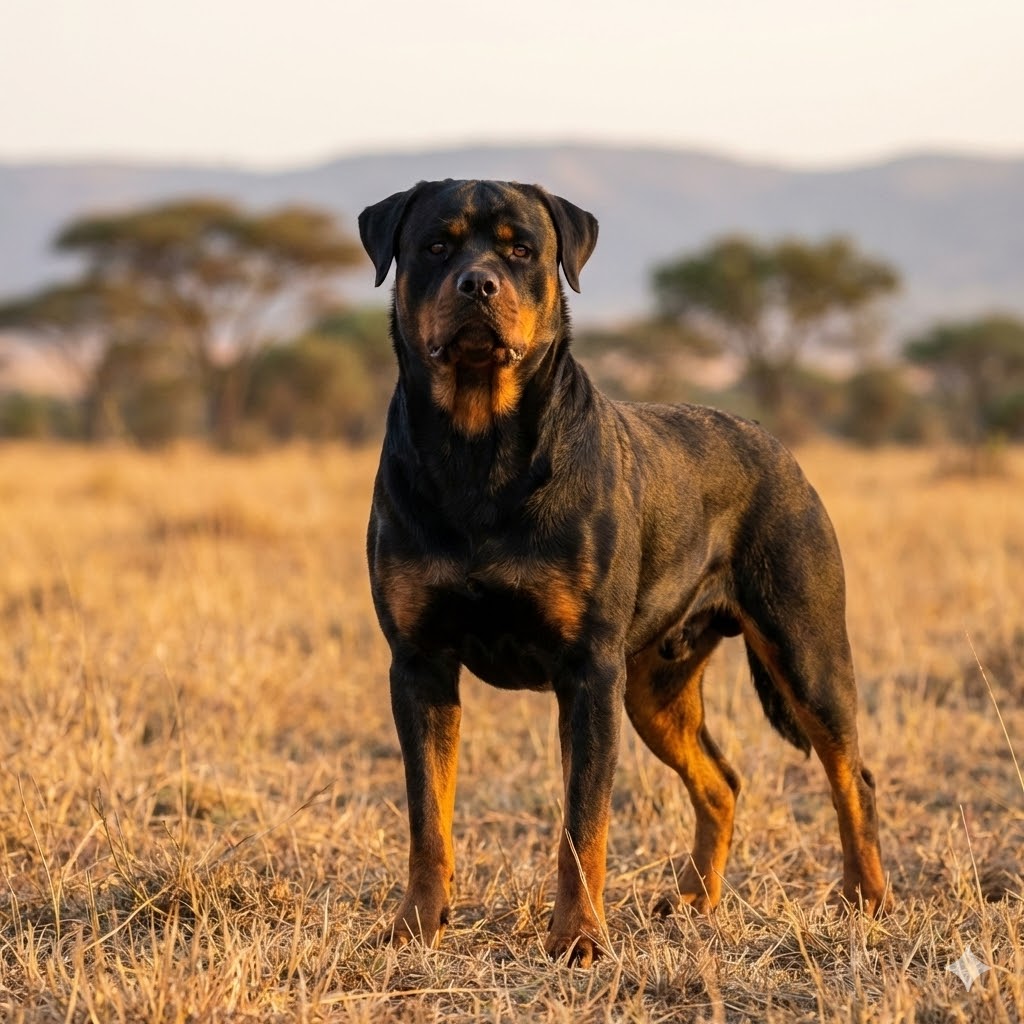
Rottweiler
38-39% prevalence

Black Russian Terrier
approx. 26% affected prevalence
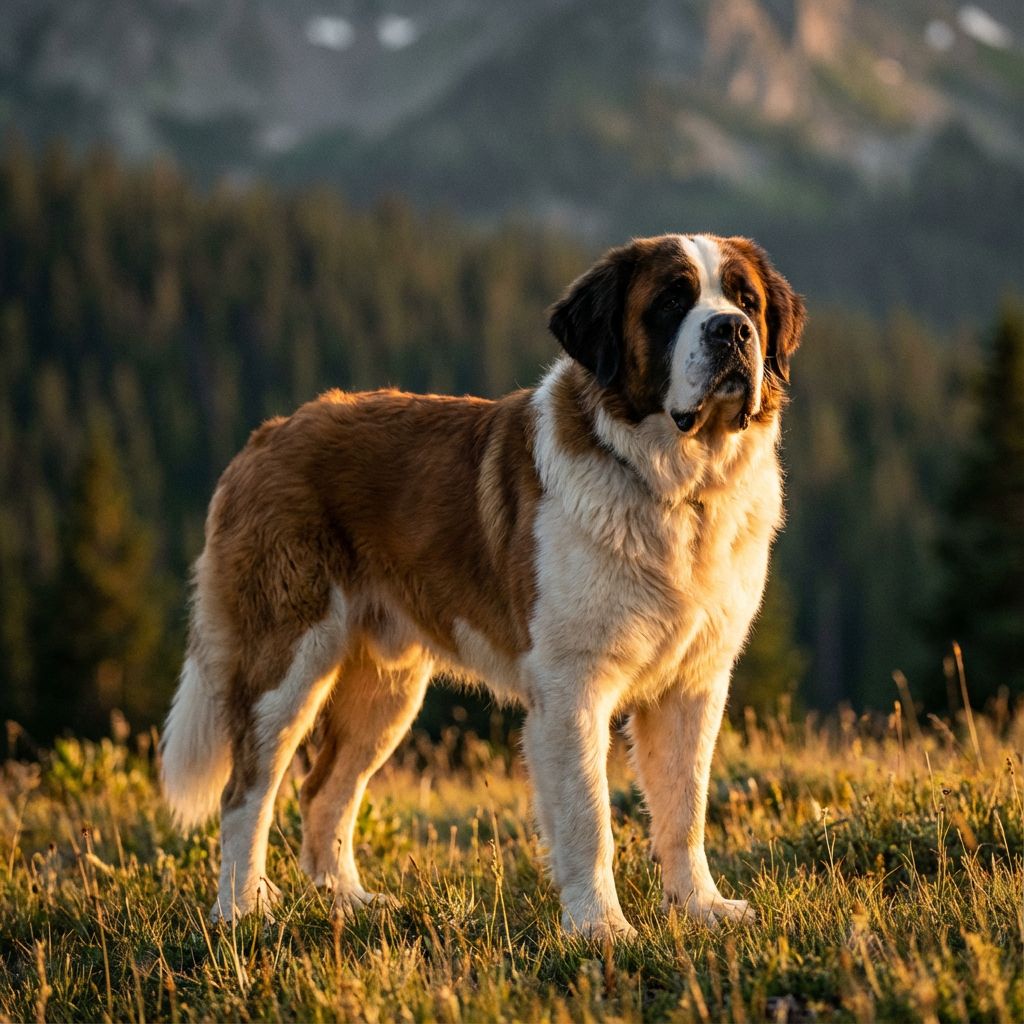
Saint Bernard
Prevalence: 20% prevalence
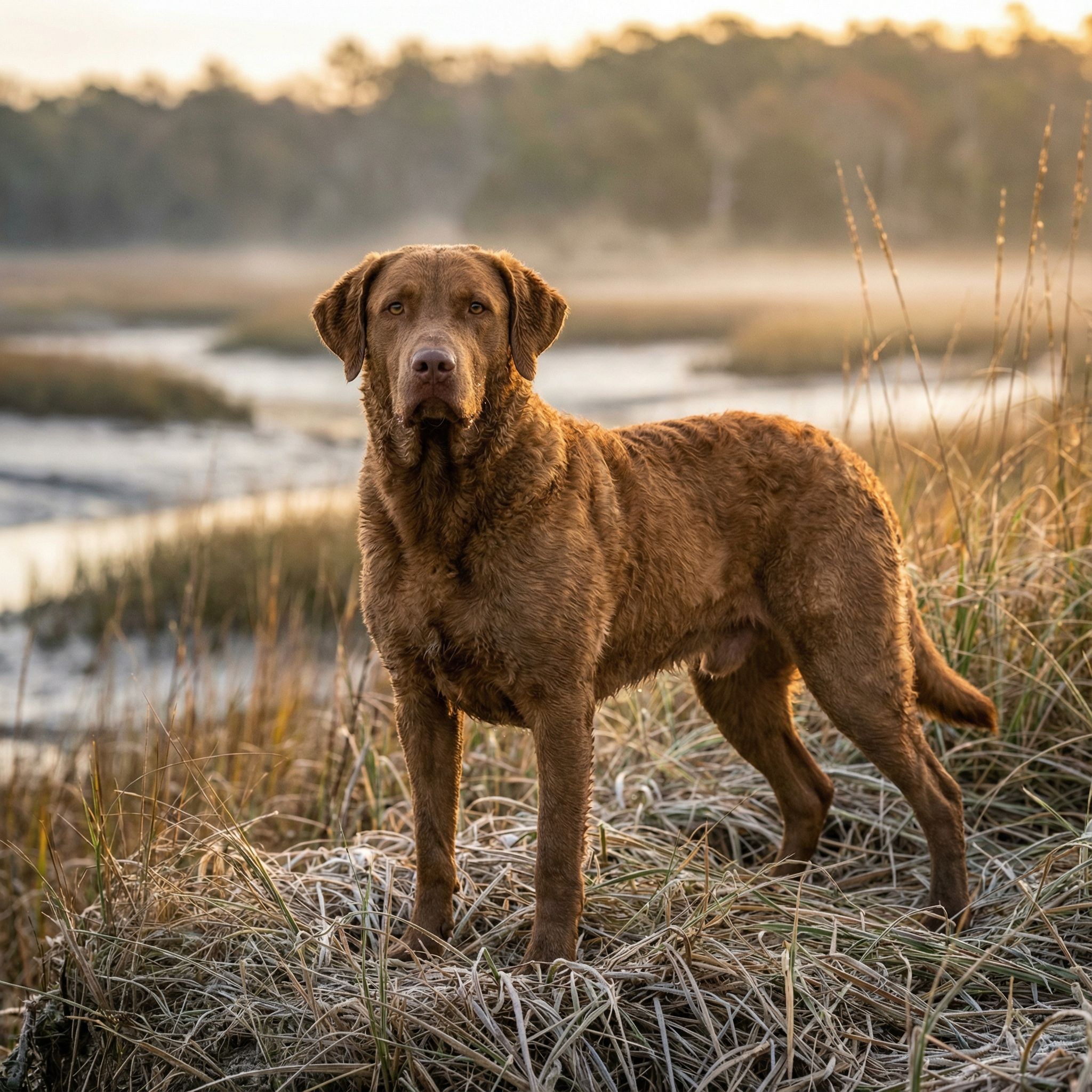
Chesapeake Bay Retriever
~18% prevalence

English Setter
16.5% prevalence

Cane Corso
15-20% prevalence

Mastiff
14.5% prevalence

English Springer Spaniel
12-15% prevalence
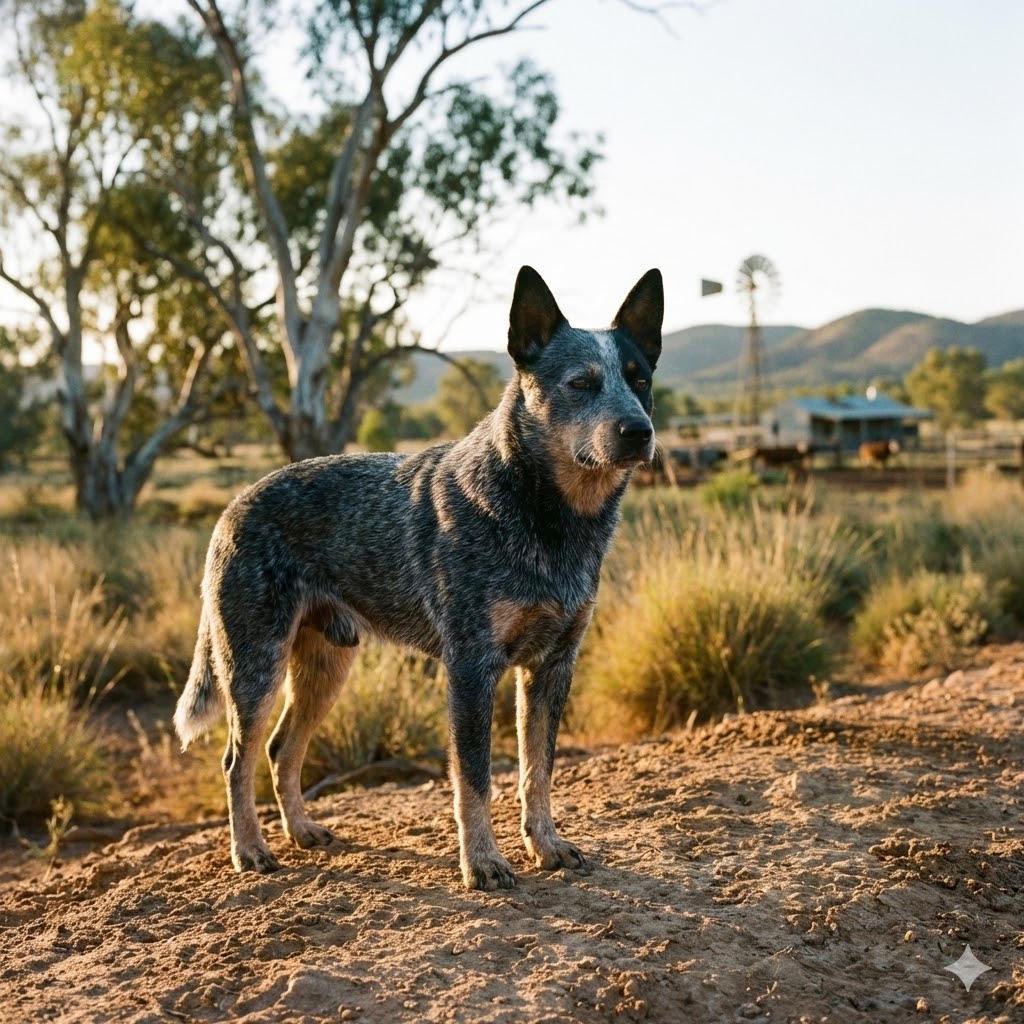
Australian Cattle Dog
~11.5% prevalence

Bouvier des Flandres
11.5% prevalence

Bracco Italiano
~11.5% prevalence prevalence
Symptoms to Watch For
- Front leg lameness
- Swelling around elbow
- Reduced range of motion
- Reluctance to exercise
If you notice any of these symptoms in your dog, consult your veterinarian promptly.
Prevention & Management
Controlled growth rate in puppies
Avoid jumping/stairs for young dogs
Maintain ideal body weight
Ask Breeder For These Tests
When purchasing a puppy, ask breeders for documentation of these health clearances.
Elbow EvaluationOFA/PennHIP scores for Hips and ElbowsOFA Thyroid panelsOFA Hips & ElbowsHip Evaluation (OFA)OFA hips/elbowsOFA Cardiac (Echo)OFA Eyes (CERF)Hip scoring (OFA/PennHIP)Elbow scoring (OFA/PennHIP)OFA HipsOFA ElbowsOFA or PennHIP scores (for parents)OFA/PennHIP (Hips)Hip and Elbow evaluationsOFA/PennHIP for hip/elbow dysplasiaHip/Elbow Scoring (OFA or PennHIP)OFA scores for Hip/Elbow DysplasiaOrthopedic Screening (OFA or PennHIP)Hip Evaluation (OFA or PennHIP)OFA/PennHIP hip evaluationOFA elbow evaluationHip & Elbow scores (OFA/SV)OFA Hip/Elbow evaluationsOFA or PennHIP scoresOFA Hip & Elbow evaluationsElbowsOFA or PennHIP for hips and elbowsHips (OFA or PennHIP) - CHIC requiredElbows X-rays - CHIC requiredHip and Elbow Evaluation (OFA/PennHIP)OFA/PennHIP certifications for hips and elbowsOFA/PennHIP for Hips and Elbows
Reputable breeders should provide documentation for genetic tests. Don't purchase a puppy without seeing health clearances.
Related Health Issues
Frequently Asked Questions
What is Elbow Dysplasia in dogs?
Abnormal development of the elbow joint, often genetic, leading to arthritis and lameness. One of the most common causes of front leg lameness in large breeds.
Which dog breeds are most affected by Elbow Dysplasia?
Based on breed health data, Elbow Dysplasia is commonly reported in Chow Chow, Rottweiler, Black Russian Terrier, and 26 other breeds. Some breeds may have higher prevalence rates than others.
How can I prevent Elbow Dysplasia in my dog?
Prevention strategies include: Controlled growth rate in puppies; Avoid jumping/stairs for young dogs; Maintain ideal body weight. Always consult with your veterinarian for personalized advice.
What are the symptoms of Elbow Dysplasia?
Common symptoms include: Front leg lameness; Swelling around elbow; Reduced range of motion; Reluctance to exercise. If you notice any of these signs, consult your veterinarian promptly.
Medical Disclaimer
This information is for educational purposes only and is not a substitute for professional veterinary advice. Always consult with a qualified veterinarian for diagnosis and treatment of health conditions in your dog.
All Issues
Browse directory
Top Issues
Most common conditions
Dog Breeds
Breed health profiles