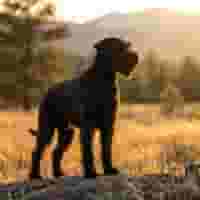

Giant Schnauzerの健康問題と予防
よくある健康問題、注意したい症状、Giant Schnauzerを健康に保つ方法を紹介します。
Giant Schnauzerによくある健康問題
獣医学研究と犬種健康調査に基づく
Abnormal cell growth that can affect various organs, more common in certain breeds and older dogs.
注意すべき症状
- Unusual lumps or bumps
- Unexplained weight loss
- Loss of appetite
- Lethargy or weakness
予防のヒント
- Regular vet checkups
- Monitor for lumps
- Spay/neuter may reduce some risks
- Healthy diet and lifestyle
A genetic condition where the hip joint doesn't develop properly, causing the ball and socket to grind instead of sliding smoothly.
注意すべき症状
- Limping or bunny-hopping gait
- Difficulty rising or jumping
- Reduced activity or reluctance to exercise
- Loss of muscle mass in hind legs
予防のヒント
- Maintain healthy weight
- Avoid over-exercising puppies
- Use joint supplements (glucosamine)
- Choose reputable breeders with hip-tested parents
Neurological disorder causing recurring seizures, often genetic but sometimes caused by other conditions.
注意すべき症状
- Seizures or convulsions
- Loss of consciousness
- Muscle twitching
- Confusion after episodes
予防のヒント
- No known prevention
- Genetic screening before breeding
- Identify and avoid triggers
- Medication controls symptoms
Underactive thyroid gland leading to metabolic slowdown, common in middle-aged dogs.
注意すべき症状
- Weight gain despite normal diet
- Lethargy
- Cold intolerance
- Skin and coat problems
予防のヒント
- Regular blood screening
- Thyroid checks at annual exam
- Iodine-balanced diet
- Early treatment prevents progression
Gastric Dilatation-Volvulus is a life-threatening condition where the stomach fills with gas and may twist, cutting off blood supply.
注意すべき症状
- Distended abdomen
- Unproductive retching
- Restlessness and pacing
- Rapid breathing
予防のヒント
- Feed multiple small meals
- Avoid exercise after eating
- Use slow-feeder bowls
- Prophylactic gastropexy in high-risk breeds
推奨される遺伝子検査
Ask breeders for these health clearances before purchasing a puppy
Giant Schnauzers may be prone to:
General Health Concerns
Regular vet visits help catch issues early
Giant Schnauzerの健康タイムライン
Giant Schnauzerを健康に保つため、各ライフステージで注意したいポイントです。
Puppy
0-1 year
- Complete vaccination series
- Spay/neuter discussion with vet
- Socialization and training foundation
- Deworming and parasite prevention
- Establish dental care routine
Every 3-4 weeks until 16 weeks, then at 6 and 12 months
Adult
1-7 years
- Annual wellness exams and vaccinations
- Dental cleaning as needed
- Maintain healthy weight
- Watch for early signs of breed-specific conditions
- Regular heartworm and flea prevention
Annually, more often if concerns arise
Senior
7+ years
- Bi-annual wellness exams
- Blood work and organ function screening
- Joint supplements and pain management
- Adjust diet for senior needs
- Watch for common age-related conditions in Giant Schnauzers
Every 6 months, with comprehensive bloodwork annually
Giant Schnauzerについての獣医への質問
What breed-specific health screenings do you recommend?
Are there any genetic tests available for common Giant Schnauzer conditions?
What's the ideal weight range for my Giant Schnauzer?
When should we start joint supplements or senior care?
What early warning signs should I watch for based on the breed's health profile?
Do you recommend pet insurance for Giant Schnauzers?
よくある質問
What are the most common health issues in Giant Schnauzers?
How long do Giant Schnauzers typically live?
Are Giant Schnauzers prone to allergies?
How often should I take my Giant Schnauzer to the vet?
Should I get pet insurance for my Giant Schnauzer?
この健康ウィジェットを埋め込む
Add Giant Schnauzer health info to your website
<iframe src="https://dogfluence.com/embed/breed-health/giant-schnauzer" width="400" height="500" frameborder="0" style="border-radius: 12px; box-shadow: 0 2px 8px rgba(0,0,0,0.1);"></iframe>