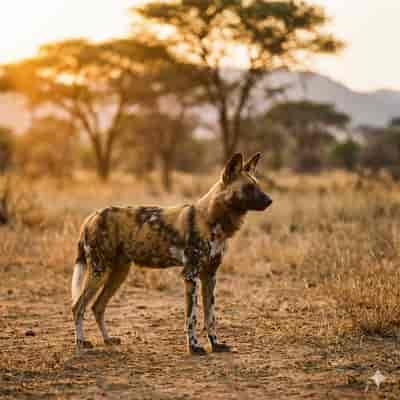
Africanis breed photo

Africanis

The African Hunting Dog, also known as the African Wild Dog or painted wolf, is a highly social and intelligent canine native to sub-Saharan Africa, renowned for its distinctive mottled coat, large rounded ears, and remarkable cooperative hunting strategies. As one of the most efficient predators on the continent, this endangered species plays a crucial role in maintaining ecological balance within its habitat.

2.2
Size
Large
25-45kg
Grooming
Low Maintenance
Weekly brushing
Family
Great with Kids
Patient & gentle nature
Family-friendly

The Honest Truth

Before you fall in love, know what you're getting into.

ChallengeExtreme Independence

Unlike a Golden Retriever that looks to you for direction, an Africanis makes its own decisions. They are cooperative but not subservient. If you require a dog that obeys commands instantly for the sake of obedience, this breed will frustrate you.

ChallengeRoaming Instinct

These dogs evolved to roam freely around rural homesteads. They have a high "wanderlust" and are known escape artists. A secure fence (minimum 1.8m) is non-negotiable.

ChallengeStranger Wariness

They are naturally cautious of strangers. While rarely aggressive without cause, they will not greet your guests with a wagging tail immediately. They are watchdogs first, friends second.

ChallengePrey Drive

They have a functional prey drive. While they can bond with livestock (goats, cattle) if raised with them, they may view strange small animals (cats, rabbits) as food.

Aandoening % van het ras aangedaan
Tick-Borne DiseasesBiliary/Babesiosis, Ehrlichiosis
Ask breeder for:
Regular veterinary check-upsPhysical examination for Dermoid Sinus (for ridged puppies)Vaccination protocolRigorous tick control
Initial Cost
$1,000-2,500
BudgetAveragePremium
Monthly Cost
$80-160
LowModerateHigh
Estimated Yearly Cost
$960-1,920

Includes food, insurance, vet visits, grooming, and supplies

Living Situation

Apartment Living
Challenging - needs space
Work From Home
Suitable with adequate exercise
Alone Time
Moderate - 4-6 hours
First-Time Owner
Better for experienced owners

With Other Pets

Dogs
Generally friendly
Cats
Caution - may chase
Small Mammals
Supervision required
Birds & Reptiles
Caution advised

Climate & Seasonal Care

Heat Tolerance 5/5
Cold Tolerance 2/5
Winter Needs
Needs coat/boots
Summer Care
Normal activity OK
Seasonal Shedding
Medium

Adjust activities based on weather conditions.

Breed Origins

Origin
pariah dogs that migrated with Neolithic herders into the Nile Valley and then s
Original Purpose
The Africanis is a landrace, meaning it evolved through natural selection in a specific region (Sout

Living With a Africanis

Odor Level
Moderate
Coat Feel
Varies by coat type
Surrender Risk: Medium
  • Underestimated exercise needs
  • Behavioral challenges
  • Cost of care

Exercise Menu

60-90 min/day
Physical
60 minutes
Mental
15 minutes
Physical:60-90 min
60-90 minutes daily. They prefer **rhythmic movement**—jogging, hiking, or trotting alongside a bicycle. They are excellent hiking companions [cite: 11, 15].
Mental:15-20 min
They need "environmental surveillance" time. A walk where they can sniff, watch, and patrol is more valuable than repetitive fetch [cite: 20].
The "Off Switch":15-20 min
Unlike many working breeds, the Africanis has a metabolic off-switch. Inside the house, they are often couch potatoes, conserving energy for the next hunt or patrol [cite: 10].
Relationship-Based:15-20 min
You cannot drill an Africanis. They respond to **respect and partnership**. Positive reinforcement works, but they must see the *point* of the command [cite: 10, 15].
Recall Challenges:15-20 min
Their survival instinct to scan the horizon and follow scents often overrides recall commands. Off-leash reliability is low in unfenced areas [cite: 7].
Socialization:15-20 min
Critical window is 8-16 weeks. You must expose them to strangers, other dogs, and varied environments to prevent their natural caution from becoming fear-aggression [cite: 21].
Heat Tolerance (5/5):15-20 min
Evolved for the African sun. They thrive in heat that would wilt a Golden Retriever [cite: 22].
Cold Tolerance (2/5):15-20 min
Poor. They have a single coat and very little body fat. In winter climates, they **require** coats and warm indoor sleeping quarters [cite: 7, 11].

Life Stages

Puppy0-12 months

Africanis puppies require consistent training and patience.

Adolescent6-18 months

Peak energy age: 1-3 years

Adult2-8 years

Prime years - energy stabilizes but remains active

Senior8+ years

Senior care varies by individual health.

First Year Reality Check

4/10
Puppy Difficulty
Challenging
House Training
Medium
Crate Training Success
6-18
Destructive Phase (months)
This breed commonly experiences adolescent regression - training may temporarily regress around 6-18 months

Travel & Adventure

Car Travel
Good
Hiking Companion
Camping
Suitable
Beach Friendly
Yes
Cabin Eligible
Too large
Hotel Friendly
Yes

Adapts well to travel with proper preparation.

Safety & Containment

Dog Park
Suitable
Off-Leash
Not recommended
Escape Risk
Low
Min Fence Height
5-6 feet
Resource Guarding
Low
Small Animal Safe
Use caution

Proper containment and supervision recommended.

Breeding Information

6
Avg Litter Size
(range: 4-8)
Varies
C-Section Rate
Medium
Whelping Difficulty
Low
Puppy Mortality

Special Abilities

Canicross/Bikejoring Sensory Friendly Coat

Training Guide

Recommended Method
Positive reinforcement
Learning Speed
repetitions
Training Tips
  • Keep training sessions short and varied
Common Challenges
  • s:** Their survival instinct to scan the horizon and follow scents often overrides recall commands. Off-leash reliability is low in unfenced areas [cite: 7].

Community Insights

No Africanis insights yet

We're gathering data from real Africanis owners. Be the first to share your experience!

Register your Africanis

Featured Africaniss

Be the first Africanis creator!

No Africaniss registered yet. Join Dogfluence and showcase your furry friend to brands.

Start creating

Care Tips for Africaniss

Tip #1

Ensure regular exercise for your Africanis.

Tip #2

Provide a balanced diet appropriate for their size and energy level.

Tip #3

Regular grooming and veterinary check-ups are essential.

Breed Characteristics

Trainability
Independent Spirit
Energy Level
Energizer
Grooming Needs
Low Maintenance
Size
Large
Hypoallergenic
No
Apartment
Not Ideal
Kids
Great
Weight
25-45kg

Not the Right Fit?

Frequently Asked Questions

Join as a Africanis Creator

Love your Africanis? Join thousands of dogfluencers and get sponsored by top pet brands!

Registreer mijn kanaal