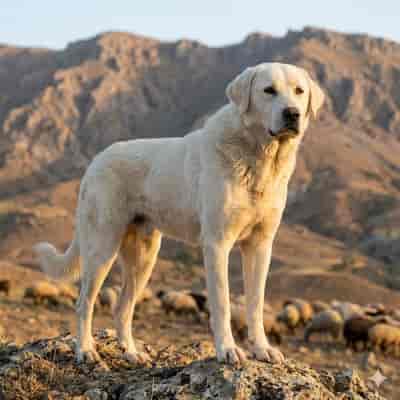
Is a Akbash Dog Right for You?
Personality traits, family compatibility, and lifestyle match - everything you need to decide.
Is a Akbash Dog Right for You?
Take our 1-minute compatibility quiz based on real owner data
The Akbash Dog Personality
Personality traits reported by 1 Akbash Dog owners:
1 owners report this trait
1 owners report this trait
Know Before You Commit
Important behavioral traits that potential owners should understand:
In tegenstelling tot rassen die blaffen en zich terugtrekken, is de Akbash gefokt om bedreigingen te confronteren. Zonder deskundige socialisatie kan de categorie 'bedreigingen' zich uitbreiden tot bezorgers, gasten en buren. Ze hebben een lage drempel voor argwaan en een hoge drempel voor pijn/intimidatie.
Dit ras is van nature nachtactief. Ze patrouilleren 's nachts hun territorium en blaffen luid en herhaaldelijk op coyotes, ritselende bladeren of verre sirenes. Dit is een kenmerk, geen gebrek, maar het maakt ze ongeschikt voor buitenwijken met geluidsvoorschriften of dicht bij buren.
Akbash Dogs, met name mannetjes, zijn gevoelig voor ernstige agressie tegenover andere honden van hetzelfde geslacht. Dit komt doorgaans op bij sociale volwassenheid (18-36 maanden) en kan een vredig meerhondengezin van de ene op de andere dag in een oorlogszone veranderen.
Als ze niet worden ingeperkt door een veilig hek (minimaal 150-180 cm), zal een Akbash zijn territorium uitbreiden. Ze zijn bekend om kilometers te zwerven op zoek naar een perimeter om te bewaken.
Family Compatibility
How Akbash Dogs typically interact with different family members and pets:
Children (0-5 years)
Akbash Dogs may need careful introduction and supervision with young children
Tip: Teach children to be gentle, never disturb during eating or sleeping
Children (5-12 years)
Can be good with older children who understand how to interact with dogs
Tip: Great age to involve kids in feeding, grooming, and training
Teenagers
Akbash Dogs typically do well with teenagers who can help with exercise and care
Tip: Teens can take on walking and training responsibilities
Other Dogs
Most Akbash Dogs can live harmoniously with other dogs when properly introduced
Tip: Gradual introductions on neutral territory work best
Cats
Can learn to live with cats, especially if raised together
Tip: Early socialization with cats increases success
Small Pets (rabbits, hamsters)
Caution advised - most dogs have some prey instinct toward small animals
Tip: Always keep small pets securely housed when dog is present
Living Situation Compatibility
Apartment
Akbash Dogs may find apartment living challenging
- Daily walks are essential
- Train to minimize barking
- Mental stimulation important
House with Yard
Ideal setup for most Akbash Dogs - space to play and explore
- Secure fencing required
- Supervised outdoor time recommended
- Still needs walks for enrichment
Rural/Farm
Akbash Dogs enjoy rural settings
- Good recall training essential
- Watch for wildlife
- Plenty of room to exercise
First-Time Owner
Akbash Dogs may be better suited for experienced owners
- Consider professional training
- Research breed thoroughly
- Be prepared for challenges
Work From Home
Akbash Dogs love having their people around all day
- Set boundaries for work time
- Schedule regular breaks for play
- Create a comfortable space for them
Away 8+ Hours
Akbash Dogs can handle being alone with proper setup
- Gradual training to be alone
- Enrichment toys
- Morning exercise before leaving
Training Your Akbash Dog
Independent Thinker
Intelligent but may have their own agenda - not for novice owners
Training Tips:
- Establish yourself as leader early
- Make training fun and rewarding
- Consider professional help
- Be very patient and consistent
Common Challenges:
- May ignore commands if uninterested
- Requires experienced handler
- Need strong boundaries
Pro tip: Consider professional training classes, especially for first-time Akbash Dog owners. Group classes also provide valuable socialization.
Behavioral Patterns to Know
Some behaviors reported by Akbash Dog owners that may need attention:
Excessive Barking
Tendency to vocalize - may alert bark or bark for attention
How to manage:
- Train "quiet" command early
- Provide mental stimulation
Remember: These percentages show how many owners report this behavior, not severity. Most can be managed with proper training.
Exercise Needs
Needs 30-60 minutes of daily exercise
Recommended Activities:
- Daily walks (vary routes for mental stimulation)
- Fetch and interactive play
- Puzzle toys and training sessions
Mental Stimulation
Akbash Dogs are intelligent dogs that need mental challenges to stay happy and prevent boredom-related behaviors.
Ideas:
- Puzzle feeders and treat-dispensing toys
- Short training sessions (10-15 min)
- Nose work and scent games
- New environments and experiences