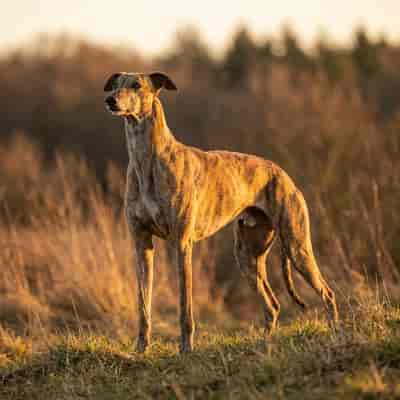

Is a Greyhound Right for You?
Personality traits, family compatibility, and lifestyle match - everything you need to decide.
Is a Greyhound Right for You?
Take our 1-minute compatibility quiz based on real owner data
Know Before You Commit
Important behavioral traits that potential owners should understand:
Dit is de meest voorkomende reden voor de teruggave van gepensioneerde renbaan-Greyhounds. De meeste ex-racers zijn nooit alleen geweest in hun leven; ze worden geboren in een nest, opgegroeid in een roedel en gekeneld met andere honden. Helemaal alleen worden gelaten in een stil huis kan paniek veroorzaken, wat leidt tot vernietiging, gehuil en bevuiling van het huis.
Veel Greyhounds slapen met open ogen en vallen in diepe REM-cycli. Omdat ze in kennels vaak niet worden aangeraakt tijdens het slapen, kunnen ze defensief reageren (grommen, happen) als ze worden aangeraakt of opgeschrikt tijdens het slapen. Dit maakt hen een risico voor huishoudens met jonge kinderen die de regel 'laat slapende honden liggen' mogelijk niet respecteren.
Een veelvoorkomende gedragsquirk waarbij een Greyhound zijn poten plant en weigert te bewegen tijdens een wandeling. Dit is vaak een reactie op overweldiging, angst, of simpelweg beslissen dat de wandeling voorbij is. Het is geen koppigheid in de traditionele zin, maar een afsluitreactie.
Zelfs Greyhounds die vredig samenleven met kleine honden binnenshuis, kunnen ze als prooi beschouwen als de kleine hond rent, piept of onregelmatig beweegt buitenshuis. De overgang van 'vriend' naar 'prooi' kan in een oogwenk plaatsvinden.
Family Compatibility
How Greyhounds typically interact with different family members and pets:
Children (0-5 years)
Greyhounds may need careful introduction and supervision with young children
Tip: Teach children to be gentle, never disturb during eating or sleeping
Children (5-12 years)
Can be good with older children who understand how to interact with dogs
Tip: Great age to involve kids in feeding, grooming, and training
Teenagers
Greyhounds typically do well with teenagers who can help with exercise and care
Tip: Teens can take on walking and training responsibilities
Other Dogs
Most Greyhounds can live harmoniously with other dogs when properly introduced
Tip: Gradual introductions on neutral territory work best
Cats
Can learn to live with cats, especially if raised together
Tip: Early socialization with cats increases success
Small Pets (rabbits, hamsters)
Caution advised - most dogs have some prey instinct toward small animals
Tip: Always keep small pets securely housed when dog is present
Living Situation Compatibility
Apartment
Greyhounds can adapt well to apartment living with adequate exercise
- Daily walks are essential
- Generally quiet indoors
- Mental stimulation important
House with Yard
Ideal setup for most Greyhounds - space to play and explore
- Secure fencing required
- Supervised outdoor time recommended
- Still needs walks for enrichment
Rural/Farm
Greyhounds enjoy rural settings
- Good recall training essential
- Watch for wildlife
- Plenty of room to exercise
First-Time Owner
Greyhounds may be better suited for experienced owners
- Consider professional training
- Research breed thoroughly
- Be prepared for challenges
Work From Home
Greyhounds love having their people around all day
- Set boundaries for work time
- Schedule regular breaks for play
- Create a comfortable space for them
Away 8+ Hours
Greyhounds can handle being alone with proper setup
- Gradual training to be alone
- Enrichment toys
- Morning exercise before leaving
Training Your Greyhound
Independent Thinker
Intelligent but may have their own agenda - not for novice owners
Training Tips:
- Establish yourself as leader early
- Make training fun and rewarding
- Consider professional help
- Be very patient and consistent
Common Challenges:
- May ignore commands if uninterested
- Requires experienced handler
- Need strong boundaries
Pro tip: Consider professional training classes, especially for first-time Greyhound owners. Group classes also provide valuable socialization.
Exercise Needs
Needs 45-60 minutes of daily exercise
Recommended Activities:
- Daily walks (vary routes for mental stimulation)
- Fetch and interactive play
- Puzzle toys and training sessions
Mental Stimulation
Greyhounds are intelligent dogs that need mental challenges to stay happy and prevent boredom-related behaviors.
Ideas:
- Puzzle feeders and treat-dispensing toys
- Short training sessions (10-15 min)
- Nose work and scent games
- New environments and experiences