Africanis vs Australian Cattle Dog
Een zij-aan-zij vergelijking om het juiste ras voor jouw leefstijl te vinden.
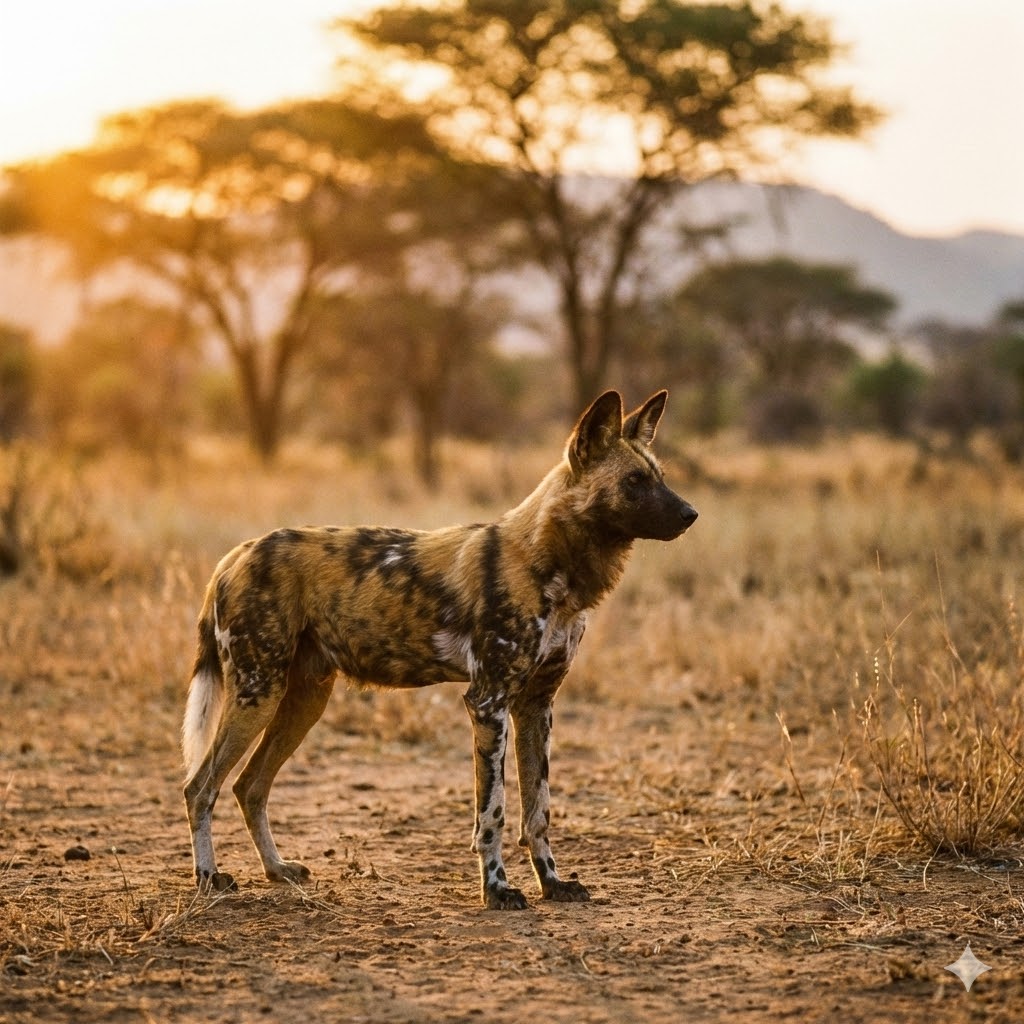
Africanis
The African Hunting Dog, also known as the African Wild Dog or painted wolf, is a highly social and intelligent canine native to sub-Saharan Africa, renowned for its distinctive mottled coat, large rounded ears, and remarkable cooperative hunting strategies. As one of the most efficient predators on the continent, this endangered species plays a crucial role in maintaining ecological balance within its habitat.
Groot
Hoog
12-15 years jr
N/A
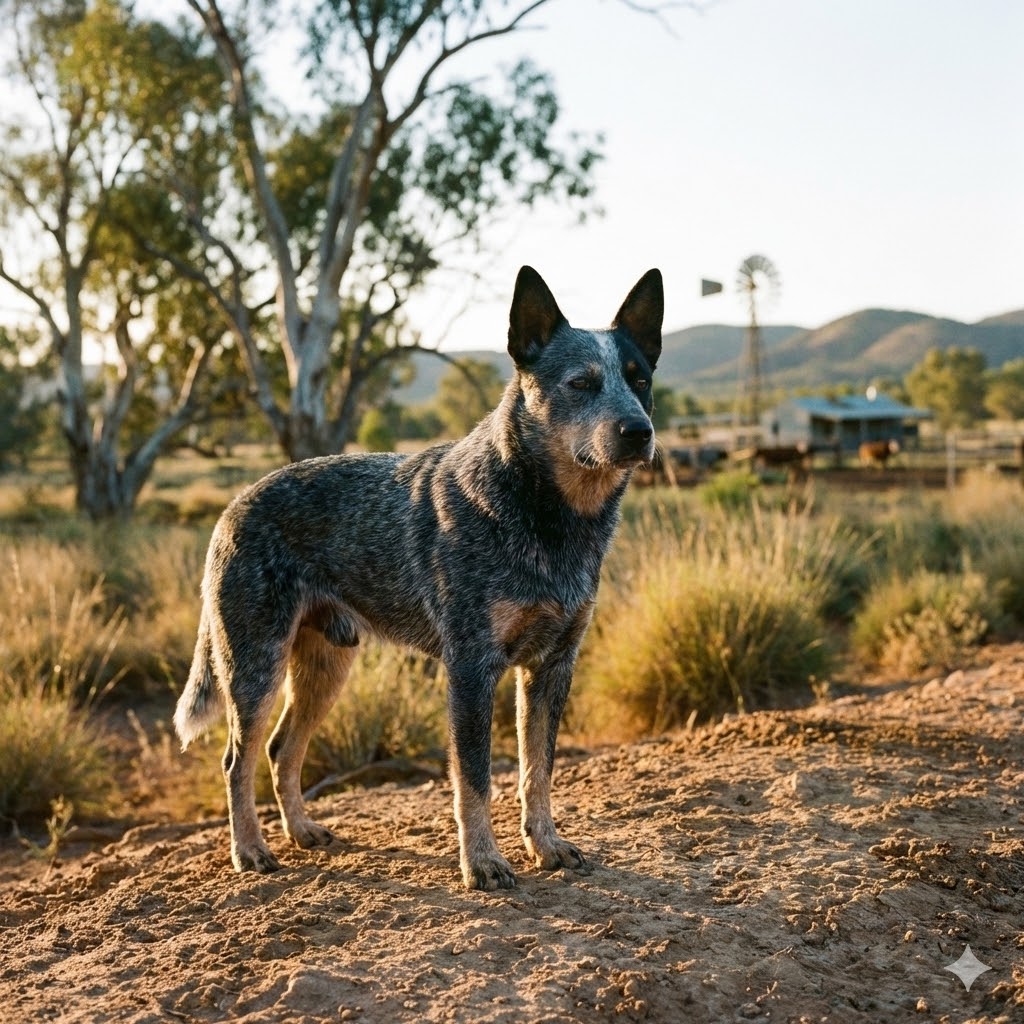
Australian Cattle Dog
Ook bekend als: Blue Heeler, Red Heeler, Queensland Heeler, ACD, Heeler
The Australian Cattle Dog (ACD), widely known as the Blue or Red Heeler, is a canine of paradoxes: fiercely loyal yet fiercely independent, highly trainable yet stubbornly autonomous, and ruggedly durable yet prone to specific genetic vulnerabilities. Bred to drive half-wild cattle across the harsh Australian outback, this medium-sized dog thrives on having a job and will create chaos without one.
Middel
Hoog
12-16 jr
43-51 cm
Snelle vergelijking
| Kenmerk | Africanis | Australian Cattle Dog |
|---|---|---|
| Energie | ||
| Trainbaarheid | ||
| Verzorgingsbehoeften | ||
| Gezinsvriendelijk | ||
| Zelfstandigheid |
Belangrijkste kenmerken
| Goed met kinderen | ||
| Goed met honden | ||
| Goed met katten | ||
| Hypoallergeen | ||
| Geschikt voor appartement | ||
| Geschikt voor beginners |
| Detail | Africanis | Australian Cattle Dog |
|---|---|---|
| Formaat | Groot | Gemiddeld |
| Energieniveau | Hoog | Hoog |
| Verzorging | Laag | Gemiddeld |
| Trainbaarheid | Uitdagend | Gemiddeld |
| Blafgedrag | Hoog | Gemiddeld |
| Verhaaringsniveau | Gemiddeld | Gemiddeld |
| Kauwkracht | Gemiddeld | Sterk |
| Behuizing | Veel grond | Veel grond |
Eigenaarsprofiel & keuzewijzer
Eigenaarsmatch
| Kenmerk | Africanis | Australian Cattle Dog |
|---|---|---|
| Ervaringsniveau | Experienced | Advanced |
| Beginner | ||
| Ideale eigenaar | Active individual or family who can provide adequate exercise and training for a Africanis. | Experienced dog owner with active lifestyle (running, hiking, biking). Works from home or has flexible schedule. Ideally has access to land, livestock work, or dog sports. Committed to ongoing training and socialization. Understands and accepts heeling/nipping as a breed trait to be managed, not 'fixed.' |
Dealbreakers voor Africanis
- Cannot meet 60-90 min daily exercise
- Cannot commit to grooming needs
Dealbreakers voor Australian Cattle Dog
- Sedentary lifestyle - if you want to watch TV after work, don't get this dog
- Small children in household - high risk of nipping kids under 8-10 years
- Want a friendly dog for guests - they guard their home and are suspicious of strangers
- No experience reading canine body language
Risico op afstand
| Factor | Africanis | Australian Cattle Dog |
|---|---|---|
| Risiconiveau | Gemiddeld | Hoog |
| Voornaamste redenen | Underestimated exercise needs, Behavioral challenges, Cost of care | Heeler Nipping - biting children who run, Destructive Behavior from boredom/insufficient exercise, The 'Bluey Effect' - media creates unrealistic expectations |
Temperament & karakter
Gedragsvergelijking
| Kenmerk | Africanis | Australian Cattle Dog |
|---|---|---|
| Jachtdrift | ||
| Waakhondkwaliteiten | ||
| Vriendelijk voor vreemden | ||
| Kwijlniveau | ||
| Zwerfgedrag |
Geluidsgedrag
| Kenmerk | Africanis | Australian Cattle Dog |
|---|---|---|
| Blafgedrag | Hoog | Gemiddeld |
| Huilneiging | ||
| Jankneiging | Laag | Hoog |
| Geluid bij scheiding |
Veiligheid & betrouwbaarheid
| Kenmerk | Africanis | Australian Cattle Dog |
|---|---|---|
| Ontsnappingsdrang | ||
| Geschikt voor hondenpark | ||
| Betrouwbaar zonder lijn | ||
| Veilig bij kleine dieren | ||
| Reactiviteit aan de lijn | ||
| Risico op bewaken van middelen | Laag | Gemiddeld |
Sociale kenmerken van Africanis
Gemiddeld
Generally friendly
Sociale kenmerken van Australian Cattle Dog
Hoog
Often intolerant of strange dogs, especially same-sex at 18-24 months
Training
Africanis
- Keep training sessions short and varied
Australian Cattle Dog
- Use their drive (toys/play) rather than just food as rewards
- Keep training sessions short and varied
- Start bite inhibition training on day one - this is non-negotiable
- Extensive socialization before 14 weeks is critical for managing stranger wariness
Aandachtspunten voor Africanis
Unlike a Golden Retriever that looks to you for direction, an Africanis makes its own decisions. They are cooperative but not subservient. If you require a dog that obeys commands instantly for the sake of obedience, this breed will frustrate you.
These dogs evolved to roam freely around rural homesteads. They have a high "wanderlust" and are known escape artists. A secure fence (minimum 1.8m) is non-negotiable.
They are naturally cautious of strangers. While rarely aggressive without cause, they will not greet your guests with a wagging tail immediately. They are watchdogs first, friends second.
They have a functional prey drive. While they can bond with livestock (goats, cattle) if raised with them, they may view strange small animals (cats, rabbits) as food.
Aandachtspunten voor Australian Cattle Dog
Bred to move stubborn cattle by biting at their heels, this instinct translates to nipping running children, joggers, bicycles, and even cars. This is a feature, not a bug - but it's the #1 reason families surrender this breed for 'aggression.'
Unlike friendly Golden Retrievers, ACDs are genetically programmed to be suspicious. They are natural watchdogs that can escalate to fear-aggression without extensive early socialization. They guard their home, car, and person intensely.
They bond intensely to one person while merely tolerating others. They will follow you to the bathroom and may develop severe separation anxiety if excluded from family activities. They want to be in the same room as their person at all times.
Particularly in females, ACDs often become selective and intolerant of other dogs upon reaching social maturity (18-24 months). Dog parks are often a poor fit for this breed.
Compatibiliteit met andere dieren
| Soort | Africanis | Australian Cattle Dog |
|---|---|---|
| Met katten | Caution - may chase | Caution - can coexist with dog-savvy cats if raised from puppyhood, but will chase if the cat runs |
| Kleine zoogdieren | Supervision required | Unsafe - terrier/dingo heritage makes them dangerous to rodents and rabbits |
| Vogels / reptielen | Caution advised | High risk - movement triggers predatory chase |
Geavanceerd gedrag
| Kenmerk | Africanis | Australian Cattle Dog |
|---|---|---|
| Risico op roofgedrag | Gemiddeld | Arrested (High Drive) |
| Gehoorzaamheid | Laag | High (but Selective) |
| Geluidsgevoeligheid | Laag | Laag |
| Territoriaal blaffen | ||
| Agressie tegenover zelfde geslacht | 18 months | 18 months |
Australian Cattle Dog: Predatory sequence is Eye → Stalk → Chase → Grab-Bite (Nip). The 'kill' is inhibited for large animals but for small animals (cats, squirrels), it can proceed further. They are pragmatic - they need a reason to obey, unlike Border Collies who work for the sake of work.
Eerste jaar & levensfasen
Uitdagingen in het eerste jaar
| Uitdaging | Africanis | Australian Cattle Dog |
|---|---|---|
| Moeilijkheidsgraad pup | ||
| Vernietigingsfase | 6-18 | 6-18 |
| Zindelijkheidstraining | Uitdagend | Gemiddeld |
| Benchtraining | Gemiddeld | Hoog |
| Pubertale terugval |
Africanis: Africanis puppies require consistent training and patience.
Australian Cattle Dog: ACD puppies are 'land sharks' - they nip heels, pant legs, and hands with intent. Unlike a mouthy Lab, these nips are meant to control and can break skin. Immediate boundary setting regarding biting is critical.
Tijdlijn levensfasen
| Fase | Africanis | Australian Cattle Dog |
|---|---|---|
| Pupfase | 12 months | 12 months |
| Puberteit | 6-18 | 12-36 |
| Volwassen jaren | 2-8 | 3-9 |
| Begin seniorfase | ~8 years | ~10 years |
| Leeftijd met meeste energie | 1-3 years | 1-3 years |
Formaat & fysieke kenmerken
Fysieke gegevens
| Meting | Africanis | Australian Cattle Dog |
|---|---|---|
| Hoogte | N/A | 43-51 cm |
| Gewicht | Nog niet genoeg data | Nog niet genoeg data |
| Formaatcategorie | Groot | Middel |
| Levensduur | 12–15 jaar | 12–16 jaar |
| Worpgrootte | 4-8 | 5-7 |
Vacht van Africanis
Vacht van Australian Cattle Dog
Afstamming & herkomst
| Detail | Africanis | Australian Cattle Dog |
|---|---|---|
| Oorspronkelijk doel | The Africanis is a landrace, meaning it evolved through natural selection in a specific region (Sout | Driving half-wild cattle across vast Australian outback distances by nipping at heels |
| Herkomst | pariah dogs that migrated with Neolithic herders into the Nile Valley and then s | New South Wales, Australia, 19th century |
Fokdetails
| Detail | Africanis | Australian Cattle Dog |
|---|---|---|
| Keizersnedepercentage | Varies | Laag |
| Werpingsmoeilijkheid | Gemiddeld | Makkelijk |
| Sterfte pups | Laag | Laag |
Fysieke risico's
| Risico | Africanis | Australian Cattle Dog |
|---|---|---|
| Risico op maagdraaiing / GDV | Laag | Laag |
| Risico op gladde vloer | Laag | Laag |
| Minimale schuttinghoogte | 1.5m | 1.5m |
| Graaf- / ontsnappingsrisico | Laag | Gemiddeld |
Gezondheid & veelvoorkomende aandoeningen
Gezondheidsproblemen van Africanis
Gezondheidsproblemen van Australian Cattle Dog
Aanbevolen tests voor Africanis
- Regular veterinary check-ups
- Physical examination for Dermoid Sinus (for ridged puppies)
- Vaccination protocol
- Rigorous tick control
Aanbevolen tests voor Australian Cattle Dog
- BAER (Brainstem Auditory Evoked Response) at 6 weeks
- Genetic testing for prcd-PRA
- Genetic testing for PLL
- Hip Evaluation (OFA)
- Elbow Evaluation
Overzicht gezondheidsrisico's
| Risicofactor | Africanis | Australian Cattle Dog |
|---|---|---|
| Risico op kanker | Gemiddeld | Laag |
| Hartrisico | Laag | Laag |
| Neurologisch risico | Laag | Laag |
| CCL/ACL-scheurrisico | Laag | Hoog |
| Dierenartsbelasting | Gemiddeld | Gemiddeld |
Gevoeligheden & allergieën
| Gevoeligheid | Africanis | Australian Cattle Dog |
|---|---|---|
| Huidallergieën | ||
| Omgevingsallergieën | ||
| Maaggevoeligheid | Laag | Laag |
| Voedselallergieën | Generally hardy |
Gezondheidsonderhoud
| Verzorgingsonderdeel | Africanis | Australian Cattle Dog |
|---|---|---|
| Nagelgroei | Normal | Fast |
| Oogverzorging | Laag | Gemiddeld |
| Anaalklierproblemen | Occasional | Rare |
Seniorzorg & veroudering
Seniorzorg voor Africanis
Veelvoorkomende seniorproblemen
- Arthritis
- Vision decline
- Cognitive changes
Senior care varies by individual health.
Seniorzorg voor Australian Cattle Dog
Veelvoorkomende seniorproblemen
- Arthritis
- Deafness (age-related on top of genetic risk)
- Blindness from PRA
They age remarkably well compared to other breeds. Many remain active into their teens. Longevity is a breed hallmark - the oldest verified dog ever was an ACD named Bluey who lived to 29 years.
Vachtverzorging & onderhoud
Africanis
low onderhoudAustralian Cattle Dog
medium onderhoudLeefstijlcompatibiliteit
Dagelijks leven van Africanis
Dagelijks leven van Australian Cattle Dog
Behuizing & juridische beperkingen
| Beperking | Africanis | Australian Cattle Dog |
|---|---|---|
| BSL-beperkt | ||
| Veelvoorkomend huurverbod | ||
| Verzekeringszwarte lijst | ||
| Gewichtscategorie | Under 50lbs | 25-50lbs |
Klimaattolerantie
| Klimaat | Africanis | Australian Cattle Dog |
|---|---|---|
| Hittetolerantie | ||
| Koudetolerantie | ||
| Affiniteit met water | Gemiddeld | Gemiddeld |
Reiscompatibiliteit
| Activiteit | Africanis | Australian Cattle Dog |
|---|---|---|
| Autoreizen | Goed | Uitstekend |
| Kamperen | ||
| Strandvriendelijk | ||
| Wandelscore | ||
| Geschikt voor cabinevlucht | ||
| Hotelvriendelijk formaat |
Nichegeschiktheid
| Rol | Africanis | Australian Cattle Dog |
|---|---|---|
| Assistentiehond | Laag | Gemiddeld |
| Therapiehond | Laag | Laag |
| Diepdruktherapie | ||
| Canicross / bikejoring | ||
| Aanpasbaar aan appartement | ||
| Tactiel / sensorisch vriendelijk | ||
| Veebewaker | ||
| Medisch alarm | Laag | Laag |
Kosten & uitgaven
Aanschafkosten
| Kosten | Africanis | Australian Cattle Dog |
|---|---|---|
| Aanschafprijs | N/A | $800-2,500 |
| Initieel kostenbereik | $1,000–$2,500 | $800–$2,500 |
| Kostenniveau |
Doorlopende kosten
| Kosten | Africanis | Australian Cattle Dog |
|---|---|---|
| Maandelijks bereik | $80–$160 | $100–$200 |
| Jaarlijks bereik | $960–$1,920 | $1,500–$2,500 |
| Voer / maand | N/A | $40-100 |
| Verzekering / maand | N/A | $40-70 |
| Verzorging / sessie | N/A | $30-50 |
| Routinedierenarts / jaar | N/A | $400-800 |
| Maandelijks kostenniveau |
Levenslange kosten van Africanis
N/A
Levenslange kosten van Australian Cattle Dog
$18,000-35,000
Eigenaardigheden & leuke weetjes
Dagelijkse eigenaardigheden
| Eigenaardigheid | Africanis | Australian Cattle Dog |
|---|---|---|
| Snurken | ||
| Winderigheid | Occasional | Rare |
| Kwijlniveau | Laag | None |
| Geur als nat | Gemiddeld | Mild |
| Zoomiefrequentie | Occasional | Daily |
| Aanrechtplunderen | ||
| Graafneiging | Laag | Gemiddeld |
Eigenaardigheden van Australian Cattle Dog
The Heeler Nip
Will attempt to herd anything that moves - children, joggers, bicycles, cars, vacuum cleaners - by nipping at heels
Shrimping
Unique sleeping position where they tuck all legs and curl into a tight ball, resembling a shrimp
The Cattle Dog Sit
Often sit lazily on one hip with legs kicked out to the side - this is normal, not a sign of hip dysplasia
Dingo Whine
A specific high-pitched whine used to manipulate owners or express frustration - inherited from their Dingo ancestry
Oral Fixation
Mouthy dogs that explore the world with their mouth well into adulthood
Stoic Pain Tolerance
Will run on a broken leg if adrenaline is high - owners must be vigilant for subtle signs of injury
Veelgestelde vragen
Verdien met je hond.
Dierenmerken zoeken echte creators — geen celebrities. Als je een Africanis of Australian Cattle Dog hebt, kun je collabs binnenhalen — product, gear en exclusieve voordelen — door je hondenleven te delen op Instagram.
Geen minimumaantal volgers · Altijd gratis
Gebaseerd op uitgebreid rassenonderzoek.
Bekijk profiel van Africanis·Bekijk profiel van Australian Cattle Dog