Aidi vs Nova Scotia Duck Tolling Retriever
A side-by-side comparison to help you find the right breed for your lifestyle.

Aidi
Also known as: Atlas Mountain Dog, Chien de l'Atlas, Kabyle Dog
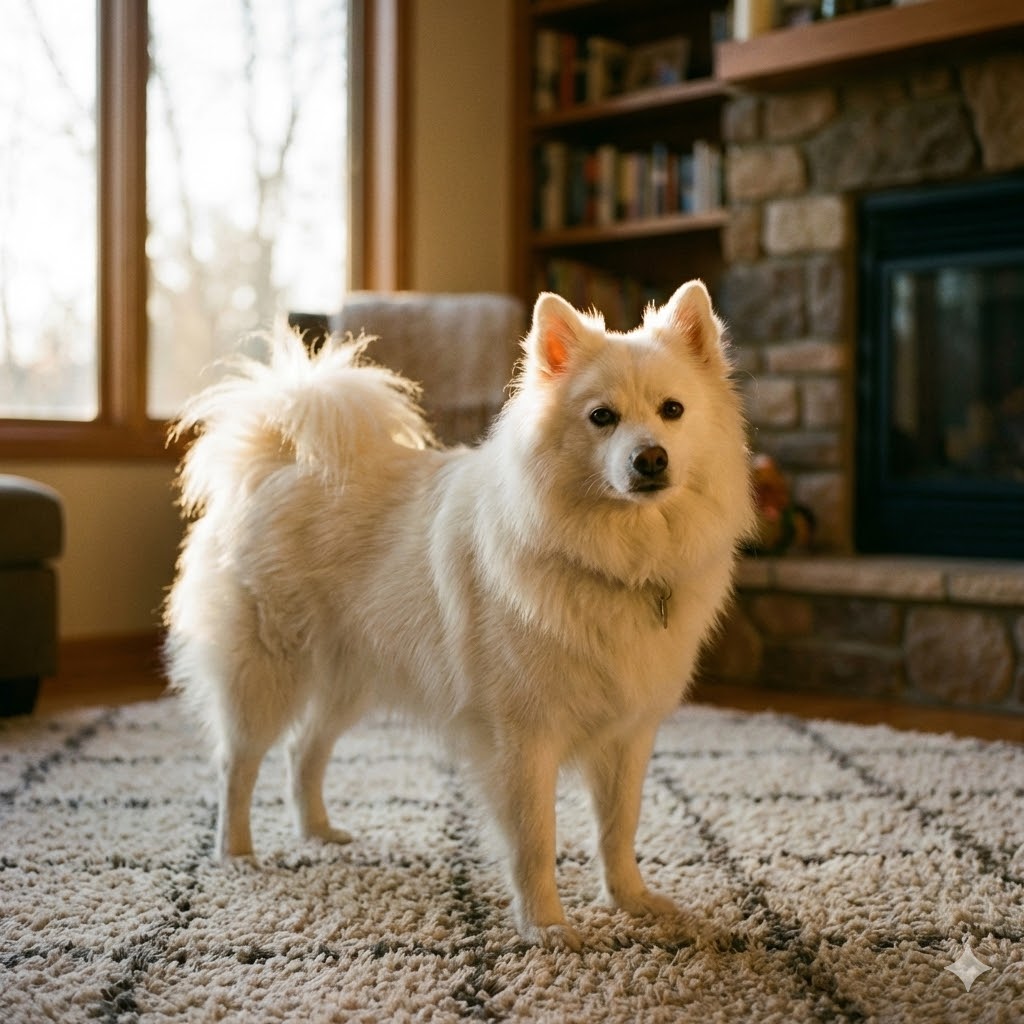
The Aidi, also known as the Atlas Mountain Dog, is a primitive livestock guardian dog from Morocco's Atlas Mountains. This is not a 'pet' in the conventional sense - it's a working breed with retained hunting drive and intense territorial instincts. They were bred to guard nomadic camps from jackals and wolves, and to hunt alongside Sloughis.
Large
High
10-12 yrs
52-62 cm
22-26 kg

Nova Scotia Duck Tolling Retriever
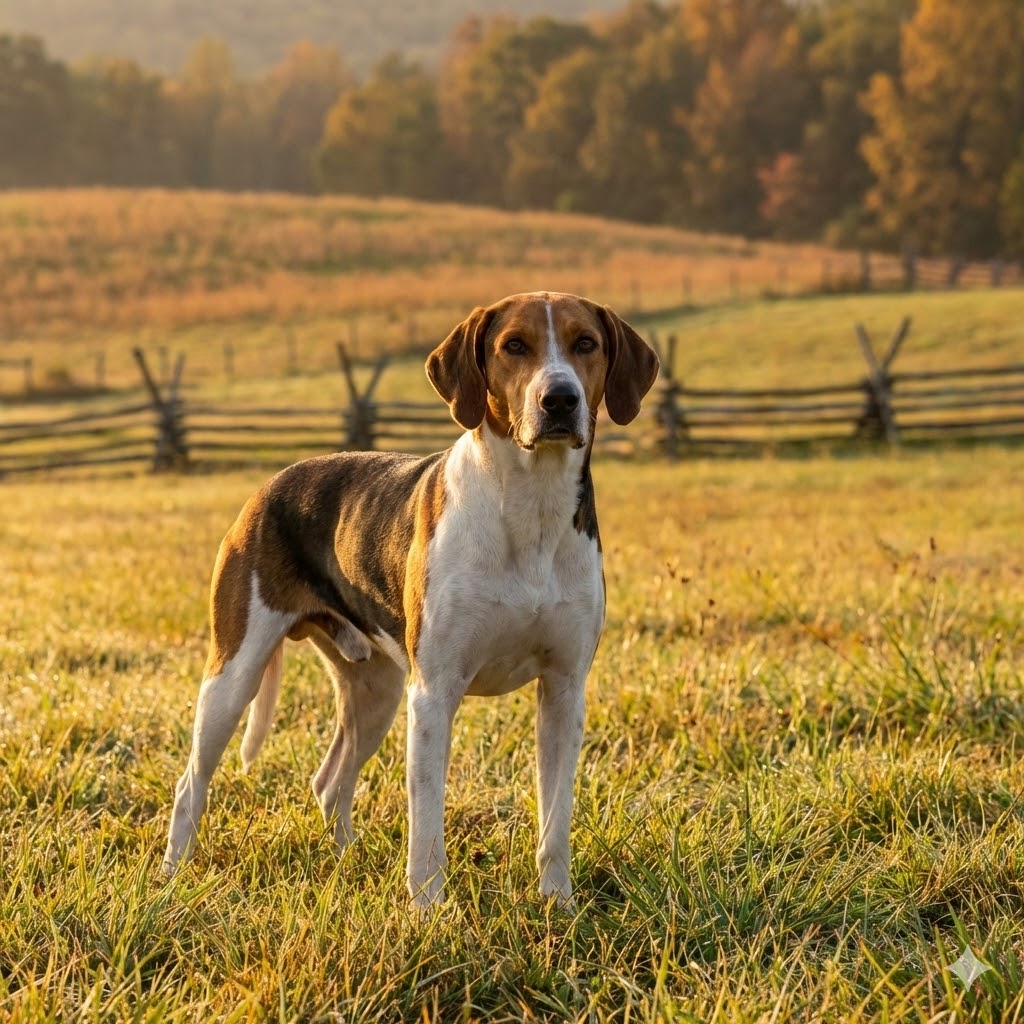
The Nova Scotia Duck Tolling Retriever, often referred to as a \\\"Toller,\\\" is a medium-sized, intelligent, and energetic breed known for its distinctive reddish coat and unique ability to lure and retrieve waterfowl. Originating from Nova Scotia, Canada, these dogs are highly valued for their playful demeanor, versatility, and strong work ethic in both hunting and family settings.
Medium
High
10-12 yrs
N/A
Quick Comparison
| Trait | Aidi | Nova Scotia Duck Tolling Retriever |
|---|---|---|
| Energy | ||
| Trainability | ||
| Grooming Needs | ||
| Family Friendly | ||
| Independence |
Key Characteristics
| Good with Kids | ||
| Good with Dogs | ||
| Good with Cats | ||
| Hypoallergenic | ||
| Apartment Friendly | ||
| First-Time Owner OK |
| Detail | Aidi | Nova Scotia Duck Tolling Retriever |
|---|---|---|
| Size | Large | Medium |
| Energy Level | High | High |
| Grooming | Medium | Medium |
| Trainability | challenging | Easy |
| Barking Level | High | High |
| Shedding Level | High | High |
| Chew strength | Moderate | Moderate |
| Housing | Acreage | Yard |
Owner Fit & Decision Guide
Owner Match
| Trait | Aidi | Nova Scotia Duck Tolling Retriever |
|---|---|---|
| Experience Level | Advanced | Beginner |
| First-Time Owner | ||
| Ideal Owner | Experienced owner who understands canine body language, threshold management, and resource guarding. Has acreage or large securely fenced yard. Can provide job and active management. No children under 10. Prepared for liability insurance and rental restrictions. | Active individual or family who can provide adequate exercise and training for a Nova Scotia Duck Tolling Retriever. |
Aidi Dealbreakers
- Apartment living
- Social butterfly lifestyle (breweries, festivals, soccer games)
- Passive ownership wanting a dog that 'just hangs out'
- Households with toddlers
- Other male dogs in the home
Nova Scotia Duck Tolling Retriever Dealbreakers
- Cannot meet 60-90 min daily exercise
- Cannot tolerate heavy shedding
Surrender Risk
| Factor | Aidi | Nova Scotia Duck Tolling Retriever |
|---|---|---|
| Risk Level | High | Medium |
| Primary Reasons | He bit my friend who walked in without knocking, He keeps fighting with my other dog, Owners buy for 'rare' status or 'fluffy' look, ignoring 1000 years of jackal-killing programming | Underestimated exercise needs, Behavioral challenges, Cost of care |
Temperament & Personality
Behavior Comparison
| Trait | Aidi | Nova Scotia Duck Tolling Retriever |
|---|---|---|
| Prey Drive | ||
| Watchdog Ability | ||
| Stranger Friendly | ||
| Drool Level | ||
| Wanderlust |
Vocalization
| Trait | Aidi | Nova Scotia Duck Tolling Retriever |
|---|---|---|
| Barking Level | High | High |
| Howling Tendency | ||
| Whining Tendency | Low | Low |
| Separation Vocalization |
Safety & Reliability
| Trait | Aidi | Nova Scotia Duck Tolling Retriever |
|---|---|---|
| Escape Artist | ||
| Dog Park Suitable | ||
| Off-Leash Reliable | ||
| Small Animal Safe | ||
| Leash Reactivity | ||
| Resource Guarding Risk | High | Low |
Aidi Social Traits
High
Same-sex aggressive; intolerance emerges at 18-24 months
Nova Scotia Duck Tolling Retriever Social Traits
Low
Generally friendly
Training
Aidi
- Keep sessions short (5-10 mins) and varied
- Use high-value rewards (liver, cheese) - moderate food motivation
- Harsh corrections damage bond and trigger defensive aggression
- Convince them obedience is in their best interest
Nova Scotia Duck Tolling Retriever
- ** Use shaping and positive reinforcement. Keep sessions short (5 minutes) and high-energy.
Aidi Considerations
The Aidi views anything outside its family unit as a potential threat. This includes mail carriers, neighbors, and visiting children. Their default setting is suspicion, and they do not 'warm up' quickly.
High propensity for intolerance toward dogs of the same sex, emerging at social maturity (18-24 months). Can escalate to serious fighting if not managed with strict separation. A male Aidi with another male dog is a ticking time bomb.
As a survivalist breed from harsh environments, they may guard food, toys, or space with intensity. This is a genetic survival trait that makes them dangerous in households with toddlers.
They are not eager to please. If busy patrolling or investigating a scent, they will likely ignore you. They were bred to make autonomous decisions without human direction.
Nova Scotia Duck Tolling Retriever Considerations
This is not a myth. When excited, frustrated, or anticipating work (like a ball throw), Tollers emit a high-pitched, piercing shriek that sounds like a banshee. It is startling to neighbors and can be difficult to train out because it is an involuntary expression of arousal.
Unlike many show-line Golden Retrievers who are happy to lounge after a walk, a Toller often requires relaxation. Without a "job" or rigorous mental stimulation, they can become neurotic, pacing, whining, and destructive.
Tollers are not "everyone's best friend." They are typically aloof with strangers, ignoring them to focus on their owner or a ball. This can be disappointing for owners expecting the social butterfly personality of a Lab or Golden.
Multi-Species Compatibility
| Species | Aidi | Nova Scotia Duck Tolling Retriever |
|---|---|---|
| With Cats | Generally unsafe - high prey drive; may view running cats as prey to flush or grab | Generally safe with proper introduction |
| Small Mammals | Unsafe - birds, rabbits, and rodents trigger prey drive | Supervision required |
| Birds / Reptiles | Unsafe - birds fluttering trigger chase instinct | Caution advised |
Advanced Behavior
| Trait | Aidi | Nova Scotia Duck Tolling Retriever |
|---|---|---|
| Predatory Sequence Risk | Full | Medium |
| Biddability | Low | High |
| Noise Sensitivity | Low | Low |
| Territorial Barking | ||
| Same-Sex Aggression Onset | 18 months | 18 months |
Aidi: Full predatory sequence intact (Orient-Eye-Stalk-Chase-Grab-Kill). Their hunting history with Sloughis means chase and flush instincts remain. In absence of Sloughi to finish, they may complete kill sequence on small animals. They are intelligent problem solvers but do not look to humans for permission.
First Year & Life Stages
First Year Challenges
| Challenge | Aidi | Nova Scotia Duck Tolling Retriever |
|---|---|---|
| Puppy Difficulty | ||
| Destructive Phase | 6-18 | 6-18 |
| House Training | Medium | Moderate |
| Crate Training | Medium | Medium |
| Adolescent Regression |
Aidi: Critical socialization window 8-16 weeks - if missed, dog will be reactive. At 18 months, guardian instinct activates; a dog that loved the dog park at 6 months may suddenly pick fights. Most surrenders happen during adolescence.
Nova Scotia Duck Tolling Retriever: Nova Scotia Duck Tolling Retriever puppies require consistent training and patience.
Life Stages Timeline
| Stage | Aidi | Nova Scotia Duck Tolling Retriever |
|---|---|---|
| Puppy Phase | 12 months | 12 months |
| Adolescence | 12-24 | 6-18 |
| Adult Years | 2-8 | 2-8 |
| Senior Onset | ~9 years | ~8 years |
| Peak Energy Age | 2-5 years | 1-3 years |
Size & Physical Characteristics
Physical Stats
| Measurement | Aidi | Nova Scotia Duck Tolling Retriever |
|---|---|---|
| Height | 52-62 cm | N/A |
| Weight | Not enough data yet | Not enough data yet |
| Size Category | Large | Medium |
| Lifespan | 10–12 years | 10–12 years |
| Litter Size | 5-8 | 4-8 |
Aidi Coat
Nova Scotia Duck Tolling Retriever Coat
Lineage & Origin
| Detail | Aidi | Nova Scotia Duck Tolling Retriever |
|---|---|---|
| Original Purpose | Dual-purpose: Livestock guardian protecting nomadic camps from jackals/wolves, and hunter working with Sloughis to flush and track game | Developed in Little River, Nova Scotia, in the 19th century, they were originally called the Little |
| Origin | Atlas Mountains, Morocco/Algeria/Tunisia | N/A |
Breeding Details
| Detail | Aidi | Nova Scotia Duck Tolling Retriever |
|---|---|---|
| C-Section Rate | Low | Varies |
| Whelping Difficulty | Easy | Medium |
| Puppy Mortality Rate | Low | Low |
Physical Risks
| Risk | Aidi | Nova Scotia Duck Tolling Retriever |
|---|---|---|
| Bloat / GDV Risk | Medium | Low |
| Slippery Floor Risk | Low | Low |
| Min Fence Height | 1.8m | 1.5m |
| Dig / Escape Risk | Low | Low |
Health & Common Conditions
Aidi Health Issues
Nova Scotia Duck Tolling Retriever Health Issues
Aidi Suggested Tests
- Genetic Testing (MDR1, PRA)
- Annual Ophthalmologist Exams (CERF)
- Hip Evaluation
- Elbow Evaluation
Nova Scotia Duck Tolling Retriever Suggested Tests
- JADD
- CP1 (Cleft Palate)
- CLPS (Cleft Lip/Palate)
- DM
- PRA
- CEA
- CDDY
Health Risk Overview
| Risk Factor | Aidi | Nova Scotia Duck Tolling Retriever |
|---|---|---|
| Cancer Risk | Low | Medium |
| Cardiac Risk | Low | Low |
| Neurological Risk | Low | Low |
| CCL/ACL Tear Risk | Medium | Low |
| Vet Burden Tier | Low | Medium |
Sensitivities & Allergies
| Sensitivity | Aidi | Nova Scotia Duck Tolling Retriever |
|---|---|---|
| Skin Allergies | ||
| Environmental Allergies | ||
| Stomach Sensitivity | Low | Low |
| Food Allergies |
Health Maintenance
| Care Item | Aidi | Nova Scotia Duck Tolling Retriever |
|---|---|---|
| Nail Growth Rate | Fast | Normal |
| Eye Care Needs | Medium | Low |
| Anal Gland Issues | Rare | Occasional |
Senior Care & Aging
Aidi Senior Care
Common Senior Issues
- Hip/knee arthritis
- Cognitive decline (may become grumpier)
- Vision loss
Hips and knees first to go in this medium-large breed. Ramps for cars and non-slip rugs essential. May become more intolerant of disruption with age.
Nova Scotia Duck Tolling Retriever Senior Care
Common Senior Issues
- Arthritis
- Vision decline
- Cognitive changes
Senior care varies by individual health.
Grooming & Care
Aidi
medium maintenanceNova Scotia Duck Tolling Retriever
medium maintenanceLifestyle Compatibility
Aidi Daily Life
Nova Scotia Duck Tolling Retriever Daily Life
Housing & Legal Restrictions
| Restriction | Aidi | Nova Scotia Duck Tolling Retriever |
|---|---|---|
| BSL Restricted | ||
| Common Rental Ban | ||
| Insurance Blacklist | ||
| Weight Category | Over 50lbs | Under 50lbs |
Climate Tolerance
| Climate | Aidi | Nova Scotia Duck Tolling Retriever |
|---|---|---|
| Heat Tolerance | ||
| Cold Tolerance | ||
| Water Affinity | Low | Medium |
Travel Compatibility
| Activity | Aidi | Nova Scotia Duck Tolling Retriever |
|---|---|---|
| Car Travel | Good | Good |
| Camping | ||
| Beach Friendly | ||
| Hiking Rating | ||
| Cabin Flight Eligible | ||
| Hotel Friendly Size |
Niche Suitability
| Role | Aidi | Nova Scotia Duck Tolling Retriever |
|---|---|---|
| Service Dog | None | High |
| Therapy Dog | None | Low |
| Deep Pressure Therapy | ||
| Canicross / Bikejoring | ||
| Apartment Adaptable | ||
| Tactile / Sensory Friendly | ||
| Livestock Guardian | ||
| Medical Alert | None | Low |
Costs & Expenses
Upfront Costs
| Cost | Aidi | Nova Scotia Duck Tolling Retriever |
|---|---|---|
| Purchase Price | $1,000-2,000 (plus import costs) | N/A |
| Initial Cost Range | $1,000–$2,000 | $1,000–$2,500 |
| Cost Tier |
Ongoing Costs
| Cost | Aidi | Nova Scotia Duck Tolling Retriever |
|---|---|---|
| Monthly Range | $150–$250 | $160–$290 |
| Yearly Range | $2,000–$2,500 | $1,920–$3,480 |
| Food / Month | $60-90 | $60-90 |
| Insurance / Month | $80-120 | $100-200 |
| Grooming / Session | $50-80 | N/A |
| Vet Routine / Year | $400-800 | N/A |
| Monthly Cost Tier |
Aidi Lifetime Cost
$20,000-30,000
Nova Scotia Duck Tolling Retriever Lifetime Cost
N/A
Quirks & Fun Facts
Daily Quirks
| Quirk | Aidi | Nova Scotia Duck Tolling Retriever |
|---|---|---|
| Snoring | ||
| Flatulence | Rare | Occasional |
| Slobber Level | Light | Low |
| Smell When Wet | Strong | Moderate |
| Zoomies Frequency | Rare | Occasional |
| Counter Surfing | ||
| Digging Tendency | Low | Low |
Aidi Quirks
The Side Eye
Aidis constantly watch and observe you - this is assessment, not aggression. They are always monitoring the environment.
Tactile Sensitivity
They show affection by leaning or sitting on your foot, but often dislike being hugged or restrained.
Metabolic Off-Switch
Like lions, they conserve energy until a threat appears. Not hyperactive pacers like Malinois.
Frequently Asked Questions
Turn your dog into a brand deal.
Pet brands are looking for authentic creators — not celebrities. If you own a Aidi or Nova Scotia Duck Tolling Retriever, you can land collabs — product, gear, and exclusive perks — for sharing your dog's life on Instagram.
No followers minimum · Free to join
Compare with Other Breeds
Compare Aidi with:




Compare Nova Scotia Duck Tolling Retriever with:


Based on comprehensive breed research data.
View Aidi profile·View Nova Scotia Duck Tolling Retriever profile