Alaskan Malamute vs Lhasa Apso
A side-by-side comparison to help you find the right breed for your lifestyle.
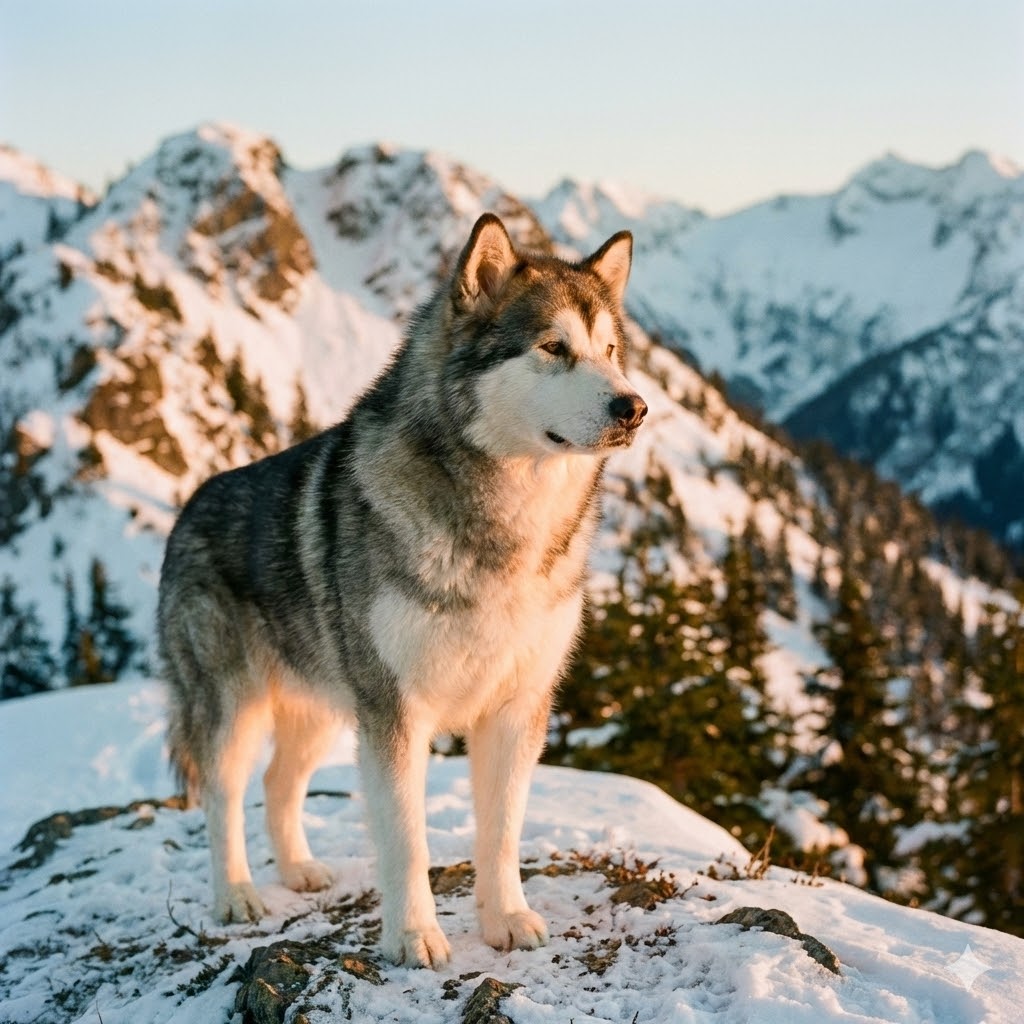
Alaskan Malamute
The Alaskan Malamute is a powerful and robust sled dog known for its strength, endurance, and friendly nature. Originating from the Arctic regions, this breed is characterized by its thick double coat, erect ears, and distinct plume-like tail, making it well-suited for harsh, cold environments.
Large
High
10-14 yrs
N/A
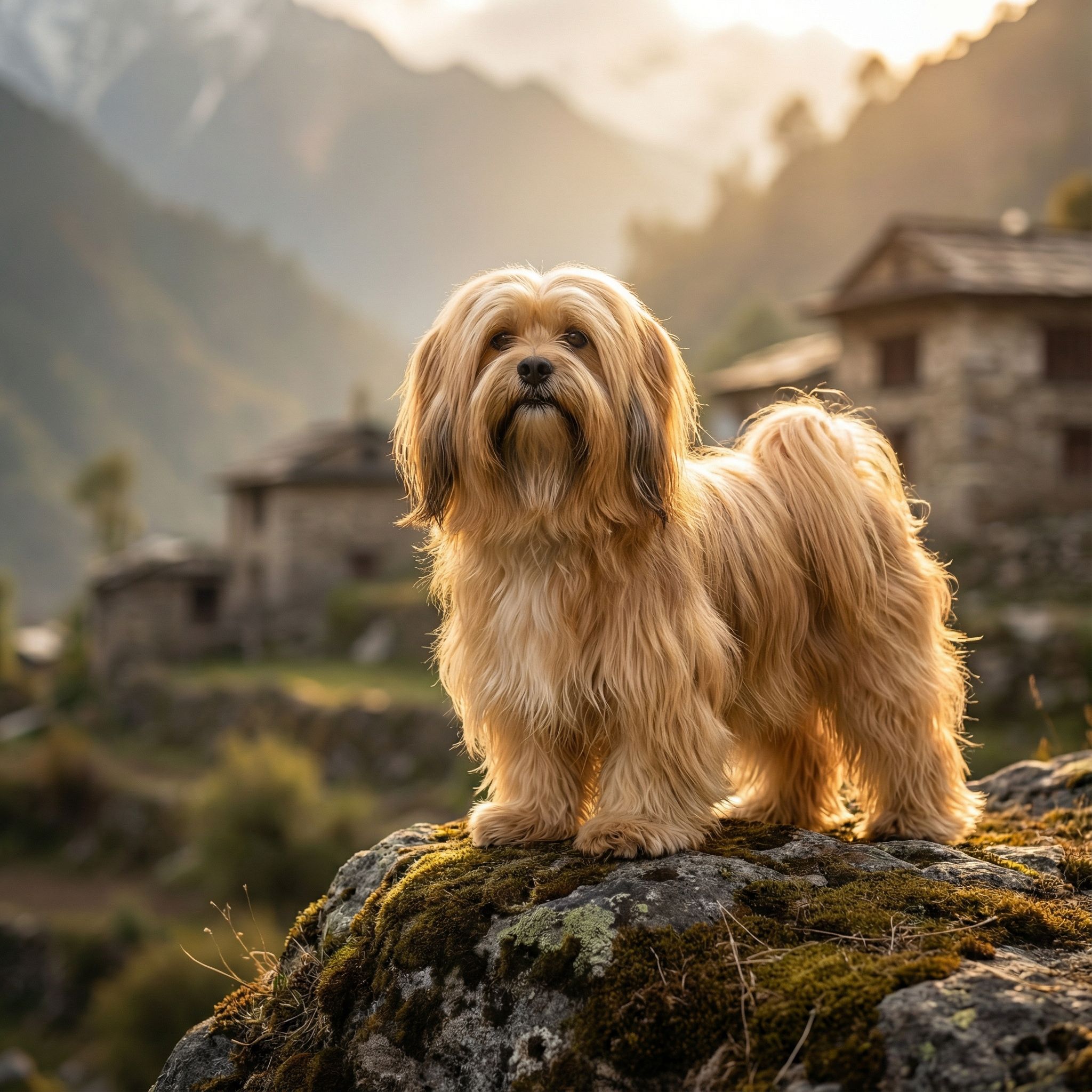
Lhasa Apso
Der Lhasa Apso ist eine kleine, nicht-sportliche Hunderasse aus Tibet, bekannt für sein langes, fließendes Fell und sein edles Aussehen. Traditionell als Wachhunde in buddhistischen Klöstern gezüchtet, sind sie sowohl wachsam als auch liebevoll und damit ausgezeichnete Begleiter.
Small
Low
12-18 yrs
N/A
Quick Comparison
| Trait | Alaskan Malamute | Lhasa Apso |
|---|---|---|
| Energy | ||
| Trainability | ||
| Grooming Needs | ||
| Family Friendly | ||
| Independence |
Key Characteristics
| Good with Kids | ||
| Good with Dogs | ||
| Good with Cats | ||
| Hypoallergenic | ||
| Apartment Friendly | ||
| First-Time Owner OK |
| Detail | Alaskan Malamute | Lhasa Apso |
|---|---|---|
| Size | Large | Small |
| Energy Level | High | Low |
| Grooming | High | High |
| Trainability | Challenging | Challenging |
| Barking Level | High | High |
| Shedding Level | High | Low |
| Chew strength | Hard | Light |
| Housing | Yard | Apartment |
Owner Fit & Decision Guide
Owner Match
| Trait | Alaskan Malamute | Lhasa Apso |
|---|---|---|
| Experience Level | Experienced | Experienced |
| First-Time Owner | ||
| Ideal Owner | Active individual or family who can provide adequate exercise and training for a Alaskan Malamute. | Aktive Person oder Familie, die einem Lhasa Apso ausreichend Bewegung und Training bieten kann. |
Alaskan Malamute Dealbreakers
- Cannot meet 90-120 min daily exercise
- Cannot tolerate heavy shedding
Lhasa Apso Dealbreakers
- Kann 30-45 Minuten tägliche Bewegung nicht erfüllen
- Kann Pflegebedarf nicht erfüllen
Surrender Risk
| Factor | Alaskan Malamute | Lhasa Apso |
|---|---|---|
| Risk Level | Medium | Medium |
| Primary Reasons | Underestimated exercise needs, Behavioral challenges, Cost of care | Unterschätzter Bewegungsbedarf, Verhaltensprobleme, Pflegekosten |
Temperament & Personality
Behavior Comparison
| Trait | Alaskan Malamute | Lhasa Apso |
|---|---|---|
| Prey Drive | ||
| Watchdog Ability | ||
| Stranger Friendly | ||
| Drool Level | ||
| Wanderlust |
Vocalization
| Trait | Alaskan Malamute | Lhasa Apso |
|---|---|---|
| Barking Level | High | High |
| Howling Tendency | ||
| Whining Tendency | Low | Low |
| Separation Vocalization |
Safety & Reliability
| Trait | Alaskan Malamute | Lhasa Apso |
|---|---|---|
| Escape Artist | ||
| Dog Park Suitable | ||
| Off-Leash Reliable | ||
| Small Animal Safe | ||
| Leash Reactivity | ||
| Resource Guarding Risk | Low | Low |
Alaskan Malamute Social Traits
Moderate
Selective
Lhasa Apso Social Traits
Moderate
Selektiv
Training
Alaskan Malamute
- ** "What's in it for me?" The Malamute is not eager to please; they are eager to earn.
- s:** Positive reinforcement (food-based) is the only effective method. Harsh corrections trigger defensive aggression in this primitive breed [cite: 22].
Lhasa Apso
- Positive Verstärkung ist der *einzige* Weg. Harte Korrekturen werden einen Lhasa dazu bringen, sich zu verschließen oder zu beißen. Sie reagieren gut auf Futterbelohnungen, werden aber schnell bei Wiederholungen gelangweilt.
Alaskan Malamute Considerations
This is the single most common reason for rehoming adult Malamutes. While puppies may be social, sexual maturity (18-24 months) often triggers severe intolerance of dogs of the same sex. This trait is genetically linked to their history as working pack dogs where hierarchy was enforced with violence. It is often curable with training, only manageable with strict separation.
The Malamute possesses a "Full" predatory sequence toward small animals. They are known to kill cats, rabbits, birds, and even small dogs. This is not aggression; it is a feeding response. If you have small pets, this breed is a severe risk.
As a survivalist breed from a resource-scarce environment, they are prone to guarding food, toys, and high-value spaces. This requires an experienced handler to manage, not combat.
They are expert diggers and climbers. A standard 4-foot fence is insufficient; 6-foot fencing with dig guards (buried wire/concrete) is the minimum requirement.
Lhasa Apso Considerations
Weil sie klein und niedlich sind, tolerieren Besitzer oft Knurren oder Ressourcenbewachung in der Welpenzeit, die bei einem Rottweiler korrigiert werden würde. Bei einem Lhasa entwickelt sich dies zu einem Hund, der beißt, wenn er von der Couch bewegt wird oder wenn ein Kleinkind über ihn stolpert. Sie haben eine geringe Toleranz für Berührungen, die sie nicht selbst initiiert haben.
Das ist kein geselliger Schmetterling. Die Standardeinstellung eines Lhasa Apso gegenüber Fremden ist Misstrauen. Ohne ausgedehnte frühe Sozialisation kann sich dies als lästiges Bellen oder 'Angstbeißen' manifestieren, wenn Gäste das Haus betreten. Sie sind zuerst Wachhunde, dann Begleiter.
Sie leben nicht um Ihnen zu gefallen; sie leben um mit Ihnen zusammenzuleben. Wenn Sie einen Lhasa bitten zu sitzen, werden sie abwägen, ob es sich lohnt. Diese 'katzenartige' Unabhängigkeit frustriert Besitzer, die an fügsame Rassen wie Labradors gewöhnt sind.
Multi-Species Compatibility
| Species | Alaskan Malamute | Lhasa Apso |
|---|---|---|
| With Cats | Caution - may chase | Im Allgemeinen sicher mit angemessener Einführung |
| Small Mammals | Supervision required | Aufsicht erforderlich |
| Birds / Reptiles | Caution advised | Vorsicht geboten |
Advanced Behavior
| Trait | Alaskan Malamute | Lhasa Apso |
|---|---|---|
| Predatory Sequence Risk | Medium | Medium |
| Biddability | Low | Low |
| Noise Sensitivity | Low | Low |
| Territorial Barking | ||
| Same-Sex Aggression Onset | 18 months | 18 months |
First Year & Life Stages
First Year Challenges
| Challenge | Alaskan Malamute | Lhasa Apso |
|---|---|---|
| Puppy Difficulty | ||
| Destructive Phase | 6-24 | 6-18 |
| House Training | Challenging | Moderate |
| Crate Training | Medium | Medium |
| Adolescent Regression |
Alaskan Malamute: Alaskan Malamute puppies require consistent training and patience.
Lhasa Apso: Lhasa Apso-Welpen benötigen konsequentes Training und Geduld.
Life Stages Timeline
| Stage | Alaskan Malamute | Lhasa Apso |
|---|---|---|
| Puppy Phase | 12 months | 12 months |
| Adolescence | 6-18 | 6-18 |
| Adult Years | 2-8 | 2-8 |
| Senior Onset | ~8 years | ~8 years |
| Peak Energy Age | 1-3 years | 1-3 years |
Size & Physical Characteristics
Physical Stats
| Measurement | Alaskan Malamute | Lhasa Apso |
|---|---|---|
| Height | N/A | N/A |
| Weight | Not enough data yet | Not enough data yet |
| Size Category | Large | Small |
| Lifespan | 10–14 years | 12–18 years |
| Litter Size | 4-8 | 4-8 |
Alaskan Malamute Coat
Lhasa Apso Coat
Lineage & Origin
| Detail | Alaskan Malamute | Lhasa Apso |
|---|---|---|
| Original Purpose | speed/endurance with light loads), the Malamute was bred for heavy freighting at slow speeds | ein Innenwächter in buddhistischen Klöstern und Palästen in Tibet |
| Origin | severe structural and joint issues | Drepung-Kloster im Jahr 1981 |
Breeding Details
| Detail | Alaskan Malamute | Lhasa Apso |
|---|---|---|
| C-Section Rate | Varies | Varies |
| Whelping Difficulty | Medium | Medium |
| Puppy Mortality Rate | Low | Low |
Physical Risks
| Risk | Alaskan Malamute | Lhasa Apso |
|---|---|---|
| Bloat / GDV Risk | Low | Low |
| Slippery Floor Risk | Low | Low |
| Min Fence Height | 1.5m | 1.5m |
| Dig / Escape Risk | Low | Low |
Health & Common Conditions
Alaskan Malamute Health Issues
Lhasa Apso Health Issues
Alaskan Malamute Suggested Tests
- OFA/PennHIP screening
- DNA test for NDRG1 gene mutation (AMPN)
- Genetic screening for Chondrodysplasia
- DNA test for Cone Degeneration
Lhasa Apso Suggested Tests
- PRA4 DNA-Test
- Screening auf renale Dysplasie
- Augenuntersuchung
- Patella-Beurteilung
Health Risk Overview
| Risk Factor | Alaskan Malamute | Lhasa Apso |
|---|---|---|
| Cancer Risk | Medium | Medium |
| Cardiac Risk | Low | Low |
| Neurological Risk | Low | Low |
| CCL/ACL Tear Risk | Low | Low |
| Vet Burden Tier | Medium | Medium |
Sensitivities & Allergies
| Sensitivity | Alaskan Malamute | Lhasa Apso |
|---|---|---|
| Skin Allergies | ||
| Environmental Allergies | ||
| Stomach Sensitivity | Low | Low |
| Food Allergies |
Health Maintenance
| Care Item | Alaskan Malamute | Lhasa Apso |
|---|---|---|
| Nail Growth Rate | Normal | Normal |
| Eye Care Needs | Low | Low |
| Anal Gland Issues | Occasional | Occasional |
Senior Care & Aging
Alaskan Malamute Senior Care
Common Senior Issues
- Arthritis
- Vision decline
- Cognitive changes
Senior care varies by individual health.
Lhasa Apso Senior Care
Common Senior Issues
- Arthritis
- Sehverschlechterung
- Kognitive Veränderungen
Die Seniorenversorgung variiert je nach individueller Gesundheit.
Grooming & Care
Alaskan Malamute
high maintenanceLhasa Apso
high maintenanceLifestyle Compatibility
Alaskan Malamute Daily Life
Lhasa Apso Daily Life
Housing & Legal Restrictions
| Restriction | Alaskan Malamute | Lhasa Apso |
|---|---|---|
| BSL Restricted | ||
| Common Rental Ban | ||
| Insurance Blacklist | ||
| Weight Category | Under 50lbs | Under 50lbs |
Climate Tolerance
| Climate | Alaskan Malamute | Lhasa Apso |
|---|---|---|
| Heat Tolerance | ||
| Cold Tolerance | ||
| Water Affinity | Medium | Medium |
Travel Compatibility
| Activity | Alaskan Malamute | Lhasa Apso |
|---|---|---|
| Car Travel | Good | Good |
| Camping | ||
| Beach Friendly | ||
| Hiking Rating | ||
| Cabin Flight Eligible | ||
| Hotel Friendly Size |
Niche Suitability
| Role | Alaskan Malamute | Lhasa Apso |
|---|---|---|
| Service Dog | Low | Low |
| Therapy Dog | Low | Low |
| Deep Pressure Therapy | ||
| Canicross / Bikejoring | ||
| Apartment Adaptable | ||
| Tactile / Sensory Friendly | ||
| Livestock Guardian | ||
| Medical Alert | Low | Low |
Costs & Expenses
Upfront Costs
| Cost | Alaskan Malamute | Lhasa Apso |
|---|---|---|
| Purchase Price | N/A | N/A |
| Initial Cost Range | $1,000–$2,500 | $1,000–$2,500 |
| Cost Tier |
Ongoing Costs
| Cost | Alaskan Malamute | Lhasa Apso |
|---|---|---|
| Monthly Range | $140–$220 | $70–$110 |
| Yearly Range | $1,680–$2,640 | $840–$1,320 |
| Food / Month | $80-120 | $30-50 |
| Insurance / Month | $60-100 | $40-60 |
| Grooming / Session | $100-150 | $60-100 |
| Vet Routine / Year | $50-80 | N/A |
| Monthly Cost Tier |
Alaskan Malamute Lifetime Cost
N/A
Lhasa Apso Lifetime Cost
N/A
Quirks & Fun Facts
Daily Quirks
| Quirk | Alaskan Malamute | Lhasa Apso |
|---|---|---|
| Snoring | ||
| Flatulence | Occasional | Occasional |
| Slobber Level | Low | Low |
| Smell When Wet | Moderate | Moderate |
| Zoomies Frequency | Occasional | Occasional |
| Counter Surfing | ||
| Digging Tendency | Low | Low |
Frequently Asked Questions
Turn your dog into a brand deal.
Pet brands are looking for authentic creators — not celebrities. If you own a Alaskan Malamute or Lhasa Apso, you can land collabs — product, gear, and exclusive perks — for sharing your dog's life on Instagram.
No followers minimum · Free to join
Compare with Other Breeds
Compare Alaskan Malamute with:
Based on comprehensive breed research data.