American Eskimo Dog vs Australian Cattle Dog
A side-by-side comparison to help you find the right breed for your lifestyle.
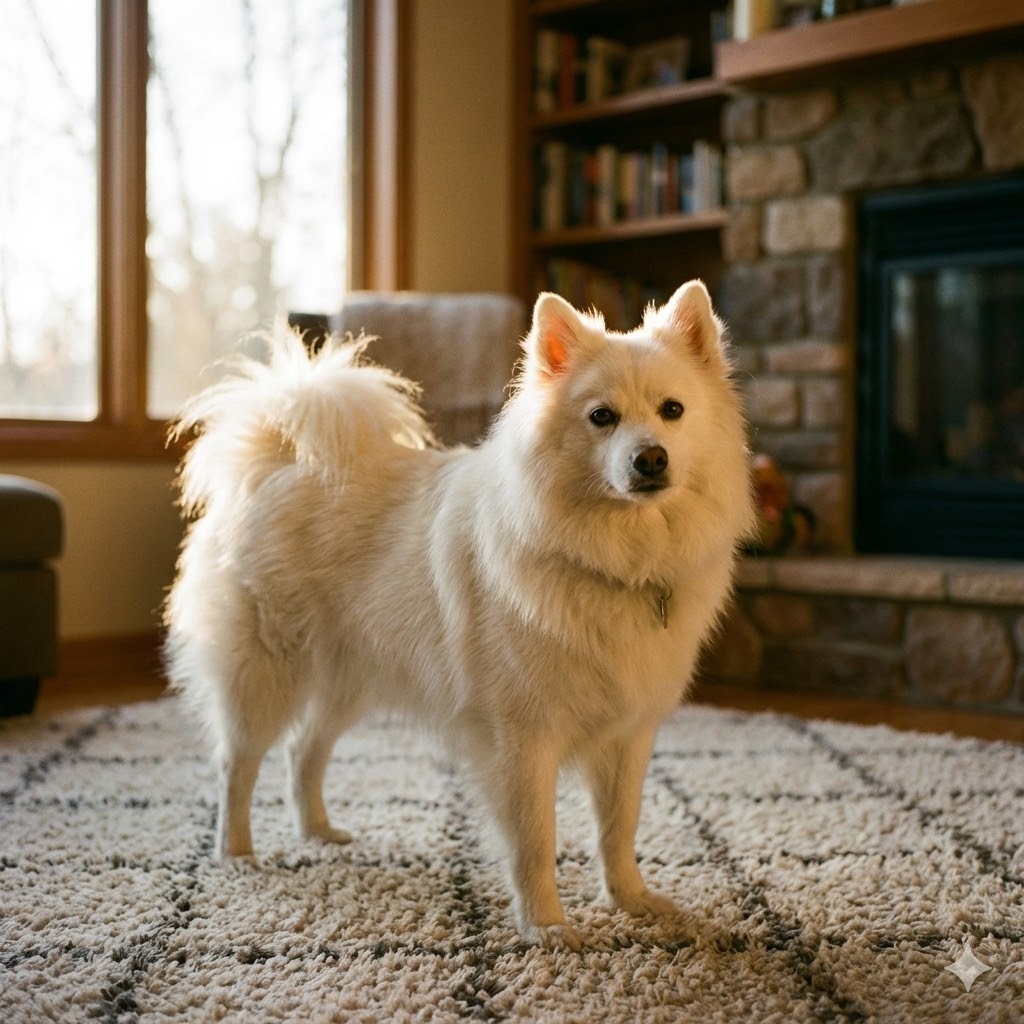
American Eskimo Dog
Also known as: Eskie, German Spitz (historical)
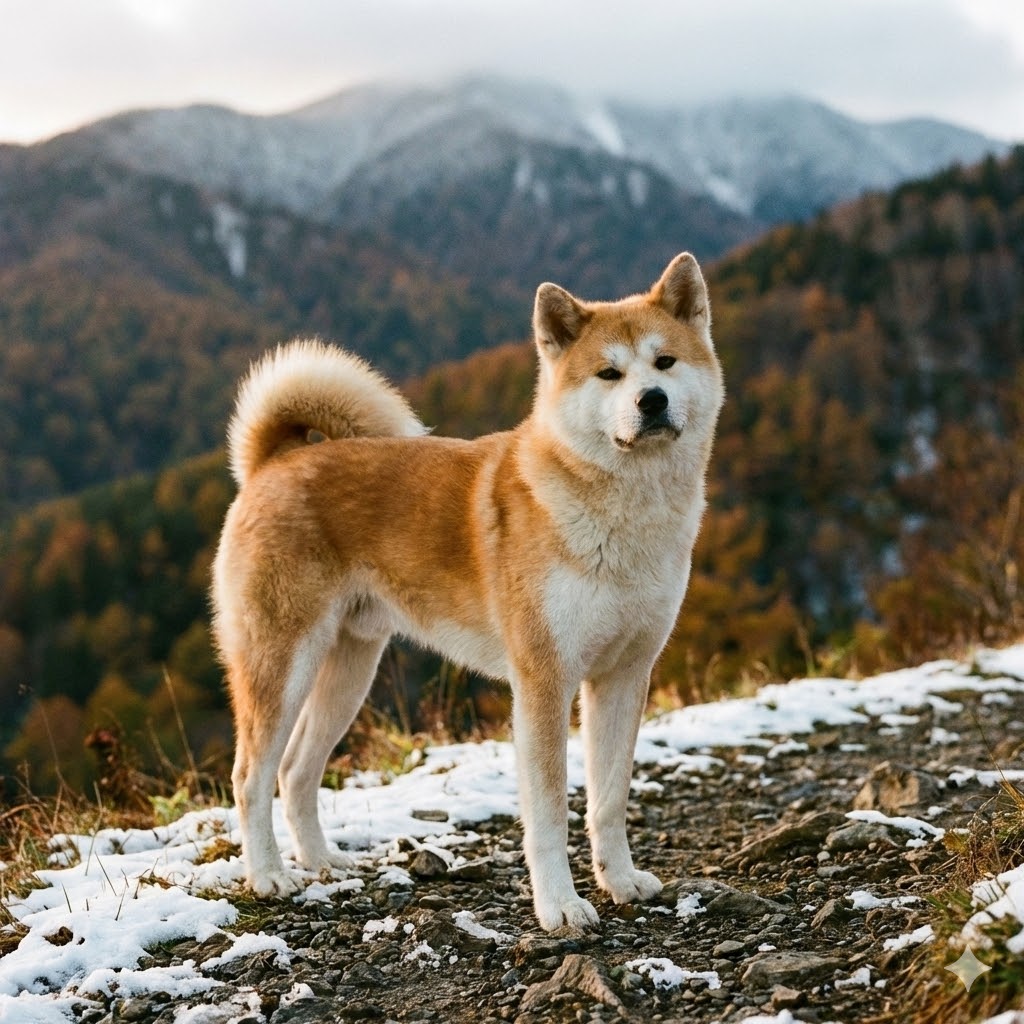
The American Eskimo Dog is a lively and intelligent breed known for its striking white coat, fox-like face, and friendly disposition. Originally bred as a companion and watchdog, this versatile breed excels in various activities and is cherished for its playful and affectionate nature.
Medium
High
13-15 yrs
22.9-48.3 cm
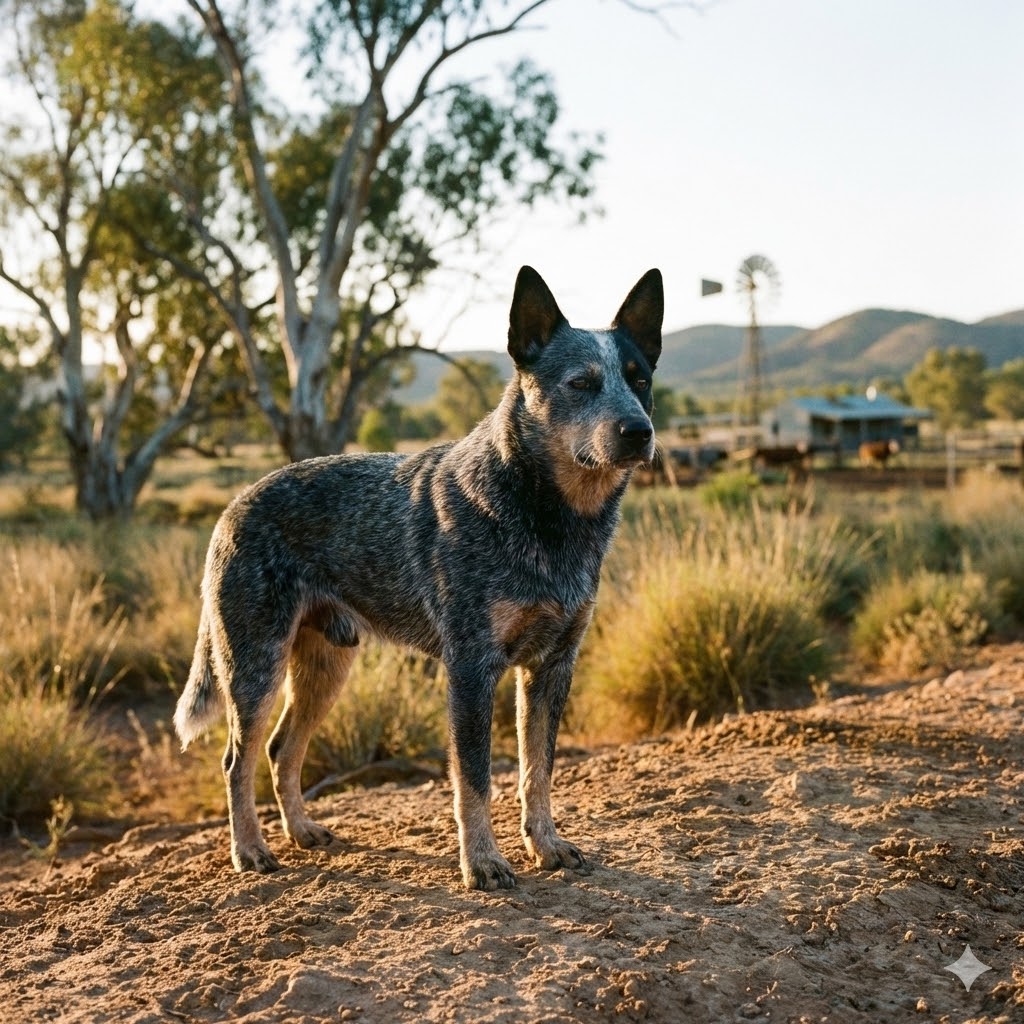
Australian Cattle Dog
Also known as: Blue Heeler, Red Heeler, Queensland Heeler, ACD, Heeler
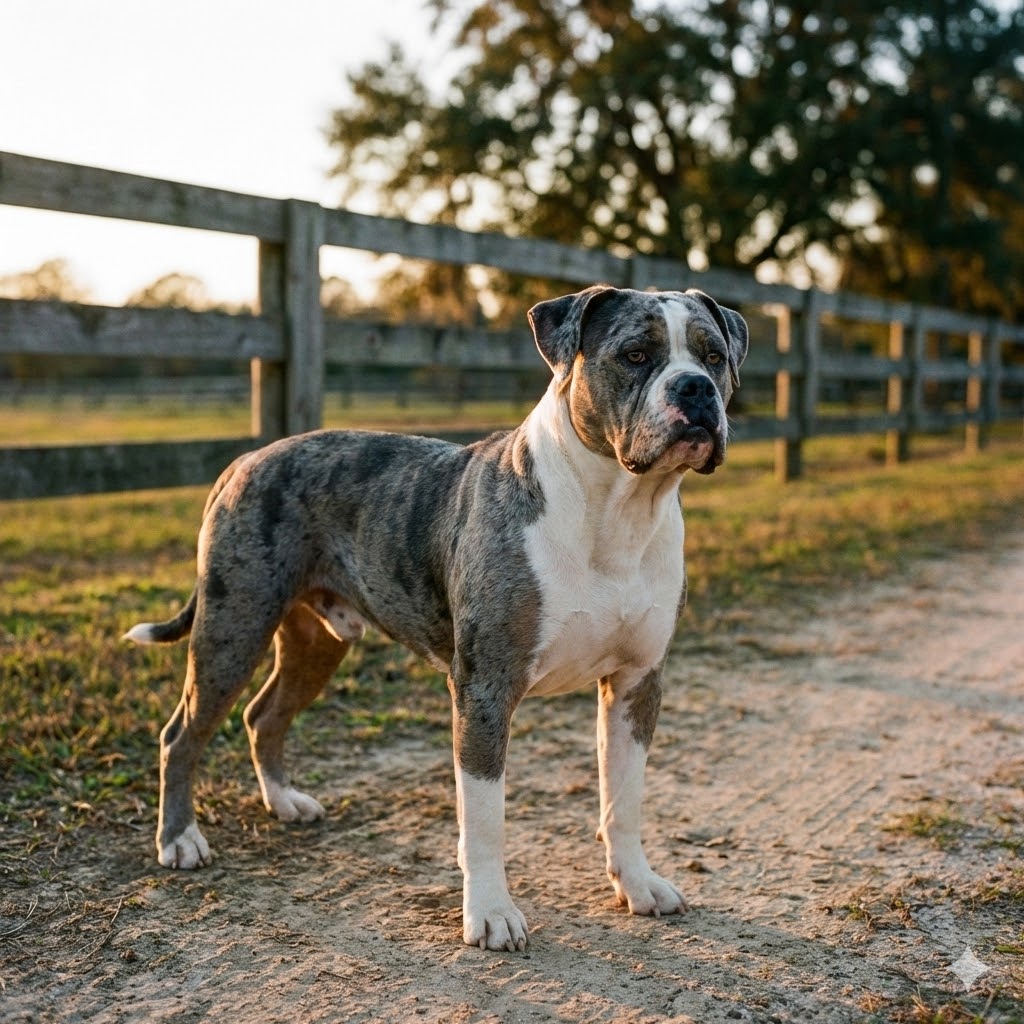
The Australian Cattle Dog (ACD), widely known as the Blue or Red Heeler, is a canine of paradoxes: fiercely loyal yet fiercely independent, highly trainable yet stubbornly autonomous, and ruggedly durable yet prone to specific genetic vulnerabilities. Bred to drive half-wild cattle across the harsh Australian outback, this medium-sized dog thrives on having a job and will create chaos without one.
Medium
High
12-16 yrs
43-51 cm
Quick Comparison
| Trait | American Eskimo Dog | Australian Cattle Dog |
|---|---|---|
| Energy | ||
| Trainability | ||
| Grooming Needs | ||
| Family Friendly | ||
| Independence |
Key Characteristics
| Good with Kids | ||
| Good with Dogs | ||
| Good with Cats | ||
| Hypoallergenic | ||
| Apartment Friendly | ||
| First-Time Owner OK |
| Detail | American Eskimo Dog | Australian Cattle Dog |
|---|---|---|
| Size | Medium | Medium |
| Energy Level | High | High |
| Grooming | High | Medium |
| Trainability | Easy | Moderate |
| Barking Level | High | Medium |
| Shedding Level | High | Medium |
| Chew strength | Moderate | Hard |
| Housing | Yard | Acreage |
Owner Fit & Decision Guide
Owner Match
| Trait | American Eskimo Dog | Australian Cattle Dog |
|---|---|---|
| Experience Level | Intermediate | Advanced |
| First-Time Owner | ||
| Ideal Owner | Engaged owner or active family who enjoys trick training, daily cognitive enrichment, and regular grooming. | Experienced dog owner with active lifestyle (running, hiking, biking). Works from home or has flexible schedule. Ideally has access to land, livestock work, or dog sports. Committed to ongoing training and socialization. Understands and accepts heeling/nipping as a breed trait to be managed, not 'fixed.' |
American Eskimo Dog Dealbreakers
- Inability to tolerate heavy shedding
- Unwillingness to manage alert barking
- Leaving the dog alone 10+ hours daily
Australian Cattle Dog Dealbreakers
- Sedentary lifestyle - if you want to watch TV after work, don't get this dog
- Small children in household - high risk of nipping kids under 8-10 years
- Want a friendly dog for guests - they guard their home and are suspicious of strangers
- No experience reading canine body language
Surrender Risk
| Factor | American Eskimo Dog | Australian Cattle Dog |
|---|---|---|
| Risk Level | Moderate | High |
| Primary Reasons | Incessant alert barking triggering neighborhood disputes, Profuse hair shedding on furniture and clothing, Separation anxiety vocalizations and destructive digging, Nipping/snapping at strangers due to lack of puppy socialization | Heeler Nipping - biting children who run, Destructive Behavior from boredom/insufficient exercise, The 'Bluey Effect' - media creates unrealistic expectations |
Temperament & Personality
Behavior Comparison
| Trait | American Eskimo Dog | Australian Cattle Dog |
|---|---|---|
| Prey Drive | ||
| Watchdog Ability | ||
| Stranger Friendly | ||
| Drool Level | ||
| Wanderlust |
Vocalization
| Trait | American Eskimo Dog | Australian Cattle Dog |
|---|---|---|
| Barking Level | High | Medium |
| Howling Tendency | ||
| Whining Tendency | Moderate | High |
| Separation Vocalization |
Safety & Reliability
| Trait | American Eskimo Dog | Australian Cattle Dog |
|---|---|---|
| Escape Artist | ||
| Dog Park Suitable | ||
| Off-Leash Reliable | ||
| Small Animal Safe | ||
| Leash Reactivity | ||
| Resource Guarding Risk | Low | Moderate |
American Eskimo Dog Social Traits
High
Moderate
Australian Cattle Dog Social Traits
High
Often intolerant of strange dogs, especially same-sex at 18-24 months
Training
American Eskimo Dog
- Begin anti-barking impulse control early.
- Incorporate trick performance into daily meals.
- Avoid physical corrections which cause shutdown.
Australian Cattle Dog
- Use their drive (toys/play) rather than just food as rewards
- Keep training sessions short and varied
- Start bite inhibition training on day one - this is non-negotiable
- Extensive socialization before 14 weeks is critical for managing stranger wariness
American Eskimo Dog Considerations
High vocal tendency and alert sentry instincts lead to sharp alarm barking at noises, doorbells, delivery workers, and strangers.
Double coat sheds constantly with massive biannual undercoat blowouts, depositing white hair on furniture and clothing.
High attachment and working intelligence mean isolation or lack of mental exercise results in nuisance barking and destructive problem-solving.
Australian Cattle Dog Considerations
Bred to move stubborn cattle by biting at their heels, this instinct translates to nipping running children, joggers, bicycles, and even cars. This is a feature, not a bug - but it's the #1 reason families surrender this breed for 'aggression.'
Unlike friendly Golden Retrievers, ACDs are genetically programmed to be suspicious. They are natural watchdogs that can escalate to fear-aggression without extensive early socialization. They guard their home, car, and person intensely.
They bond intensely to one person while merely tolerating others. They will follow you to the bathroom and may develop severe separation anxiety if excluded from family activities. They want to be in the same room as their person at all times.
Particularly in females, ACDs often become selective and intolerant of other dogs upon reaching social maturity (18-24 months). Dog parks are often a poor fit for this breed.
Multi-Species Compatibility
| Species | American Eskimo Dog | Australian Cattle Dog |
|---|---|---|
| With Cats | Good if raised together; running animals may trigger chase instincts. | Caution - can coexist with dog-savvy cats if raised from puppyhood, but will chase if the cat runs |
| Small Mammals | Caution; retained Spitz hunting instinct can lead to catching rodents or rabbits. | Unsafe - terrier/dingo heritage makes them dangerous to rodents and rabbits |
| Birds / Reptiles | N/A | High risk - movement triggers predatory chase |
Advanced Behavior
| Trait | American Eskimo Dog | Australian Cattle Dog |
|---|---|---|
| Predatory Sequence Risk | Moderate | Arrested (High Drive) |
| Biddability | Very high | High (but Selective) |
| Noise Sensitivity | High | Low |
| Territorial Barking | ||
| Same-Sex Aggression Onset | N/A | 18 months |
American Eskimo Dog: Top 10-15% of domestic canines in command acquisition; constructs multi-step problem solving.
Australian Cattle Dog: Predatory sequence is Eye → Stalk → Chase → Grab-Bite (Nip). The 'kill' is inhibited for large animals but for small animals (cats, squirrels), it can proceed further. They are pragmatic - they need a reason to obey, unlike Border Collies who work for the sake of work.
First Year & Life Stages
First Year Challenges
| Challenge | American Eskimo Dog | Australian Cattle Dog |
|---|---|---|
| Puppy Difficulty | ||
| Destructive Phase | 6-18 | 6-18 |
| House Training | Moderate | Medium |
| Crate Training | High | High |
| Adolescent Regression |
American Eskimo Dog: Crate training is essential to prevent destructive investigative chewing when mentally bored.
Australian Cattle Dog: ACD puppies are 'land sharks' - they nip heels, pant legs, and hands with intent. Unlike a mouthy Lab, these nips are meant to control and can break skin. Immediate boundary setting regarding biting is critical.
Life Stages Timeline
| Stage | American Eskimo Dog | Australian Cattle Dog |
|---|---|---|
| Puppy Phase | 6 months | 12 months |
| Adolescence | 6-18 | 12-36 |
| Adult Years | 2-9 | 3-9 |
| Senior Onset | ~10 years | ~10 years |
| Peak Energy Age | 2-9 years | 1-3 years |
Size & Physical Characteristics
Physical Stats
| Measurement | American Eskimo Dog | Australian Cattle Dog |
|---|---|---|
| Height | 22.9-48.3 cm | 43-51 cm |
| Weight | Not enough data yet | Not enough data yet |
| Size Category | Medium | Medium |
| Lifespan | 13–15 years | 12–16 years |
| Litter Size | 3-5 | 5-7 |
American Eskimo Dog Coat
Australian Cattle Dog Coat
Lineage & Origin
| Detail | American Eskimo Dog | Australian Cattle Dog |
|---|---|---|
| Original Purpose | Multi-purpose Midwestern farm dog and traveling theatrical circus trick dog | Driving half-wild cattle across vast Australian outback distances by nipping at heels |
| Origin | United States (descended from German Spitz) | New South Wales, Australia, 19th century |
Breeding Details
| Detail | American Eskimo Dog | Australian Cattle Dog |
|---|---|---|
| C-Section Rate | Low to moderate | Low |
| Whelping Difficulty | Low | Easy |
| Puppy Mortality Rate | N/A | Low |
Physical Risks
| Risk | American Eskimo Dog | Australian Cattle Dog |
|---|---|---|
| Bloat / GDV Risk | Low | Low |
| Slippery Floor Risk | Moderate | Low |
| Min Fence Height | 1.5m | 1.5m |
| Dig / Escape Risk | Moderate | Medium |
Health & Common Conditions
American Eskimo Dog Health Issues
Australian Cattle Dog Health Issues
American Eskimo Dog Suggested Tests
- Hip Dysplasia Evaluation
- Eye Examination by Board-Certified ACVO Ophthalmologist
- Progressive Rod-Cone Degeneration (prcd-PRA) DNA Test
- Patellar Luxation evaluation (OFA)
- Congenital Cardiac Database exam (OFA)
- Autoimmune Thyroiditis evaluation (OFA)
- Legg-Calvé-Perthes Disease (principally Toy and Miniature)
- Elbow Dysplasia evaluation
- Degenerative Myelopathy (DM) DNA test
Australian Cattle Dog Suggested Tests
- BAER (Brainstem Auditory Evoked Response) at 6 weeks
- Genetic testing for prcd-PRA
- Genetic testing for PLL
- Hip Evaluation (OFA)
- Elbow Evaluation
Health Risk Overview
| Risk Factor | American Eskimo Dog | Australian Cattle Dog |
|---|---|---|
| Cancer Risk | Medium | Low |
| Cardiac Risk | Low | Low |
| Neurological Risk | Low | Low |
| CCL/ACL Tear Risk | Low | High |
| Vet Burden Tier | Medium | Medium |
Sensitivities & Allergies
| Sensitivity | American Eskimo Dog | Australian Cattle Dog |
|---|---|---|
| Skin Allergies | ||
| Environmental Allergies | ||
| Stomach Sensitivity | Low | Low |
| Food Allergies | Chicken, Beef, Soy | Generally hardy |
Health Maintenance
| Care Item | American Eskimo Dog | Australian Cattle Dog |
|---|---|---|
| Nail Growth Rate | Normal | Fast |
| Eye Care Needs | High | Medium |
| Anal Gland Issues | Rare | Rare |
Senior Care & Aging
American Eskimo Dog Senior Care
Common Senior Issues
- Senile bilateral cataracts
- Osteoarthritis
- Diabetes Mellitus
- Periodontal disease
- Cognitive dysfunction syndrome
Provide ramps for couch/car access to protect patellae and hips.
Australian Cattle Dog Senior Care
Common Senior Issues
- Arthritis
- Deafness (age-related on top of genetic risk)
- Blindness from PRA
They age remarkably well compared to other breeds. Many remain active into their teens. Longevity is a breed hallmark - the oldest verified dog ever was an ACD named Bluey who lived to 29 years.
Grooming & Care
American Eskimo Dog
high maintenanceAustralian Cattle Dog
medium maintenanceLifestyle Compatibility
American Eskimo Dog Daily Life
Australian Cattle Dog Daily Life
Housing & Legal Restrictions
| Restriction | American Eskimo Dog | Australian Cattle Dog |
|---|---|---|
| BSL Restricted | ||
| Common Rental Ban | ||
| Insurance Blacklist | ||
| Weight Category | Varies by variety; Toy/Miniature under 20 lbs, Standard 25-35 lbs | 25-50lbs |
Climate Tolerance
| Climate | American Eskimo Dog | Australian Cattle Dog |
|---|---|---|
| Heat Tolerance | ||
| Cold Tolerance | ||
| Water Affinity | N/A | Medium |
Travel Compatibility
| Activity | American Eskimo Dog | Australian Cattle Dog |
|---|---|---|
| Car Travel | High | Excellent |
| Camping | ||
| Beach Friendly | ||
| Hiking Rating | ||
| Cabin Flight Eligible | ||
| Hotel Friendly Size |
Niche Suitability
| Role | American Eskimo Dog | Australian Cattle Dog |
|---|---|---|
| Service Dog | Moderate | Medium |
| Therapy Dog | Moderate | Low |
| Deep Pressure Therapy | ||
| Canicross / Bikejoring | ||
| Apartment Adaptable | ||
| Tactile / Sensory Friendly | ||
| Livestock Guardian | ||
| Medical Alert | Moderate | Low |
Costs & Expenses
Upfront Costs
| Cost | American Eskimo Dog | Australian Cattle Dog |
|---|---|---|
| Purchase Price | 1500-2800 | $800-2,500 |
| Initial Cost Range | $1,500–$2,800 | $800–$2,500 |
| Cost Tier |
Ongoing Costs
| Cost | American Eskimo Dog | Australian Cattle Dog |
|---|---|---|
| Monthly Range | $100–$183 | $100–$200 |
| Yearly Range | $1,200–$2,200 | $1,500–$2,500 |
| Food / Month | N/A | $40-100 |
| Insurance / Month | N/A | $40-70 |
| Grooming / Session | N/A | $30-50 |
| Vet Routine / Year | 600-1200 | $400-800 |
| Monthly Cost Tier |
American Eskimo Dog Lifetime Cost
18000-32000
Australian Cattle Dog Lifetime Cost
$18,000-35,000
Quirks & Fun Facts
Daily Quirks
| Quirk | American Eskimo Dog | Australian Cattle Dog |
|---|---|---|
| Snoring | ||
| Flatulence | Low | Rare |
| Slobber Level | Low | None |
| Smell When Wet | Low | Mild |
| Zoomies Frequency | High | Daily |
| Counter Surfing | ||
| Digging Tendency | Moderate | Medium |
American Eskimo Dog Quirks
Eskie Smile
Submissive grimace retracting the upper lips and squinting eyes to express delight.
Snow Plowing
Shoving snout and chest into fresh winter snow while running in circles.
Feline Perching
Perching on high surfaces, back of couches, and window sills to monitor surroundings.
Hind-Leg Walking
Spontaneously standing and walking steps on hind legs to solicit food or trick play.
Australian Cattle Dog Quirks
The Heeler Nip
Will attempt to herd anything that moves - children, joggers, bicycles, cars, vacuum cleaners - by nipping at heels
Shrimping
Unique sleeping position where they tuck all legs and curl into a tight ball, resembling a shrimp
The Cattle Dog Sit
Often sit lazily on one hip with legs kicked out to the side - this is normal, not a sign of hip dysplasia
Dingo Whine
A specific high-pitched whine used to manipulate owners or express frustration - inherited from their Dingo ancestry
Oral Fixation
Mouthy dogs that explore the world with their mouth well into adulthood
Stoic Pain Tolerance
Will run on a broken leg if adrenaline is high - owners must be vigilant for subtle signs of injury
Frequently Asked Questions
Turn your dog into a brand deal.
Pet brands are looking for authentic creators — not celebrities. If you own a American Eskimo Dog or Australian Cattle Dog, you can land collabs — product, gear, and exclusive perks — for sharing your dog's life on Instagram.
No followers minimum · Free to join
Compare with Other Breeds
Compare American Eskimo Dog with:
Compare Australian Cattle Dog with:
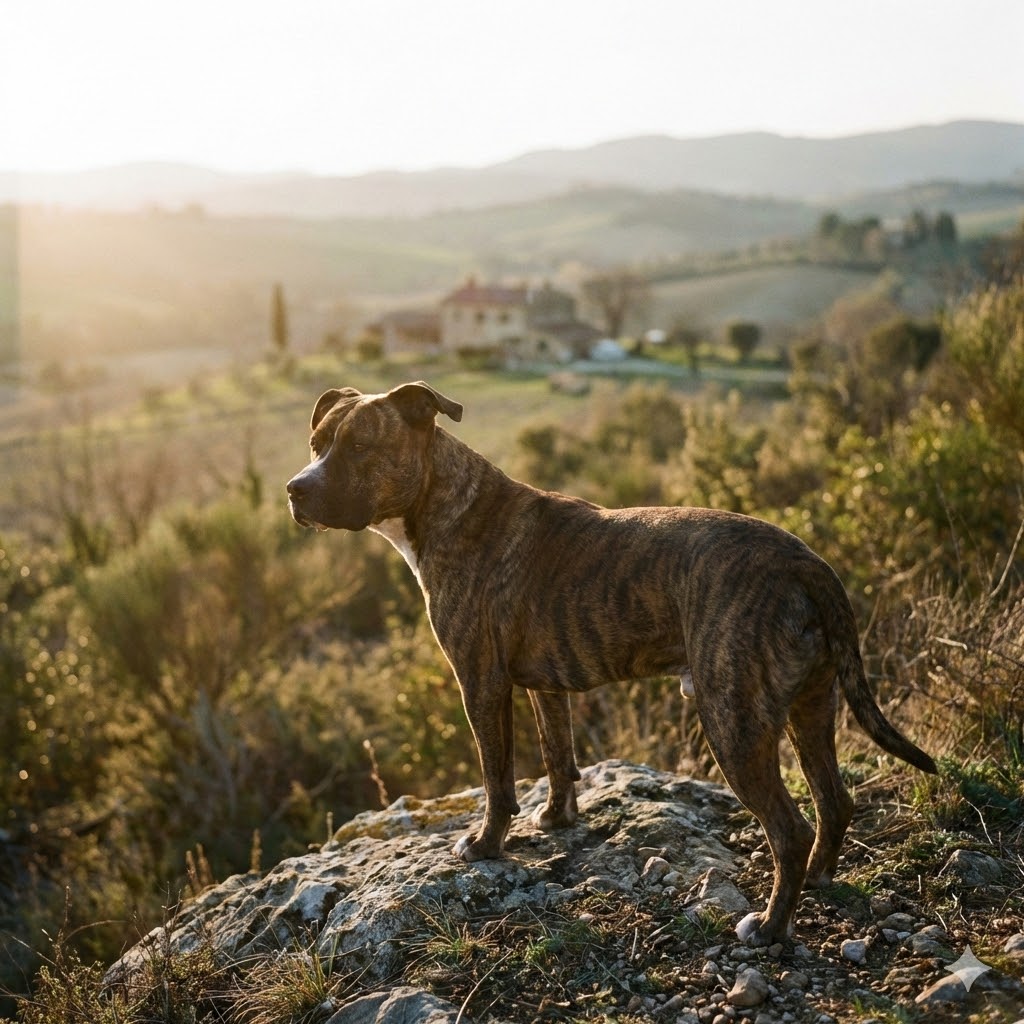
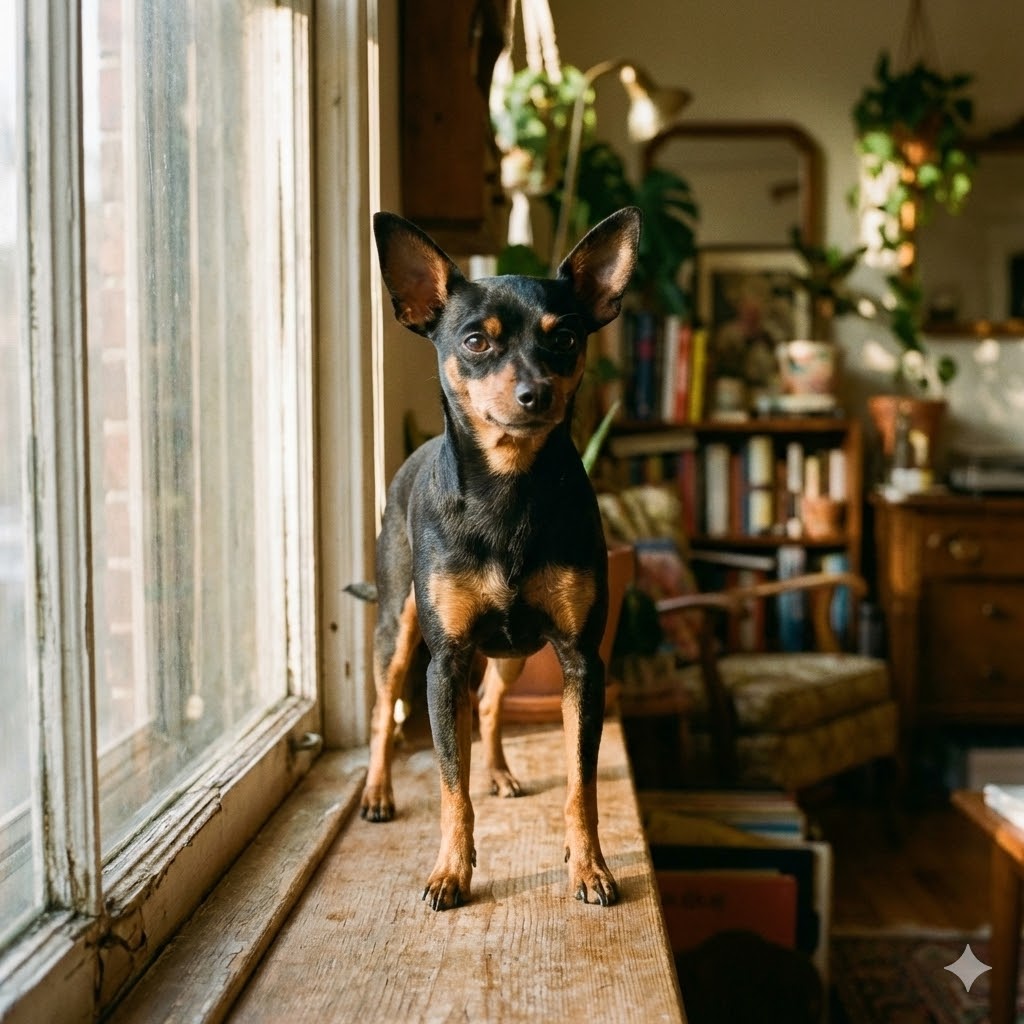
Based on comprehensive breed research data.
View American Eskimo Dog profile·View Australian Cattle Dog profile