American Eskimo Dog vs Maltese
A side-by-side comparison to help you find the right breed for your lifestyle.
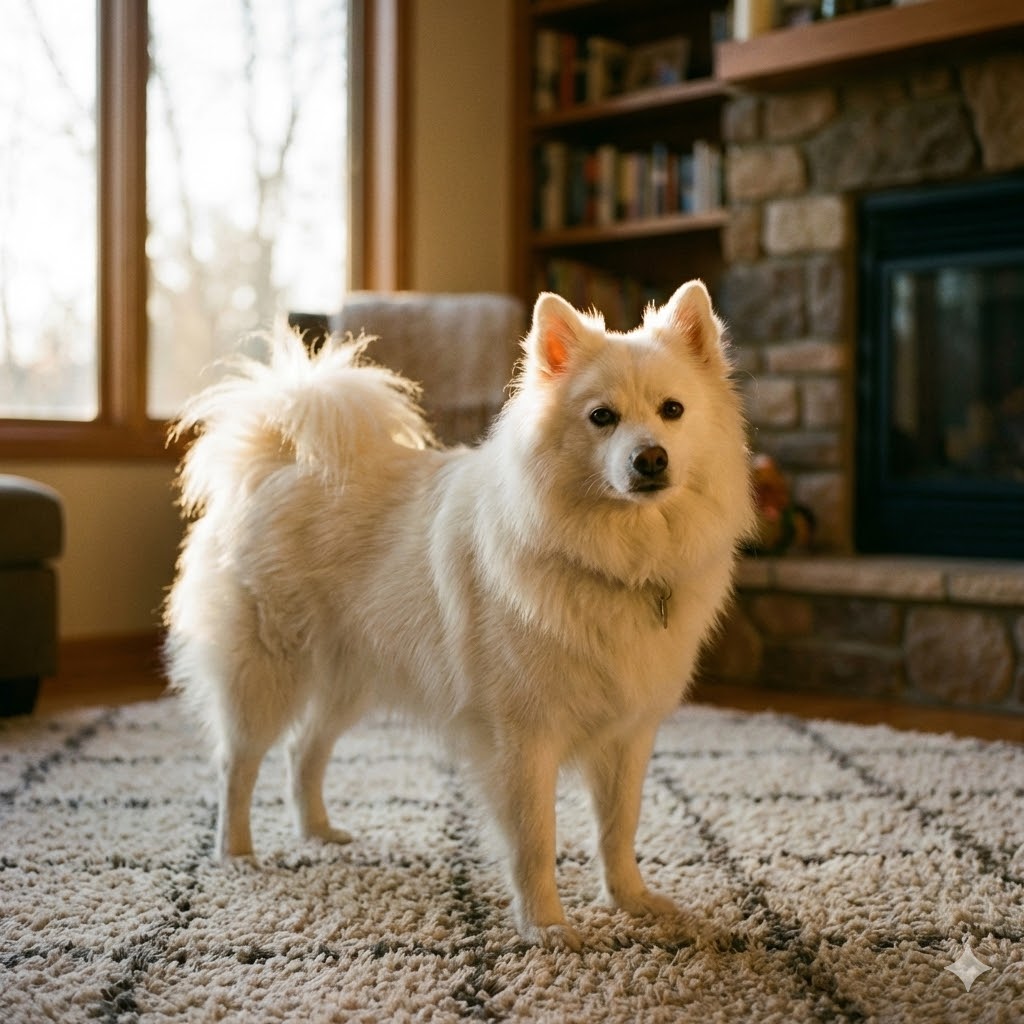
American Eskimo Dog
The American Eskimo Dog is a lively and intelligent breed known for its striking white coat, fox-like face, and friendly disposition. Originally bred as a companion and watchdog, this versatile breed excels in various activities and is cherished for its playful and affectionate nature.
Medium
High
13–15 years yrs
N/A

Maltese
Also known as: Maltese Lion Dog, Melita, Roman Ladies' Dog, Ye Ancient Dogge of Malta
The Maltese is an ancient companion breed with a long, silky white coat. Known for its affectionate, devoted nature and low-shedding coat, this toy breed requires dedicated grooming but rewards owners with unwavering devotion. Originally bred for over 2,000 years solely for companionship, the Maltese thrives on human contact and struggles when left alone.
Extra Small
Medium
12-15+ yrs
21-25 cm
1.8-3.2 kg
Quick Comparison
| Trait | American Eskimo Dog | Maltese |
|---|---|---|
| Energy | ||
| Trainability | ||
| Grooming Needs | ||
| Family Friendly | ||
| Independence |
Key Characteristics
| Good with Kids | ||
| Good with Dogs | ||
| Good with Cats | ||
| Hypoallergenic | ||
| Apartment Friendly | ||
| First-Time Owner OK |
| Detail | American Eskimo Dog | Maltese |
|---|---|---|
| Size | Medium | Extra Small |
| Energy Level | High | Medium |
| Grooming | Medium | High |
| Trainability | Easy | Moderate |
| Barking Level | High | High |
| Shedding Level | High | Low |
| Chew strength | Moderate | Light |
| Housing | Yard | Apartment |
Owner Fit & Decision Guide
Owner Match
| Trait | American Eskimo Dog | Maltese |
|---|---|---|
| Experience Level | Beginner | Beginner (with grooming commitment) |
| First-Time Owner | ||
| Ideal Owner | Active individual or family who can provide adequate exercise and training for a American Eskimo Dog. | Retirees, empty nesters, or remote workers who enjoy constant physical contact. Someone who wants a 'baby' rather than just a dog and has time for dedicated grooming. |
American Eskimo Dog Dealbreakers
- Cannot meet 60-90 min daily exercise
- Cannot tolerate heavy shedding
Maltese Dealbreakers
- Work away from home 8+ hours
- Have toddlers (fragile breed - falling on Maltese can break bones)
- Cannot commit to daily grooming and dental care
- Noise-sensitive living situation
Surrender Risk
| Factor | American Eskimo Dog | Maltese |
|---|---|---|
| Risk Level | Medium | Medium |
| Primary Reasons | Underestimated exercise needs, Behavioral challenges, Cost of care | Moving/housing changes, Lack of time for grooming and companionship, Behavioral issues (barking, housebreaking failures) |
Temperament & Personality
Behavior Comparison
| Trait | American Eskimo Dog | Maltese |
|---|---|---|
| Prey Drive | ||
| Watchdog Ability | ||
| Stranger Friendly | ||
| Drool Level | ||
| Wanderlust |
Vocalization
| Trait | American Eskimo Dog | Maltese |
|---|---|---|
| Barking Level | High | High |
| Howling Tendency | ||
| Whining Tendency | Low | High |
| Separation Vocalization |
Safety & Reliability
| Trait | American Eskimo Dog | Maltese |
|---|---|---|
| Escape Artist | ||
| Dog Park Suitable | ||
| Off-Leash Reliable | ||
| Small Animal Safe | ||
| Leash Reactivity | ||
| Resource Guarding Risk | Low | Moderate |
American Eskimo Dog Social Traits
Low
Generally friendly
Maltese Social Traits
Moderate
Often doesn't realize small size - may challenge large dogs (Napoleon Complex)
Training
American Eskimo Dog
- s will cause them to shut down or become defensive. They learn by watching; owners often report their Eskies learning to open crates or doors by observation.
Maltese
- Use treats and praise exclusively - harsh methods backfire
- Don't laugh when puppy growls at slippers - set boundaries early
- Consistency is key with housebreaking - frequent outings, crate training
Maltese Considerations
Bred for millennia solely for companionship, Maltese often panic when left alone. This manifests as destructive chewing, self-mutilation (licking paws raw), and relentless vocalization. Not suitable for 8-hour workdays without intervention.
Despite their size, Maltese are vigilant watchdogs. They will announce every delivery truck, neighbor, and leaf. In apartments, this high-pitched, persistent barking can lead to noise complaints and eviction notices.
The single most common frustration. Small bladders require frequent outings, and they can be sneaky about indoor accidents. Even adult Maltese may not be 100% reliable outside a crate or pen.
Because they are fragile, owners often tolerate behaviors (growling, snapping, resource guarding) that would be unacceptable in larger dogs. This can create a dog that rules the household.
Multi-Species Compatibility
| Species | American Eskimo Dog | Maltese |
|---|---|---|
| With Cats | Generally safe with proper introduction | Generally excellent - one of the most cat-compatible breeds |
| Small Mammals | Supervision required | Generally safe with supervision - not a terrier, low prey drive |
| Birds / Reptiles | Caution advised | Use caution - fluttering birds may trigger chase instinct |
Advanced Behavior
| Trait | American Eskimo Dog | Maltese |
|---|---|---|
| Predatory Sequence Risk | Medium | Arrested/None |
| Biddability | High | High |
| Noise Sensitivity | Low | Medium |
| Territorial Barking | ||
| Same-Sex Aggression Onset | 18 months | N/A |
Maltese: Kill instinct largely bred out - may chase but rarely grab or kill. Cooperative partners who want to please, but also prioritize comfort. Leash reactivity stems from feeling vulnerable at small size.
First Year & Life Stages
First Year Challenges
| Challenge | American Eskimo Dog | Maltese |
|---|---|---|
| Puppy Difficulty | ||
| Destructive Phase | 6-12 | 4-10 |
| House Training | Easy | Hard |
| Crate Training | Medium | Medium |
| Adolescent Regression |
American Eskimo Dog: American Eskimo Dog puppies require consistent training and patience.
Maltese: Hypoglycemia risk in young puppies - monitor food intake vigilantly. Small bladder makes housebreaking a 4-6 month challenge minimum. Crate training essential but must be introduced gently.
Life Stages Timeline
| Stage | American Eskimo Dog | Maltese |
|---|---|---|
| Puppy Phase | 12 months | 10 months |
| Adolescence | 6-18 | 6-10 |
| Adult Years | 2-8 | 1-8 |
| Senior Onset | ~8 years | ~9 years |
| Peak Energy Age | 1-3 years | 1-4 years |
Size & Physical Characteristics
Physical Stats
| Measurement | American Eskimo Dog | Maltese |
|---|---|---|
| Height | N/A | 21-25 cm |
| Weight | Not enough data yet | Not enough data yet |
| Size Category | Medium | Extra Small |
| Lifespan | 13–15 years | N/A |
| Litter Size | 4-8 | 2-4 |
American Eskimo Dog Coat
Maltese Coat
Lineage & Origin
| Detail | American Eskimo Dog | Maltese |
|---|---|---|
| Original Purpose | The American Eskimo Dog is a misnomer; they have no connection to "Eskimo" culture | Companionship for Roman matrons and royalty |
| Origin | N/A | Mediterranean (Malta), referenced by Aristotle 384-322 BC |
Breeding Details
| Detail | American Eskimo Dog | Maltese |
|---|---|---|
| C-Section Rate | Varies | 20-30% |
| Whelping Difficulty | Medium | Medium |
| Puppy Mortality Rate | Low | Moderate |
Physical Risks
| Risk | American Eskimo Dog | Maltese |
|---|---|---|
| Bloat / GDV Risk | Low | Low |
| Slippery Floor Risk | Low | Medium |
| Min Fence Height | 1.5m | 0.6m |
| Dig / Escape Risk | Low | Low |
Health & Common Conditions
American Eskimo Dog Health Issues
Maltese Health Issues
American Eskimo Dog Suggested Tests
- prcd-PRA (DNA test)
- OFA Evaluations (Hips and Patellas)
Maltese Suggested Tests
- OFA Patella clearance
- OFA Cardiac clearance
- Serum Bile Acid test (liver shunt screening)
Health Risk Overview
| Risk Factor | American Eskimo Dog | Maltese |
|---|---|---|
| Cancer Risk | Medium | Low |
| Cardiac Risk | Low | High |
| Neurological Risk | Low | Medium |
| CCL/ACL Tear Risk | Low | Low |
| Vet Burden Tier | Medium | Medium |
Sensitivities & Allergies
| Sensitivity | American Eskimo Dog | Maltese |
|---|---|---|
| Skin Allergies | ||
| Environmental Allergies | ||
| Stomach Sensitivity | Low | Medium |
| Food Allergies | Chicken, Grains |
Health Maintenance
| Care Item | American Eskimo Dog | Maltese |
|---|---|---|
| Nail Growth Rate | Normal | Normal |
| Eye Care Needs | Low | High |
| Anal Gland Issues | Occasional | Occasional |
Senior Care & Aging
American Eskimo Dog Senior Care
Common Senior Issues
- Arthritis
- Vision decline
- Cognitive changes
Senior care varies by individual health.
Maltese Senior Care
Common Senior Issues
- Dental disease escalation
- Heart murmurs (MVD onset)
- Cataracts/vision loss
- Arthritis requiring furniture stairs
Significant dental intervention often needed by age 9+. Heart murmurs common - regular cardiac monitoring essential.
Grooming & Care
American Eskimo Dog
medium maintenanceMaltese
high maintenanceLifestyle Compatibility
American Eskimo Dog Daily Life
Maltese Daily Life
Housing & Legal Restrictions
| Restriction | American Eskimo Dog | Maltese |
|---|---|---|
| BSL Restricted | ||
| Common Rental Ban | ||
| Insurance Blacklist | ||
| Weight Category | Under 50lbs | Under 25lbs |
Climate Tolerance
| Climate | American Eskimo Dog | Maltese |
|---|---|---|
| Heat Tolerance | ||
| Cold Tolerance | ||
| Water Affinity | Medium | Low |
Travel Compatibility
| Activity | American Eskimo Dog | Maltese |
|---|---|---|
| Car Travel | Good | Good |
| Camping | ||
| Beach Friendly | ||
| Hiking Rating | ||
| Cabin Flight Eligible | ||
| Hotel Friendly Size |
Niche Suitability
| Role | American Eskimo Dog | Maltese |
|---|---|---|
| Service Dog | High | Low |
| Therapy Dog | Low | High |
| Deep Pressure Therapy | ||
| Canicross / Bikejoring | ||
| Apartment Adaptable | ||
| Tactile / Sensory Friendly | ||
| Livestock Guardian | ||
| Medical Alert | Low | Low |
Costs & Expenses
Upfront Costs
| Cost | American Eskimo Dog | Maltese |
|---|---|---|
| Purchase Price | N/A | $2,000-4,000 |
| Initial Cost Range | $1,000–$2,500 | $2,000–$4,000 |
| Cost Tier |
Ongoing Costs
| Cost | American Eskimo Dog | Maltese |
|---|---|---|
| Monthly Range | $60–$110 | $100–$180 |
| Yearly Range | $720–$1,320 | $2,000–$2,500 |
| Food / Month | $30-60 | $25-40 |
| Insurance / Month | $30-50 | $40-70 |
| Grooming / Session | $0-80 | $50-100 |
| Vet Routine / Year | $200-500 | $400-800 |
| Monthly Cost Tier |
American Eskimo Dog Lifetime Cost
N/A
Maltese Lifetime Cost
$25,000-40,000
Quirks & Fun Facts
Daily Quirks
| Quirk | American Eskimo Dog | Maltese |
|---|---|---|
| Snoring | ||
| Flatulence | Occasional | Rare |
| Slobber Level | Low | None |
| Smell When Wet | Moderate | Mild |
| Zoomies Frequency | Occasional | Weekly |
| Counter Surfing | ||
| Digging Tendency | Low | None |
Maltese Quirks
Reverse Sneezing
A common, alarming honking gasp sound caused by excitement or allergies. Usually harmless but terrifying for new owners.
Tear Staining
Rusty streaks under eyes caused by porphyrins in tears. Requires constant cosmetic management with daily wiping and filtered water.
Picky Eating
Master manipulators who may refuse food to hold out for something better. Don't give in or you'll create a monster.
Frequently Asked Questions
Turn your dog into a brand deal.
Pet brands are looking for authentic creators — not celebrities. If you own a American Eskimo Dog or Maltese, you can land collabs — product, gear, and exclusive perks — for sharing your dog's life on Instagram.
No followers minimum · Free to join
Compare with Other Breeds
Compare American Eskimo Dog with:
Based on comprehensive breed research data.