Australian Cattle Dog vs English Springer Spaniel
A side-by-side comparison to help you find the right breed for your lifestyle.
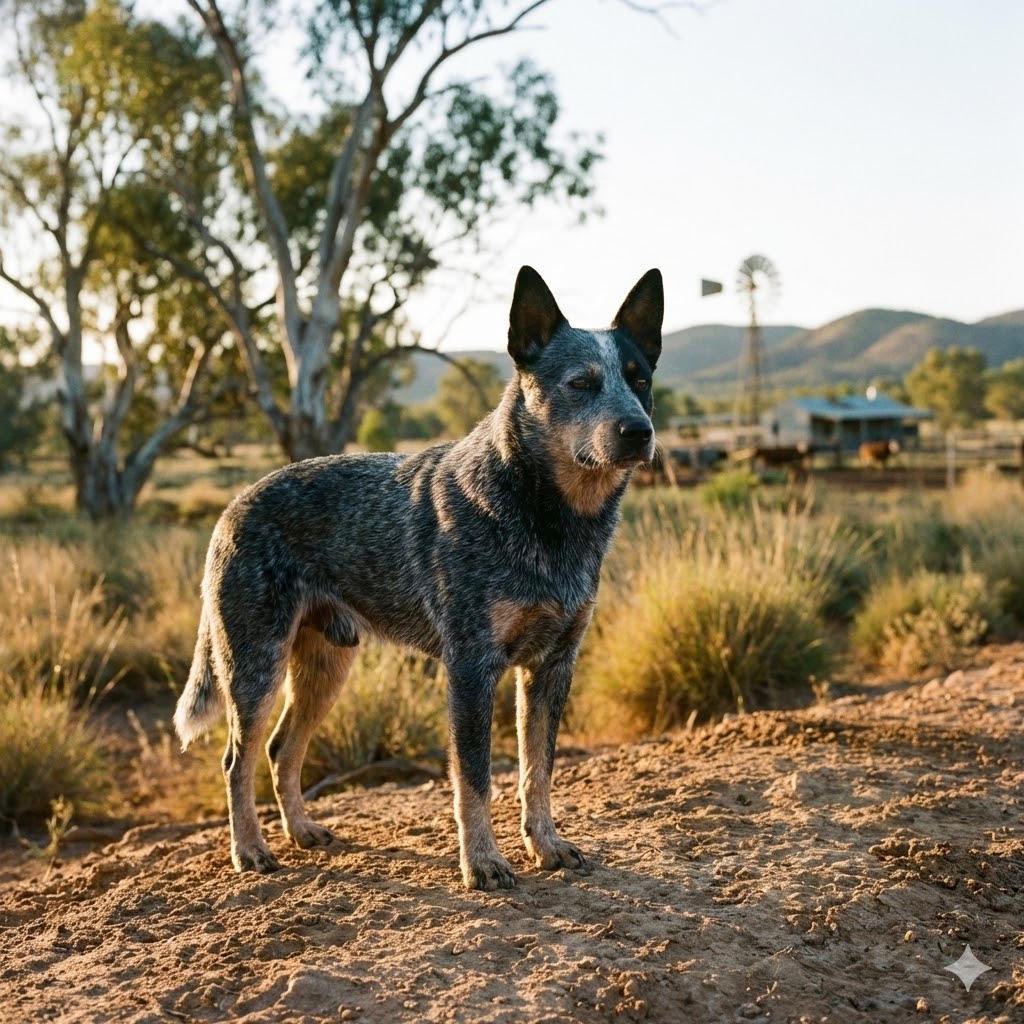
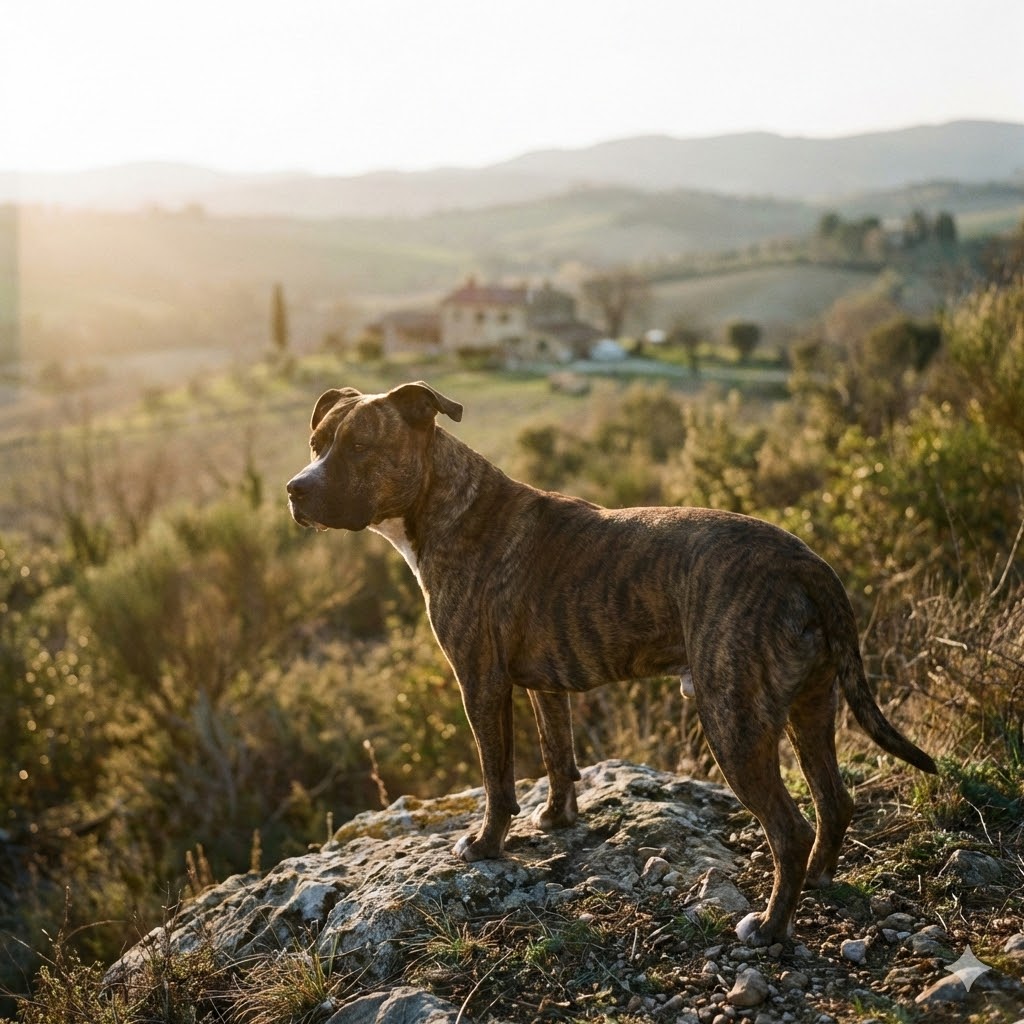
Australian Cattle Dog
Also known as: Blue Heeler, Red Heeler, Queensland Heeler, ACD, Heeler
The Australian Cattle Dog (ACD), widely known as the Blue or Red Heeler, is a canine of paradoxes: fiercely loyal yet fiercely independent, highly trainable yet stubbornly autonomous, and ruggedly durable yet prone to specific genetic vulnerabilities. Bred to drive half-wild cattle across the harsh Australian outback, this medium-sized dog thrives on having a job and will create chaos without one.
Medium
High
12-16 yrs
43-51 cm
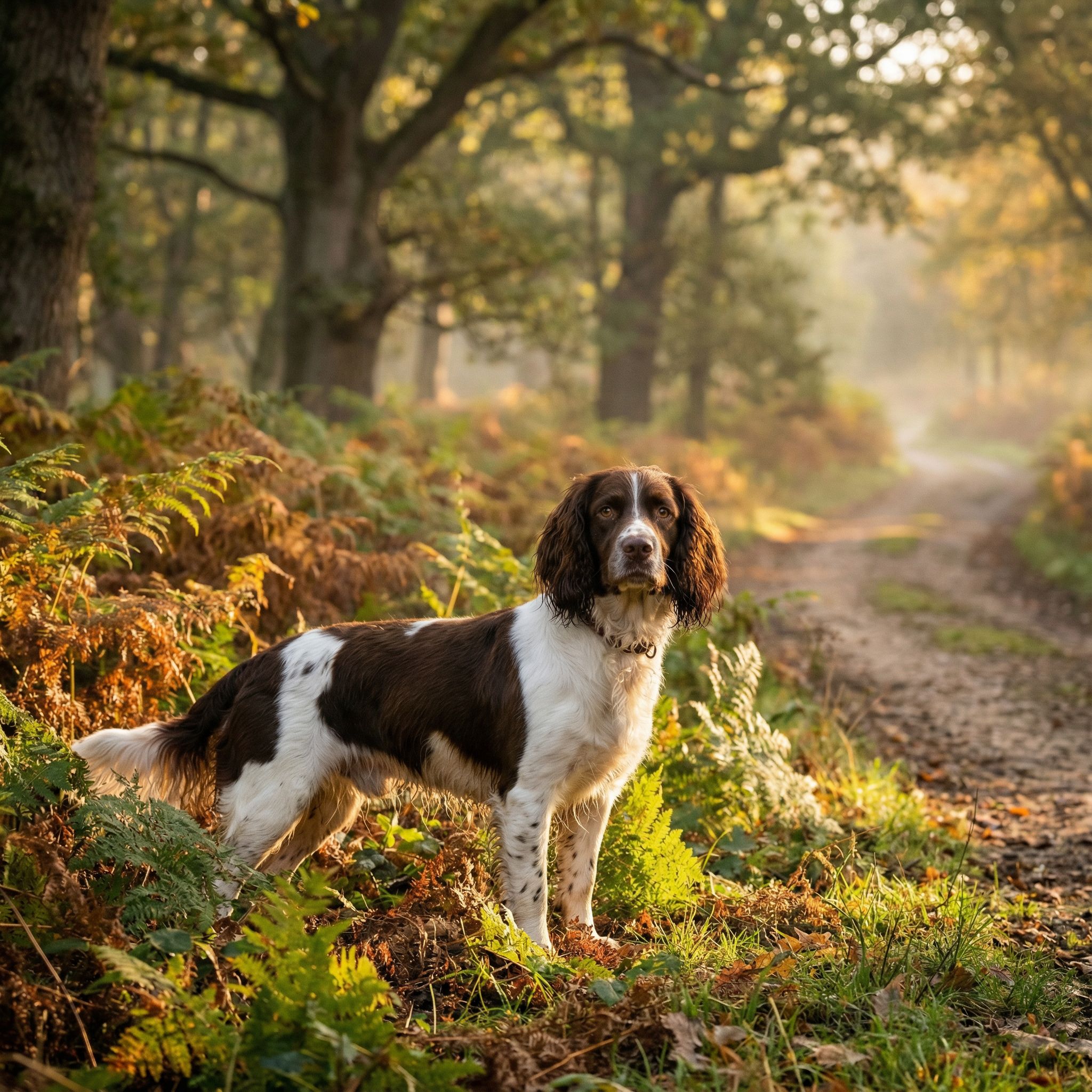
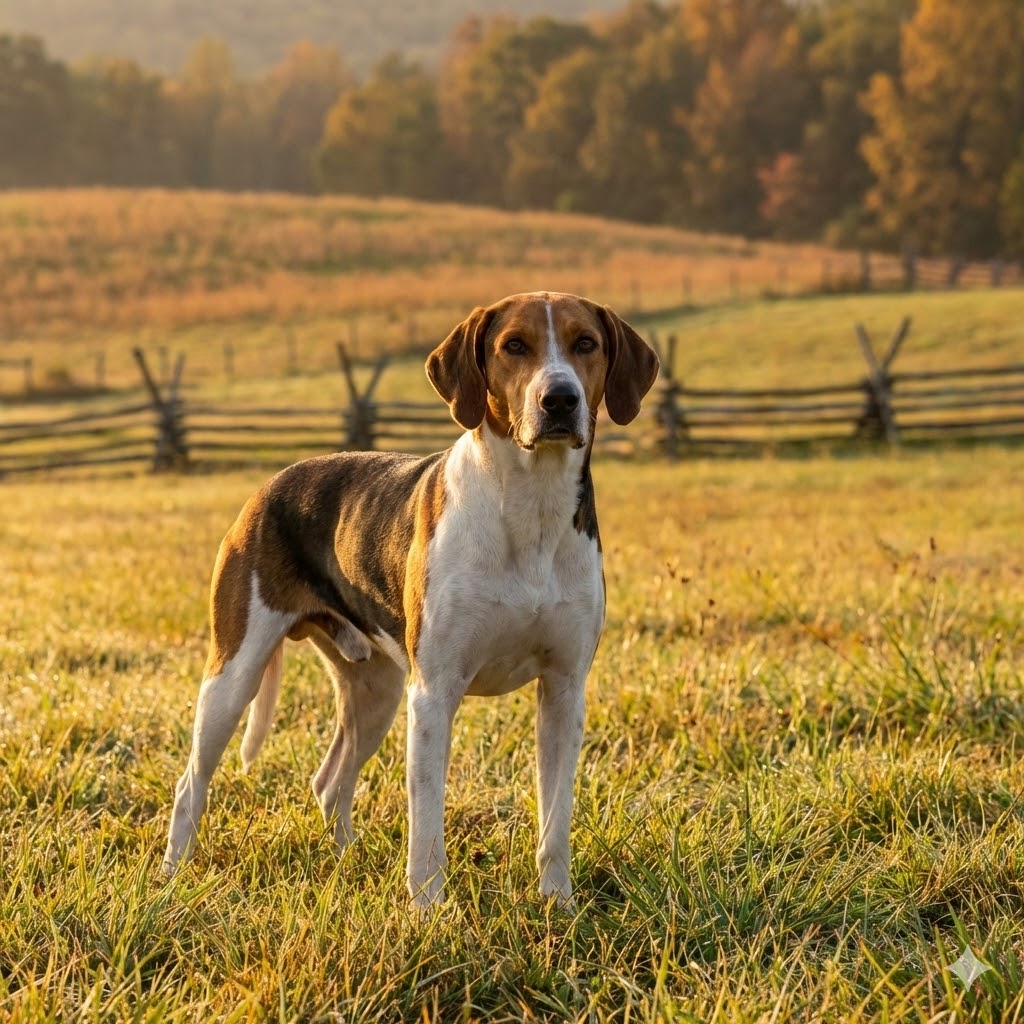
English Springer Spaniel
Also known as: Springer, ESS
The English Springer Spaniel is a versatile and energetic breed known for its friendly and affectionate nature, making it an excellent companion for families and active individuals. Originally bred for hunting, this medium-sized dog is highly trainable and excels in various canine sports and activities. They're called 'Springers' because they literally spring or flush game birds into the air.
Medium
High
12-14 yrs
48-51 cm
18-25 kg
Quick Comparison
| Trait | Australian Cattle Dog | English Springer Spaniel |
|---|---|---|
| Energy | ||
| Trainability | ||
| Grooming Needs | ||
| Family Friendly | ||
| Independence |
Key Characteristics
| Good with Kids | ||
| Good with Dogs | ||
| Good with Cats | ||
| Hypoallergenic | ||
| Apartment Friendly | ||
| First-Time Owner OK |
| Detail | Australian Cattle Dog | English Springer Spaniel |
|---|---|---|
| Size | Medium | Medium |
| Energy Level | High | High |
| Grooming | Medium | High |
| Trainability | Moderate | Easy |
| Barking Level | Medium | Medium |
| Shedding Level | Medium | Medium |
| Chew strength | Hard | Moderate |
| Housing | Acreage | Yard |
Owner Fit & Decision Guide
Owner Match
| Trait | Australian Cattle Dog | English Springer Spaniel |
|---|---|---|
| Experience Level | Advanced | Beginner (with active lifestyle) |
| First-Time Owner | ||
| Ideal Owner | Experienced dog owner with active lifestyle (running, hiking, biking). Works from home or has flexible schedule. Ideally has access to land, livestock work, or dog sports. Committed to ongoing training and socialization. Understands and accepts heeling/nipping as a breed trait to be managed, not 'fixed.' | Active individual or family committed to training and daily exercise. Works from home or can provide midday breaks. Tolerant of mud and moderate shedding. |
Australian Cattle Dog Dealbreakers
- Sedentary lifestyle - if you want to watch TV after work, don't get this dog
- Small children in household - high risk of nipping kids under 8-10 years
- Want a friendly dog for guests - they guard their home and are suspicious of strangers
- No experience reading canine body language
English Springer Spaniel Dealbreakers
- Sedentary lifestyle - do NOT get this breed if you want a couch potato
- Long work hours - not suitable for homes empty 8-10 hours/day
- Fastidious cleaners - they shed, track mud, and drip water from ears/jowls
Surrender Risk
| Factor | Australian Cattle Dog | English Springer Spaniel |
|---|---|---|
| Risk Level | High | Medium |
| Primary Reasons | Heeler Nipping - biting children who run, Destructive Behavior from boredom/insufficient exercise, The 'Bluey Effect' - media creates unrealistic expectations | Energy mismatch - owner underestimated exercise needs, Biting/aggression - often misdiagnosed rage or resource guarding in untrained dogs, Health costs - chronic ear/skin issues |
Temperament & Personality
Behavior Comparison
| Trait | Australian Cattle Dog | English Springer Spaniel |
|---|---|---|
| Prey Drive | ||
| Watchdog Ability | ||
| Stranger Friendly | ||
| Drool Level | ||
| Wanderlust |
Vocalization
| Trait | Australian Cattle Dog | English Springer Spaniel |
|---|---|---|
| Barking Level | Medium | Medium |
| Howling Tendency | ||
| Whining Tendency | High | Medium |
| Separation Vocalization |
Safety & Reliability
| Trait | Australian Cattle Dog | English Springer Spaniel |
|---|---|---|
| Escape Artist | ||
| Dog Park Suitable | ||
| Off-Leash Reliable | ||
| Small Animal Safe | ||
| Leash Reactivity | ||
| Resource Guarding Risk | Moderate | Moderate |
Australian Cattle Dog Social Traits
High
Often intolerant of strange dogs, especially same-sex at 18-24 months
English Springer Spaniel Social Traits
Low
Generally dog-friendly, enjoys pack play
Training
Australian Cattle Dog
- Use their drive (toys/play) rather than just food as rewards
- Keep training sessions short and varied
- Start bite inhibition training on day one - this is non-negotiable
- Extensive socialization before 14 weeks is critical for managing stranger wariness
English Springer Spaniel
- They respond best to positive reinforcement - harsh corrections cause shutdown or fearfulness
- Use their high food motivation to your advantage
- Channel their cooperative nature into obedience, agility, or rally
Australian Cattle Dog Considerations
Bred to move stubborn cattle by biting at their heels, this instinct translates to nipping running children, joggers, bicycles, and even cars. This is a feature, not a bug - but it's the #1 reason families surrender this breed for 'aggression.'
Unlike friendly Golden Retrievers, ACDs are genetically programmed to be suspicious. They are natural watchdogs that can escalate to fear-aggression without extensive early socialization. They guard their home, car, and person intensely.
They bond intensely to one person while merely tolerating others. They will follow you to the bathroom and may develop severe separation anxiety if excluded from family activities. They want to be in the same room as their person at all times.
Particularly in females, ACDs often become selective and intolerant of other dogs upon reaching social maturity (18-24 months). Dog parks are often a poor fit for this breed.
English Springer Spaniel Considerations
Bred to work cooperatively with humans, Springers don't thrive in isolation. Left alone for 6+ hours, they frequently develop destructive behaviors (chewing, digging) and distress vocalization.
Historically significant idiopathic aggression where the dog enters a trance-like state. Linked primarily to show/bench lines and low serotonin. True rage is distinct from resource guarding.
A bored Springer is a destructive Springer. They require 60-120 minutes of daily exercise. Under-exercised Springers become hyperactive, vocal, and destructive.
If there is mud, they will find it. Their feathering acts as a mop, tracking water and dirt everywhere. Not ideal for pristine households.
Multi-Species Compatibility
| Species | Australian Cattle Dog | English Springer Spaniel |
|---|---|---|
| With Cats | Caution - can coexist with dog-savvy cats if raised from puppyhood, but will chase if the cat runs | Generally good if raised together - may try to 'flush' them playfully |
| Small Mammals | Unsafe - terrier/dingo heritage makes them dangerous to rodents and rabbits | High risk - rabbits and hamsters trigger prey drive |
| Birds / Reptiles | High risk - movement triggers predatory chase | High risk - they are bird dogs, poultry are prey |
Advanced Behavior
| Trait | Australian Cattle Dog | English Springer Spaniel |
|---|---|---|
| Predatory Sequence Risk | Arrested (High Drive) | Arrested |
| Biddability | High (but Selective) | High |
| Noise Sensitivity | Low | Low |
| Territorial Barking | ||
| Same-Sex Aggression Onset | 18 months | N/A |
Australian Cattle Dog: Predatory sequence is Eye → Stalk → Chase → Grab-Bite (Nip). The 'kill' is inhibited for large animals but for small animals (cats, squirrels), it can proceed further. They are pragmatic - they need a reason to obey, unlike Border Collies who work for the sake of work.
English Springer Spaniel: Predatory sequence: Orient → Eye → Stalk → Chase → Flush (Spring) → Grab-Bite (Soft) → Retrieve. Kill/dissect portion is inhibited - soft mouth for retrieving game. Works *with* you, not just *for* you.
First Year & Life Stages
First Year Challenges
| Challenge | Australian Cattle Dog | English Springer Spaniel |
|---|---|---|
| Puppy Difficulty | ||
| Destructive Phase | 6-18 | 6-18 |
| House Training | Medium | Easy |
| Crate Training | High | High |
| Adolescent Regression |
Australian Cattle Dog: ACD puppies are 'land sharks' - they nip heels, pant legs, and hands with intent. Unlike a mouthy Lab, these nips are meant to control and can break skin. Immediate boundary setting regarding biting is critical.
English Springer Spaniel: High-energy and mouthy puppies. Adolescence (6-24 months) is the 'testing' phase - recall may vanish. Consistency is vital.
Life Stages Timeline
| Stage | Australian Cattle Dog | English Springer Spaniel |
|---|---|---|
| Puppy Phase | 12 months | 18 months |
| Adolescence | 12-36 | 6-24 |
| Adult Years | 3-9 | 2-8 |
| Senior Onset | ~10 years | ~9 years |
| Peak Energy Age | 1-3 years | 1-3 years |
Size & Physical Characteristics
Physical Stats
| Measurement | Australian Cattle Dog | English Springer Spaniel |
|---|---|---|
| Height | 43-51 cm | 48-51 cm |
| Weight | Not enough data yet | Not enough data yet |
| Size Category | Medium | Medium |
| Lifespan | 12–16 years | 12–14 years |
| Litter Size | 5-7 | 4-10 |
Australian Cattle Dog Coat
English Springer Spaniel Coat
Lineage & Origin
| Detail | Australian Cattle Dog | English Springer Spaniel |
|---|---|---|
| Original Purpose | Driving half-wild cattle across vast Australian outback distances by nipping at heels | Flushing (springing) and retrieving game birds for hunters |
| Origin | New South Wales, Australia, 19th century | England, 1800s (officially separated from Cocker Spaniel in 1902) |
Breeding Details
| Detail | Australian Cattle Dog | English Springer Spaniel |
|---|---|---|
| C-Section Rate | Low | 10-20% |
| Whelping Difficulty | Easy | Easy to Medium |
| Puppy Mortality Rate | Low | Low |
Physical Risks
| Risk | Australian Cattle Dog | English Springer Spaniel |
|---|---|---|
| Bloat / GDV Risk | Low | Medium |
| Slippery Floor Risk | Low | Low |
| Min Fence Height | 1.5m | 1.5m |
| Dig / Escape Risk | Medium | Low |
Health & Common Conditions
Australian Cattle Dog Health Issues
English Springer Spaniel Health Issues
Australian Cattle Dog Suggested Tests
- BAER (Brainstem Auditory Evoked Response) at 6 weeks
- Genetic testing for prcd-PRA
- Genetic testing for PLL
- Hip Evaluation (OFA)
- Elbow Evaluation
English Springer Spaniel Suggested Tests
- PRA (cord1) DNA test
- PFK deficiency DNA test
- OFA/PennHIP hip evaluation
- OFA elbow evaluation
- Ophthalmologist evaluation
Health Risk Overview
| Risk Factor | Australian Cattle Dog | English Springer Spaniel |
|---|---|---|
| Cancer Risk | Low | Medium |
| Cardiac Risk | Low | Low |
| Neurological Risk | Low | Low |
| CCL/ACL Tear Risk | High | Medium |
| Vet Burden Tier | Medium | Medium |
Sensitivities & Allergies
| Sensitivity | Australian Cattle Dog | English Springer Spaniel |
|---|---|---|
| Skin Allergies | ||
| Environmental Allergies | ||
| Stomach Sensitivity | Low | Medium |
| Food Allergies | Generally hardy | Chicken, Grain |
Health Maintenance
| Care Item | Australian Cattle Dog | English Springer Spaniel |
|---|---|---|
| Nail Growth Rate | Fast | Normal |
| Eye Care Needs | Medium | Medium |
| Anal Gland Issues | Rare | Occasional |
Senior Care & Aging
Australian Cattle Dog Senior Care
Common Senior Issues
- Arthritis
- Deafness (age-related on top of genetic risk)
- Blindness from PRA
They age remarkably well compared to other breeds. Many remain active into their teens. Longevity is a breed hallmark - the oldest verified dog ever was an ACD named Bluey who lived to 29 years.
English Springer Spaniel Senior Care
Common Senior Issues
- Arthritis/joint stiffness
- Vision/hearing loss
- Cognitive decline
- Hip dysplasia progression
Slow down around 9+ but often remain active. Watch for arthritis and vision/hearing loss.
Grooming & Care
Australian Cattle Dog
medium maintenanceEnglish Springer Spaniel
high maintenanceLifestyle Compatibility
Australian Cattle Dog Daily Life
English Springer Spaniel Daily Life
Housing & Legal Restrictions
| Restriction | Australian Cattle Dog | English Springer Spaniel |
|---|---|---|
| BSL Restricted | ||
| Common Rental Ban | ||
| Insurance Blacklist | ||
| Weight Category | 25-50lbs | 25-50lbs |
Climate Tolerance
| Climate | Australian Cattle Dog | English Springer Spaniel |
|---|---|---|
| Heat Tolerance | ||
| Cold Tolerance | ||
| Water Affinity | Medium | High |
Travel Compatibility
| Activity | Australian Cattle Dog | English Springer Spaniel |
|---|---|---|
| Car Travel | Excellent | Excellent |
| Camping | ||
| Beach Friendly | ||
| Hiking Rating | ||
| Cabin Flight Eligible | ||
| Hotel Friendly Size |
Niche Suitability
| Role | Australian Cattle Dog | English Springer Spaniel |
|---|---|---|
| Service Dog | Medium | Medium |
| Therapy Dog | Low | High |
| Deep Pressure Therapy | ||
| Canicross / Bikejoring | ||
| Apartment Adaptable | ||
| Tactile / Sensory Friendly | ||
| Livestock Guardian | ||
| Medical Alert | Low | Medium |
Costs & Expenses
Upfront Costs
| Cost | Australian Cattle Dog | English Springer Spaniel |
|---|---|---|
| Purchase Price | $800-2,500 | $1,000-2,500 |
| Initial Cost Range | $800–$2,500 | $1,000–$2,500 |
| Cost Tier |
Ongoing Costs
| Cost | Australian Cattle Dog | English Springer Spaniel |
|---|---|---|
| Monthly Range | $100–$200 | $120–$200 |
| Yearly Range | $1,500–$2,500 | $2,000–$2,500 |
| Food / Month | $40-100 | $50-80 |
| Insurance / Month | $40-70 | $35-55 |
| Grooming / Session | $30-50 | $50-100 |
| Vet Routine / Year | $400-800 | $400-800 |
| Monthly Cost Tier |
Australian Cattle Dog Lifetime Cost
$18,000-35,000
English Springer Spaniel Lifetime Cost
$20,000-35,000
Quirks & Fun Facts
Daily Quirks
| Quirk | Australian Cattle Dog | English Springer Spaniel |
|---|---|---|
| Snoring | ||
| Flatulence | Rare | Occasional |
| Slobber Level | None | Light |
| Smell When Wet | Mild | Moderate |
| Zoomies Frequency | Daily | Daily |
| Counter Surfing | ||
| Digging Tendency | Medium | Medium |
Australian Cattle Dog Quirks
The Heeler Nip
Will attempt to herd anything that moves - children, joggers, bicycles, cars, vacuum cleaners - by nipping at heels
Shrimping
Unique sleeping position where they tuck all legs and curl into a tight ball, resembling a shrimp
The Cattle Dog Sit
Often sit lazily on one hip with legs kicked out to the side - this is normal, not a sign of hip dysplasia
Dingo Whine
A specific high-pitched whine used to manipulate owners or express frustration - inherited from their Dingo ancestry
Oral Fixation
Mouthy dogs that explore the world with their mouth well into adulthood
Stoic Pain Tolerance
Will run on a broken leg if adrenaline is high - owners must be vigilant for subtle signs of injury
English Springer Spaniel Quirks
Mud Magnets
If there is mud, they will find it. Their feathering acts as a mop for water and dirt.
The Spring
They literally spring/bounce through tall grass to see over it - this is the behavior they were bred for.
Submissive Urination
Some Springers, especially females, may urinate when overly excited or greeted. Usually fades with age and confidence.
Frequently Asked Questions
Turn your dog into a brand deal.
Pet brands are looking for authentic creators — not celebrities. If you own a Australian Cattle Dog or English Springer Spaniel, you can get free products, gear, and exclusive perks just for sharing your dog's life on Instagram.
No followers minimum · Free to join
Compare with Other Breeds
Compare Australian Cattle Dog with:
Compare English Springer Spaniel with:
Based on comprehensive breed research data.
View Australian Cattle Dog profile·View English Springer Spaniel profile