Australian Terrier vs Siberian Husky
A side-by-side comparison to help you find the right breed for your lifestyle.
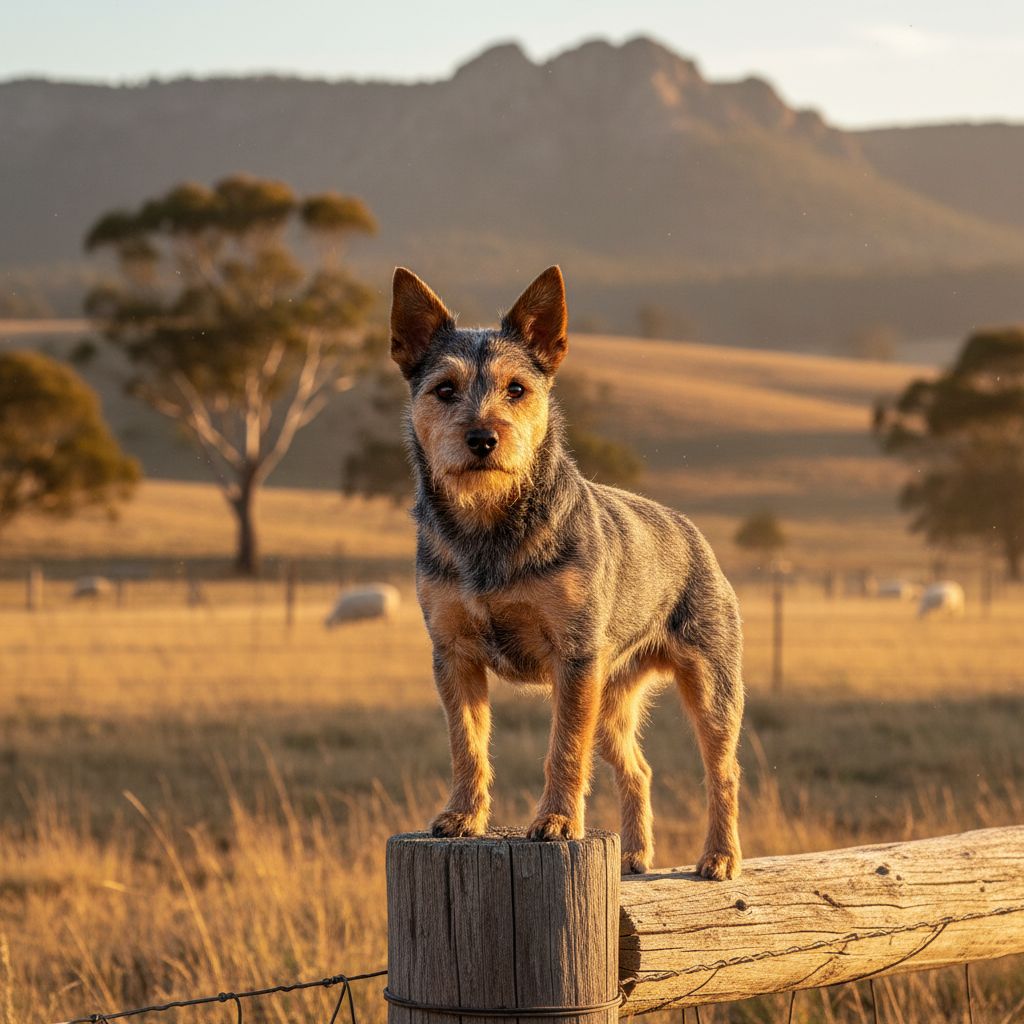
Australian Terrier
Also known as: Aussie, Australian Rough
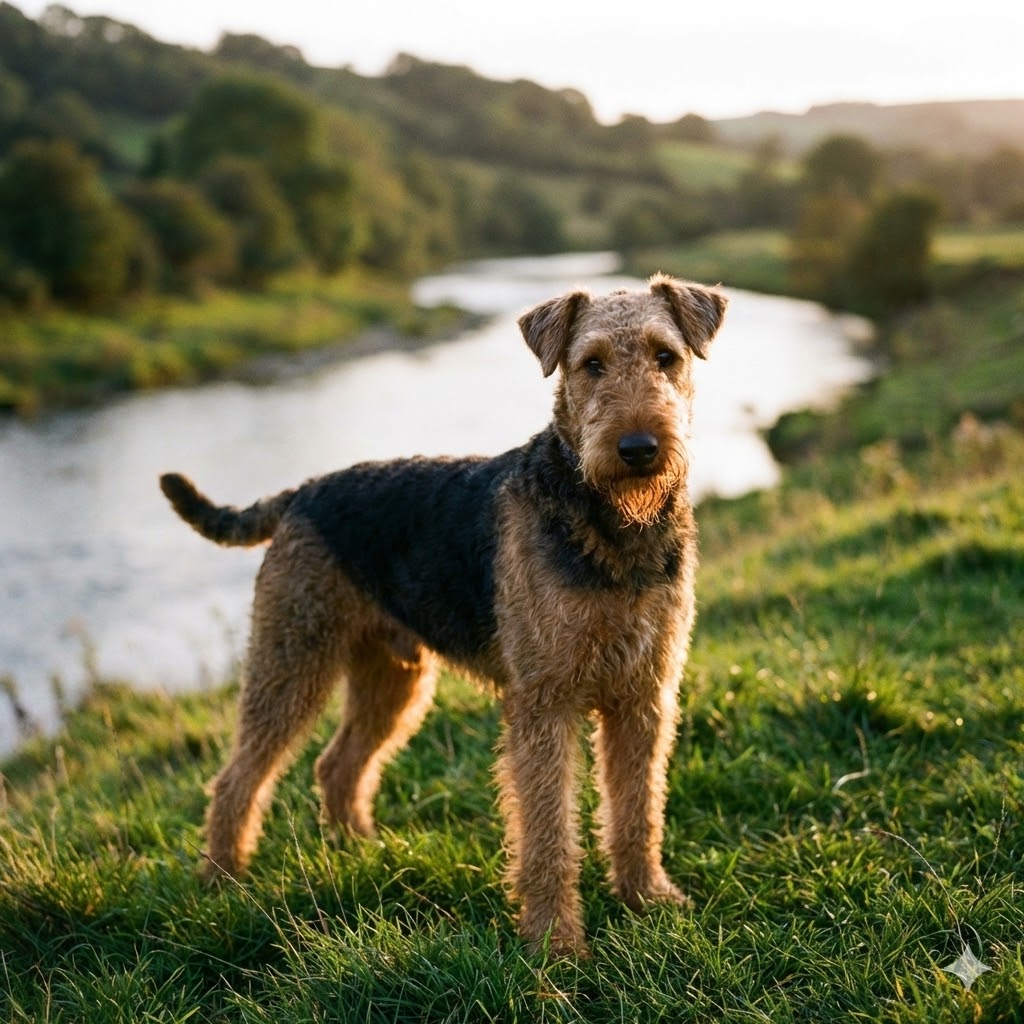
The Australian Terrier is a small, robust breed known for its spirited personality, intelligence, and loyalty. Originally bred to hunt vermin and guard homes, this terrier is both a devoted companion and an alert watchdog, characterized by its distinctive rough, weather-resistant coat and keen expression.
Small
Medium
11-15 yrs
25-28 cm
6.8-9.1 kg
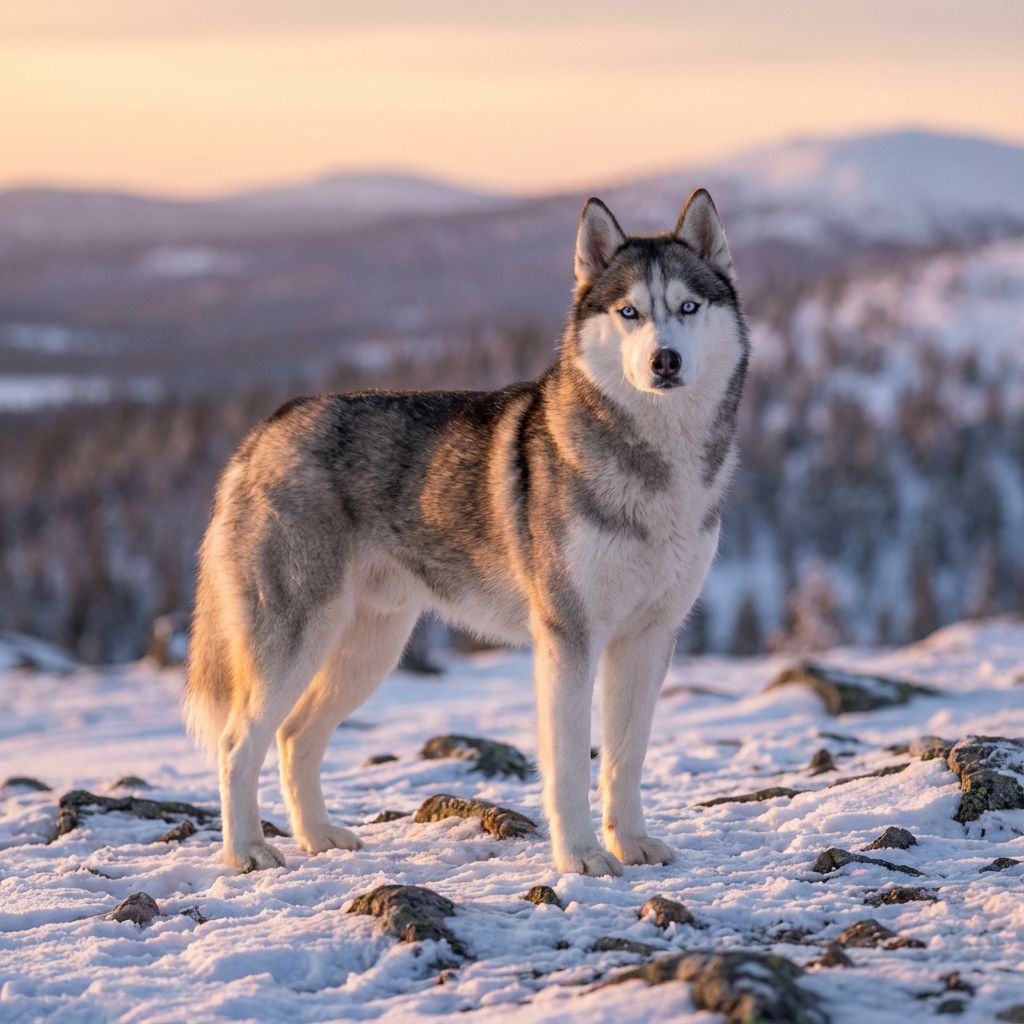
Siberian Husky
Also known as: Husky, Sibe, Chukcha
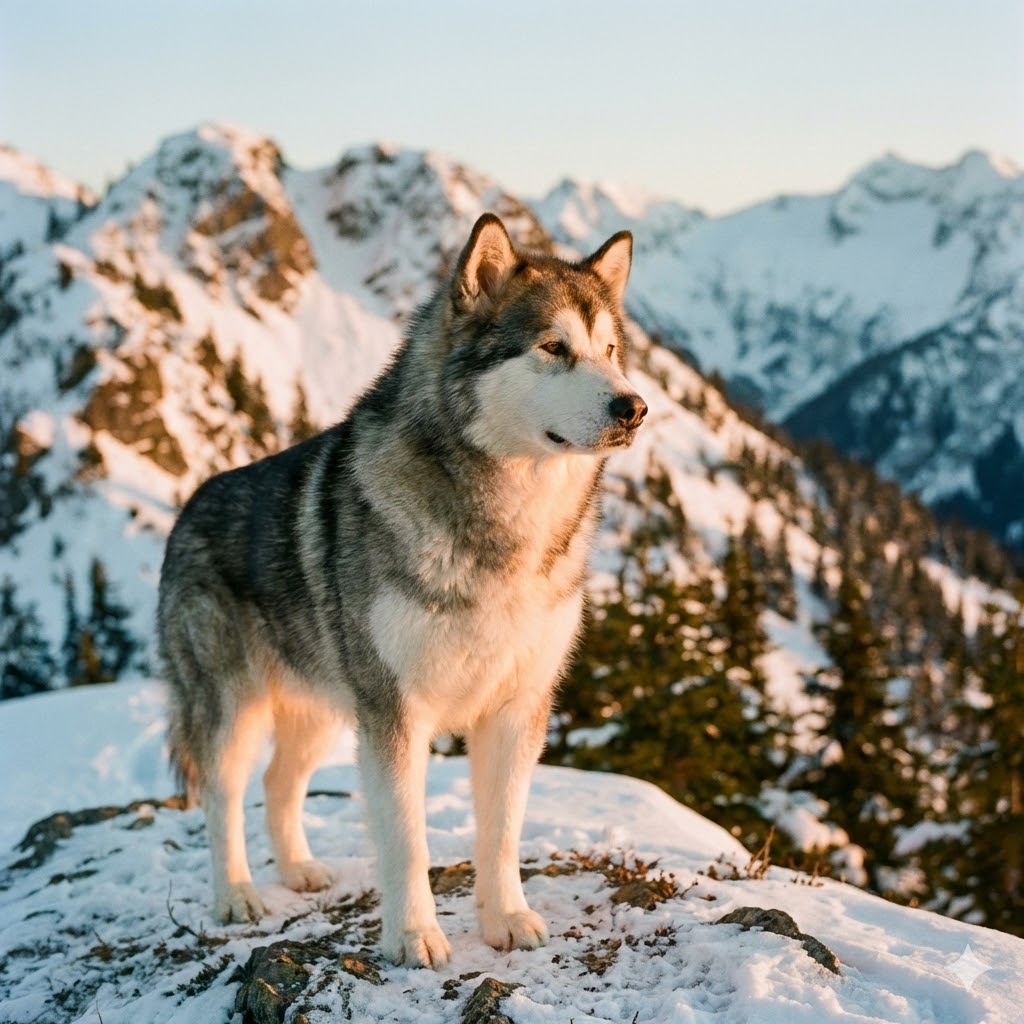
The Siberian Husky is a stunning working dog bred by the Chukchi people of Siberia for endurance sled-pulling. While their wolf-like appearance and piercing blue eyes attract many owners, there is a catastrophic gap between public perception and daily reality. This is an escape artist with extreme prey drive, requiring 90+ minutes of exercise daily and secure containment - they are NOT beginner dogs.
Medium
High
12-14 yrs
51-60 cm
Quick Comparison
| Trait | Australian Terrier | Siberian Husky |
|---|---|---|
| Energy | ||
| Trainability | ||
| Grooming Needs | ||
| Family Friendly | ||
| Independence |
Key Characteristics
| Good with Kids | ||
| Good with Dogs | ||
| Good with Cats | ||
| Hypoallergenic | ||
| Apartment Friendly | ||
| First-Time Owner OK |
| Detail | Australian Terrier | Siberian Husky |
|---|---|---|
| Size | Small | Medium |
| Energy Level | Medium | High |
| Grooming | Medium | High |
| Trainability | Moderate | challenging |
| Barking Level | High | Low |
| Shedding Level | Low | High |
| Chew strength | Moderate | Hard |
| Housing | Yard | Acreage |
Owner Fit & Decision Guide
Owner Match
| Trait | Australian Terrier | Siberian Husky |
|---|---|---|
| Experience Level | Beginner (with conditions) | Advanced |
| First-Time Owner | ||
| Ideal Owner | Confident beginner or experienced owner willing to train consistently. Works from home or has flexible schedule. Single-dog household preferred, or with opposite-sex passive dog. No small prey animals. Comfortable with managing barking through training. | Active individual or couple who runs/bikes daily, has secure fenced property with dig barriers, understands primitive dog psychology, accepts that recall will never be reliable. |
Australian Terrier Dealbreakers
- Want a silent dog
- Have pocket pets (hamsters, rats) that roam
- Want a dog that can be off-leash in unfenced areas
- Unwilling to manage potential dog-aggression
- Passive or permissive owner (if you treat them like a baby, they will become a tyrant)
Siberian Husky Dealbreakers
- Sedentary lifestyle (prefer Netflix to hiking)
- Apartment living without extreme dedication
- Need for instant obedience
- Cannot invest in secure containment
- Work long hours away from home
Surrender Risk
| Factor | Australian Terrier | Siberian Husky |
|---|---|---|
| Risk Level | Low | High |
| Primary Reasons | Barking complaints from neighbors, Incompatibility with other pets (chasing cats, fighting dogs), Owners buy thinking they are low-maintenance small dogs and are overwhelmed by their big-dog energy and tenacity | 'Game of Thrones' Syndrome - bought as 'direwolf' puppy, surrendered as 1-year-old destroyer, Escape/roaming - owners tire of retrieving dog from pound or neighbors, Destruction from unmet exercise needs |
Temperament & Personality
Behavior Comparison
| Trait | Australian Terrier | Siberian Husky |
|---|---|---|
| Prey Drive | ||
| Watchdog Ability | ||
| Stranger Friendly | ||
| Drool Level | ||
| Wanderlust |
Vocalization
| Trait | Australian Terrier | Siberian Husky |
|---|---|---|
| Barking Level | High | Low |
| Howling Tendency | ||
| Whining Tendency | Low | High |
| Separation Vocalization |
Safety & Reliability
| Trait | Australian Terrier | Siberian Husky |
|---|---|---|
| Escape Artist | ||
| Dog Park Suitable | ||
| Off-Leash Reliable | ||
| Small Animal Safe | ||
| Leash Reactivity | ||
| Resource Guarding Risk | Low | Moderate |
Australian Terrier Social Traits
Medium
Often bossy and may spark fights with much larger dogs, refusing to back down. Same-sex aggression is a known trait.
Siberian Husky Social Traits
None
Generally good but rough play style can offend sensitive breeds
Training
Australian Terrier
- Harsh methods trigger their 'terrier grit,' causing them to shut down or fight back
- Use high-value rewards (food/toys)
- Keep training sessions short and varied
- Practice 'Nothing in Life is Free' to maintain household boundaries
Siberian Husky
- Use VERY high-value rewards (liver, cheese) - they don't work for kibble
- No force methods - causes shutdown or defensiveness
- Accept that reliable recall is a lifelong management need, not achievable
- Keep sessions short - they bore easily
Australian Terrier Considerations
Bred to alert settlers to snakes and intruders, they score 5/5 on watchdog ability. In modern settings, this means barking at delivery trucks, hallway footsteps, and leaves blowing across the patio. Often a dealbreaker for renters with noise restrictions.
Documented risk of aggression toward dogs of the same sex, particularly between two females. This often emerges at sexual maturity (18-24 months) and can escalate from posturing to serious fighting. They generally do best as the only dog or with a companion of the opposite sex.
Their prey drive is not a game; it is a job. They were engineered to kill rats and snakes. They cannot be trusted with hamsters, rabbits, or guinea pigs, and they may harass cats that run. This is a Full Predatory Sequence breed—they do not just chase; they grab and shake.
Siberian Husky Considerations
This is NOT marketing exaggeration. Huskies are biologically engineered to roam hundreds of miles. They dig under fences, jump 6-foot walls, and manipulate latches. Standard suburban fencing is often insufficient.
The Husky retains a nearly FULL predatory sequence. They are notoriously unsafe with cats, rabbits, birds, and small dogs. This drive is instinctual - it cannot be 'loved' or 'trained' out of them reliably.
Huskies are obligate pack animals. Isolation causes howling audible for blocks and severe destruction (chewing through drywall, doors, sofas). Unsuitable if left alone 8+ hours without a canine companion.
Unlike a Golden Retriever working for praise, a Husky works for PURPOSE. If they don't see value in a command, they ignore it. This isn't stupidity - it's high adaptive intelligence. They are not biddable dogs.
Multi-Species Compatibility
| Species | Australian Terrier | Siberian Husky |
|---|---|---|
| With Cats | Caution - safe only if raised together and the cat does not run | HIGH RISK - predatory drift can occur even with 'friends', never fully trustworthy |
| Small Mammals | Unsafe - high risk for hamsters, rabbits, guinea pigs, rodents | UNSAFE - view as food |
| Birds / Reptiles | Unsafe - high risk | UNSAFE - high predation risk |
Advanced Behavior
| Trait | Australian Terrier | Siberian Husky |
|---|---|---|
| Predatory Sequence Risk | Full | Full |
| Biddability | Medium | Low |
| Noise Sensitivity | Low | Low |
| Territorial Barking | ||
| Same-Sex Aggression Onset | 18 months | 18 months |
Australian Terrier: Full Predatory Sequence: Orient → Eye → Stalk → Chase → Grab-Bite → Kill-Bite. Bred to kill snakes and rats. You cannot 'train out' the desire to shake a rat; you can only manage it. Not 'will to please' dogs - they are 'what's in it for me?' dogs.
Siberian Husky: Predatory sequence is FULL (Orient->Eye->Stalk->Chase->Grab->Kill). Unlike herding dogs (arrested at chase) or retrievers (arrested at grab), Huskies often complete to kill/dissect. This is hardwired genetics, not 'aggression'.
First Year & Life Stages
First Year Challenges
| Challenge | Australian Terrier | Siberian Husky |
|---|---|---|
| Puppy Difficulty | ||
| Destructive Phase | 6-18 | 6-18 |
| House Training | Medium | Medium |
| Crate Training | Medium | Low |
| Adolescent Regression |
Australian Terrier: While small and portable, they are intense. House training is moderately difficult (terriers can be stubborn), and their sharp puppy teeth are used freely during play. Critical socialization window is 8-16 weeks - must socialize to handling and strangers to prevent natural wariness from turning into defensiveness.
Siberian Husky: Unlike a Golden (difficulty 6) that wants to please, a Husky puppy combines high energy, extreme mouthiness, screaming during crate training, and total lack of focus. They are essentially wild animals in a cute suit for the first 12 months.
Life Stages Timeline
| Stage | Australian Terrier | Siberian Husky |
|---|---|---|
| Puppy Phase | 12 months | 12 months |
| Adolescence | 6-18 | 12-36 |
| Adult Years | 2-9 | 3-8 |
| Senior Onset | ~10 years | ~8 years |
| Peak Energy Age | 1-3 years | 1-3 years |
Size & Physical Characteristics
Physical Stats
| Measurement | Australian Terrier | Siberian Husky |
|---|---|---|
| Height | 25-28 cm | 51-60 cm |
| Weight | Not enough data yet | Not enough data yet |
| Size Category | Small | Medium |
| Lifespan | 11–15 years | 12–14 years |
| Litter Size | 4-6 | 4-6 |
Australian Terrier Coat
Siberian Husky Coat
Lineage & Origin
| Detail | Australian Terrier | Siberian Husky |
|---|---|---|
| Original Purpose | Kill rats and snakes in gold mines and sheep stations, tend sheep, and alert owners to intruders | Endurance sled-pulling over vast distances (bred by Chukchi people of Siberia) |
| Origin | Australia, 19th century | Northeastern Siberia, thousands of years old |
Breeding Details
| Detail | Australian Terrier | Siberian Husky |
|---|---|---|
| C-Section Rate | Low | ~5% |
| Whelping Difficulty | Easy | Easy |
| Puppy Mortality Rate | Low | Low |
Physical Risks
| Risk | Australian Terrier | Siberian Husky |
|---|---|---|
| Bloat / GDV Risk | Low | Low |
| Slippery Floor Risk | Low | Low |
| Min Fence Height | 1.2m | 1.8m |
| Dig / Escape Risk | High | High |
Health & Common Conditions
Australian Terrier Health Issues
Siberian Husky Health Issues
Australian Terrier Suggested Tests
- Annual blood glucose and urinalysis (starting at age 5)
- OFA Patella Evaluation
- CERF Eye Examination
- Family history of Diabetes inquiry
Siberian Husky Suggested Tests
- Ophthalmologist Evaluation (annual - CRITICAL)
- Hip Evaluation (OFA)
- DNA test for PRA
Health Risk Overview
| Risk Factor | Australian Terrier | Siberian Husky |
|---|---|---|
| Cancer Risk | Low | Low |
| Cardiac Risk | Low | Low |
| Neurological Risk | Low | Low |
| CCL/ACL Tear Risk | Low | Low |
| Vet Burden Tier | Medium | Low |
Sensitivities & Allergies
| Sensitivity | Australian Terrier | Siberian Husky |
|---|---|---|
| Skin Allergies | ||
| Environmental Allergies | ||
| Stomach Sensitivity | Low | Low |
| Food Allergies | General environmental allergens | Zinc deficiency (breed-specific) |
Health Maintenance
| Care Item | Australian Terrier | Siberian Husky |
|---|---|---|
| Nail Growth Rate | Fast | Normal |
| Eye Care Needs | Low | High |
| Anal Gland Issues | Rare | Rare |
Senior Care & Aging
Australian Terrier Senior Care
Common Senior Issues
- Diabetes Mellitus (watch for excessive thirst/urination)
- Cataracts
- Joint stiffness
Mobility usually remains good until very late life. Primary concern in seniors is monitoring for diabetes symptoms (excessive thirst, frequent urination, weight loss despite normal eating).
Siberian Husky Senior Care
Common Senior Issues
- Cataracts/vision loss
- Arthritis/stiffness
- Hypothyroidism
Activity slows around 8+ but they remain spry. Watch for clouding eyes (cataracts) and stiffness.
Grooming & Care
Australian Terrier
medium maintenanceSiberian Husky
high maintenanceLifestyle Compatibility
Australian Terrier Daily Life
Siberian Husky Daily Life
Housing & Legal Restrictions
| Restriction | Australian Terrier | Siberian Husky |
|---|---|---|
| BSL Restricted | ||
| Common Rental Ban | ||
| Insurance Blacklist | ||
| Weight Category | Under 25lbs | 25-50lbs |
Climate Tolerance
| Climate | Australian Terrier | Siberian Husky |
|---|---|---|
| Heat Tolerance | ||
| Cold Tolerance | ||
| Water Affinity | Low | Low |
Travel Compatibility
| Activity | Australian Terrier | Siberian Husky |
|---|---|---|
| Car Travel | Good | Good |
| Camping | ||
| Beach Friendly | ||
| Hiking Rating | ||
| Cabin Flight Eligible | ||
| Hotel Friendly Size |
Niche Suitability
| Role | Australian Terrier | Siberian Husky |
|---|---|---|
| Service Dog | Low | Low |
| Therapy Dog | Medium | Medium |
| Deep Pressure Therapy | ||
| Canicross / Bikejoring | ||
| Apartment Adaptable | ||
| Tactile / Sensory Friendly | ||
| Livestock Guardian | ||
| Medical Alert | Low | Low |
Costs & Expenses
Upfront Costs
| Cost | Australian Terrier | Siberian Husky |
|---|---|---|
| Purchase Price | $1,200-2,500 | $800-2,500 |
| Initial Cost Range | $1,200–$2,500 | $800–$2,500 |
| Cost Tier |
Ongoing Costs
| Cost | Australian Terrier | Siberian Husky |
|---|---|---|
| Monthly Range | $120–$200 | $100–$180 |
| Yearly Range | $1,440–$2,400 | $1,500–$2,500 |
| Food / Month | $30-50 | $60-100 |
| Insurance / Month | $40-70 | $32-95 |
| Grooming / Session | $50-80 | $50-80 |
| Vet Routine / Year | $300-600 | $400-800 |
| Monthly Cost Tier |
Australian Terrier Lifetime Cost
$15,000-30,000
Siberian Husky Lifetime Cost
$18,000-35,000
Quirks & Fun Facts
Daily Quirks
| Quirk | Australian Terrier | Siberian Husky |
|---|---|---|
| Snoring | ||
| Flatulence | Rare | Rare |
| Slobber Level | None | None |
| Smell When Wet | Mild | Mild |
| Zoomies Frequency | Weekly | Daily |
| Counter Surfing | ||
| Digging Tendency | High | High |
Australian Terrier Quirks
The Ruff
Distinctive ruff of hair around the neck (like a lion's mane) which was historically protective against snake bites
The Topknot
The soft, silky hair on their head contrasts with the wire body coat and needs gentle combing
Digging for Fun
They don't just dig to escape; they dig for fun. Provide a designated sandpit and bury toys in it to save your flowerbeds.
Bossiness
They will attempt to run the household. 'Nothing in life is free' training is recommended to maintain boundaries.
Siberian Husky Quirks
The Husky Swirl
Sleep in a tight ball with tail over nose to conserve heat - an ancient survival adaptation.
Cat-Like Self-Grooming
Fastidious and clean themselves like cats. Very little 'doggy odor' despite the thick coat.
Drama Queen Screaming
When frustrated or restrained (e.g., at the vet), they emit a blood-curdling scream that sounds like human torture.
The 'Woo-Woo' Talk
They communicate through distinctive vocalizations - they 'talk' rather than bark.
Frequently Asked Questions
Turn your dog into a brand deal.
Pet brands are looking for authentic creators — not celebrities. If you own a Australian Terrier or Siberian Husky, you can get free products, gear, and exclusive perks just for sharing your dog's life on Instagram.
No followers minimum · Free to join
Compare with Other Breeds
Compare Australian Terrier with:
Based on comprehensive breed research data.