Border Terrier vs Weimaraner
A side-by-side comparison to help you find the right breed for your lifestyle.

Border Terrier
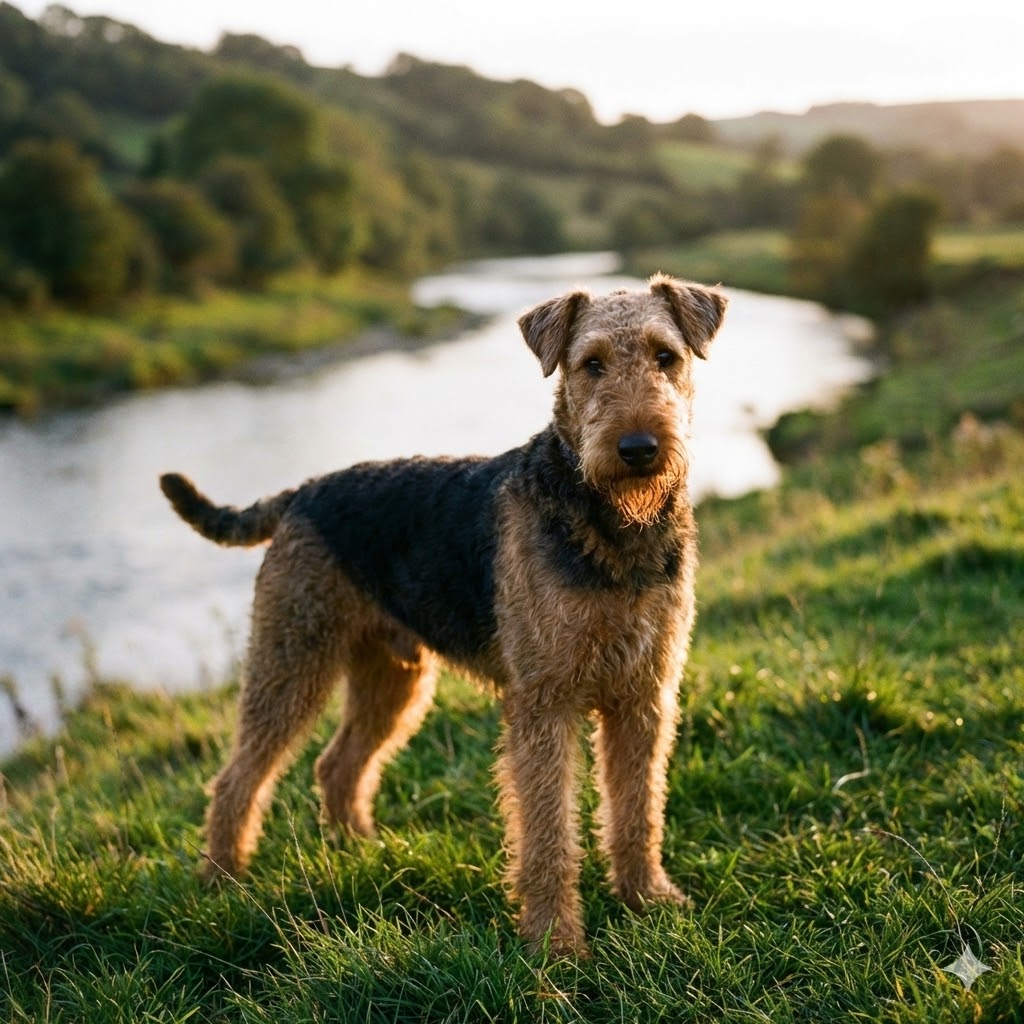
The Border Terrier is a small, energetic dog breed known for its distinctive otter-like head and wiry coat. Originally bred for fox hunting along the border of England and Scotland, this affectionate and intelligent breed makes a lively and loyal family companion.
Small
High
12-15 yrs
28-36 cm
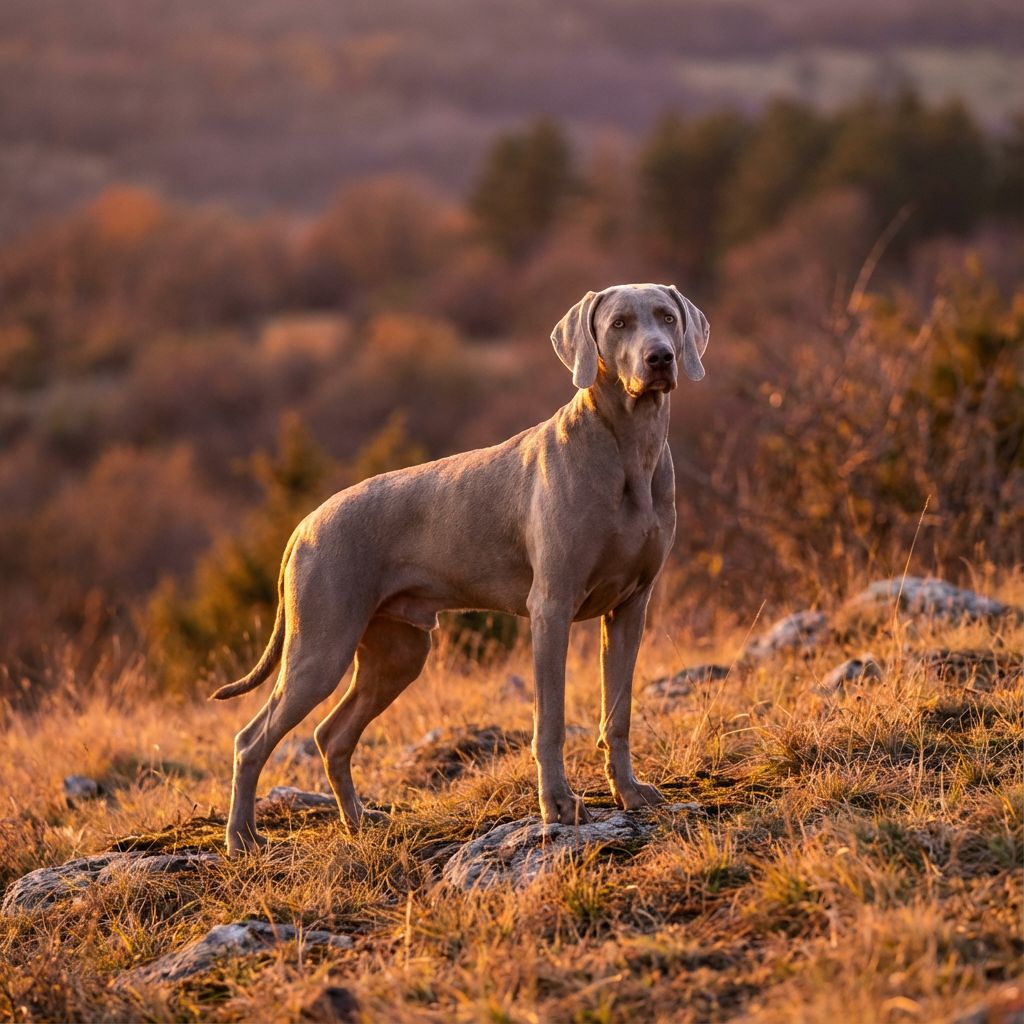
Weimaraner
The Weimaraner is a sleek and athletic dog breed known for its striking silver-gray coat and keen hunting abilities. Originating in Germany, these intelligent and energetic dogs make loyal companions but require ample exercise and mental stimulation to thrive.
Large
High
10-13 yrs
Not specified cm
Quick Comparison
| Trait | Border Terrier | Weimaraner |
|---|---|---|
| Energy | ||
| Trainability | ||
| Grooming Needs | ||
| Family Friendly | ||
| Independence |
Key Characteristics
| Good with Kids | ||
| Good with Dogs | ||
| Good with Cats | ||
| Hypoallergenic | ||
| Apartment Friendly | ||
| First-Time Owner OK |
| Detail | Border Terrier | Weimaraner |
|---|---|---|
| Size | Small | Large |
| Energy Level | High | High |
| Grooming | High | Low |
| Trainability | Moderate | Moderate |
| Barking Level | Medium | High |
| Shedding Level | Low | Medium |
| Chew strength | Light | Moderate |
| Housing | Yard | Yard |
Owner Fit & Decision Guide
Owner Match
| Trait | Border Terrier | Weimaraner |
|---|---|---|
| Experience Level | Beginner | Beginner |
| First-Time Owner | ||
| Ideal Owner | Active individual or family who can provide adequate exercise and training for a Border Terrier. | Active individual or family who can provide adequate exercise and training for a Weimaraner. |
Border Terrier Dealbreakers
- Cannot meet 60-90 min daily exercise
- Cannot commit to grooming needs
Weimaraner Dealbreakers
- Cannot meet 90-150 min daily exercise
- Cannot commit to grooming needs
Surrender Risk
| Factor | Border Terrier | Weimaraner |
|---|---|---|
| Risk Level | Medium | Medium |
| Primary Reasons | Underestimated exercise needs, Behavioral challenges, Cost of care | Underestimated exercise needs, Behavioral challenges, Cost of care |
Temperament & Personality
Behavior Comparison
| Trait | Border Terrier | Weimaraner |
|---|---|---|
| Prey Drive | ||
| Watchdog Ability | ||
| Stranger Friendly | ||
| Drool Level | ||
| Wanderlust |
Vocalization
| Trait | Border Terrier | Weimaraner |
|---|---|---|
| Barking Level | Medium | High |
| Howling Tendency | ||
| Whining Tendency | Low | Low |
| Separation Vocalization |
Safety & Reliability
| Trait | Border Terrier | Weimaraner |
|---|---|---|
| Escape Artist | ||
| Dog Park Suitable | ||
| Off-Leash Reliable | ||
| Small Animal Safe | ||
| Leash Reactivity | ||
| Resource Guarding Risk | Low | Low |
Border Terrier Social Traits
Low
Generally friendly
Weimaraner Social Traits
Low
Generally friendly
Training
Border Terrier
- **: Positive reinforcement with high-value food rewards is essential. Harsh methods cause them to shut down or become defensive.
Weimaraner
- s:** They are sensitive dogs. Harsh punishment often backfires, causing them to shut down or become defensive. Positive reinforcement with clear boundaries works best [cite: 7, 34].
Weimaraner Considerations
This is the single most common reason for Weimaraner surrender. They are nicknamed "Velcro dogs" for a reason—they do not just want to be in the same room as you; they want to be touching you. Left alone, they can become destructive on an industrial scale, chewing through drywall, doors, and crates in a panic. They are generally unsuitable for households where everyone works away from home for 8 hours a day.
Bred to hunt boar, bear, and deer, and later birds, the Weimaraner possesses a sharp, non-negotiable prey drive. They are a significant risk to cats, rabbits, and small dogs. This drive is hardwired and often cannot be trained out, only managed.
Many Weimaraners exhibit a breed-specific behavior called "nooking," where they suckle on soft items like blankets or stuffed toys, often while kneading. While usually harmless self-soothing, it can lead to ingestion of foreign objects (pica), necessitating expensive surgery.
Unlike some breeds that settle down after a walk, a young Weimaraner may pace, whine, or demand attention if their mental and physical batteries aren't fully drained. They often lack a natural metabolic "off switch" indoors until they mature, which can take 2-4 years.
Multi-Species Compatibility
| Species | Border Terrier | Weimaraner |
|---|---|---|
| With Cats | Caution - may chase | Caution - may chase |
| Small Mammals | Supervision required | Supervision required |
| Birds / Reptiles | Caution advised | Caution advised |
Advanced Behavior
| Trait | Border Terrier | Weimaraner |
|---|---|---|
| Predatory Sequence Risk | Medium | Medium |
| Biddability | Low | Low |
| Noise Sensitivity | Low | Low |
| Territorial Barking | ||
| Same-Sex Aggression Onset | 18 months | 18 months |
First Year & Life Stages
First Year Challenges
| Challenge | Border Terrier | Weimaraner |
|---|---|---|
| Puppy Difficulty | ||
| Destructive Phase | 5-14 | 6-18 |
| House Training | Moderate | Moderate |
| Crate Training | Medium | Medium |
| Adolescent Regression |
Border Terrier: Border Terrier puppies require consistent training and patience.
Weimaraner: Weimaraner puppies require consistent training and patience.
Life Stages Timeline
| Stage | Border Terrier | Weimaraner |
|---|---|---|
| Puppy Phase | 12 months | 12 months |
| Adolescence | 6-18 | 6-18 |
| Adult Years | 2-8 | 2-8 |
| Senior Onset | ~8 years | ~8 years |
| Peak Energy Age | 1-3 years | 1-3 years |
Size & Physical Characteristics
Physical Stats
| Measurement | Border Terrier | Weimaraner |
|---|---|---|
| Height | 28-36 cm | Not specified cm |
| Weight | Not enough data yet | Not enough data yet |
| Size Category | Small | Large |
| Lifespan | 12–15 years | 10–13 years |
| Litter Size | 4-8 | 4-8 |
Border Terrier Coat
Weimaraner Coat
Lineage & Origin
| Detail | Border Terrier | Weimaraner |
|---|---|---|
| Original Purpose | Bred in the Cheviot Hills (border of England and Scotland) to hunt foxes and vermin | big-game hunters for bear, boar, and deer |
| Origin | N/A | from the introduction of Weimaraner genes (the dilute 'd' gene) into Labrador li |
Breeding Details
| Detail | Border Terrier | Weimaraner |
|---|---|---|
| C-Section Rate | Varies | Varies |
| Whelping Difficulty | Medium | Medium |
| Puppy Mortality Rate | Low | Low |
Physical Risks
| Risk | Border Terrier | Weimaraner |
|---|---|---|
| Bloat / GDV Risk | Low | Low |
| Slippery Floor Risk | Low | Low |
| Min Fence Height | 1.5m | 1.5m |
| Dig / Escape Risk | Low | Low |
Health & Common Conditions
Border Terrier Health Issues
Weimaraner Health Issues
Border Terrier Suggested Tests
- SLEM DNA Test
- Hip Dysplasia (OFA)
- Eye Exam (CERF)
Weimaraner Suggested Tests
- Hip Dysplasia (OFA/PennHIP)
- Elbow Dysplasia
- Eye Certification (CAER)
- DNA test for SD
- DNA test for HYM
- DNA test for HUU (Hyperuricosuria)
Health Risk Overview
| Risk Factor | Border Terrier | Weimaraner |
|---|---|---|
| Cancer Risk | Medium | Medium |
| Cardiac Risk | Low | Low |
| Neurological Risk | Low | Low |
| CCL/ACL Tear Risk | Low | Low |
| Vet Burden Tier | Medium | Medium |
Sensitivities & Allergies
| Sensitivity | Border Terrier | Weimaraner |
|---|---|---|
| Skin Allergies | ||
| Environmental Allergies | ||
| Stomach Sensitivity | Low | Low |
| Food Allergies |
Health Maintenance
| Care Item | Border Terrier | Weimaraner |
|---|---|---|
| Nail Growth Rate | Normal | Normal |
| Eye Care Needs | Low | Low |
| Anal Gland Issues | Occasional | Occasional |
Senior Care & Aging
Border Terrier Senior Care
Common Senior Issues
- Arthritis
- Vision decline
- Cognitive changes
Senior care varies by individual health.
Weimaraner Senior Care
Common Senior Issues
- Arthritis
- Vision decline
- Cognitive changes
Senior care varies by individual health.
Grooming & Care
Border Terrier
high maintenanceWeimaraner
low maintenanceLifestyle Compatibility
Border Terrier Daily Life
Weimaraner Daily Life
Housing & Legal Restrictions
| Restriction | Border Terrier | Weimaraner |
|---|---|---|
| BSL Restricted | ||
| Common Rental Ban | ||
| Insurance Blacklist | ||
| Weight Category | Under 50lbs | Under 50lbs |
Climate Tolerance
| Climate | Border Terrier | Weimaraner |
|---|---|---|
| Heat Tolerance | ||
| Cold Tolerance | ||
| Water Affinity | Medium | Medium |
Travel Compatibility
| Activity | Border Terrier | Weimaraner |
|---|---|---|
| Car Travel | Good | Good |
| Camping | ||
| Beach Friendly | ||
| Hiking Rating | ||
| Cabin Flight Eligible | ||
| Hotel Friendly Size |
Niche Suitability
| Role | Border Terrier | Weimaraner |
|---|---|---|
| Service Dog | Low | Low |
| Therapy Dog | Low | Low |
| Deep Pressure Therapy | ||
| Canicross / Bikejoring | ||
| Apartment Adaptable | ||
| Tactile / Sensory Friendly | ||
| Livestock Guardian | ||
| Medical Alert | Low | Low |
Costs & Expenses
Upfront Costs
| Cost | Border Terrier | Weimaraner |
|---|---|---|
| Purchase Price | N/A | N/A |
| Initial Cost Range | $1,000–$2,500 | $1,000–$2,500 |
| Cost Tier |
Ongoing Costs
| Cost | Border Terrier | Weimaraner |
|---|---|---|
| Monthly Range | $70–$120 | $140–$220 |
| Yearly Range | $840–$1,440 | $1,680–$2,640 |
| Food / Month | $30-50 | $80-120 |
| Insurance / Month | $40-70 | $60-100 |
| Grooming / Session | $30-50 | N/A |
| Vet Routine / Year | $200-400 | $300-600 |
| Monthly Cost Tier |
Border Terrier Lifetime Cost
N/A
Weimaraner Lifetime Cost
N/A
Quirks & Fun Facts
Daily Quirks
| Quirk | Border Terrier | Weimaraner |
|---|---|---|
| Snoring | ||
| Flatulence | Occasional | Occasional |
| Slobber Level | Low | Low |
| Smell When Wet | Moderate | Moderate |
| Zoomies Frequency | Occasional | Occasional |
| Counter Surfing | ||
| Digging Tendency | Low | Low |
Frequently Asked Questions
Turn your dog into a brand deal.
Pet brands are looking for authentic creators — not celebrities. If you own a Border Terrier or Weimaraner, you can get free products, gear, and exclusive perks just for sharing your dog's life on Instagram.
No followers minimum · Free to join
Compare with Other Breeds
Compare Border Terrier with:




Based on comprehensive breed research data.