Cane Corso vs Nova Scotia Duck Tolling Retriever
A side-by-side comparison to help you find the right breed for your lifestyle.

Cane Corso
Also known as: Italian Mastiff, Cane Corso Italiano
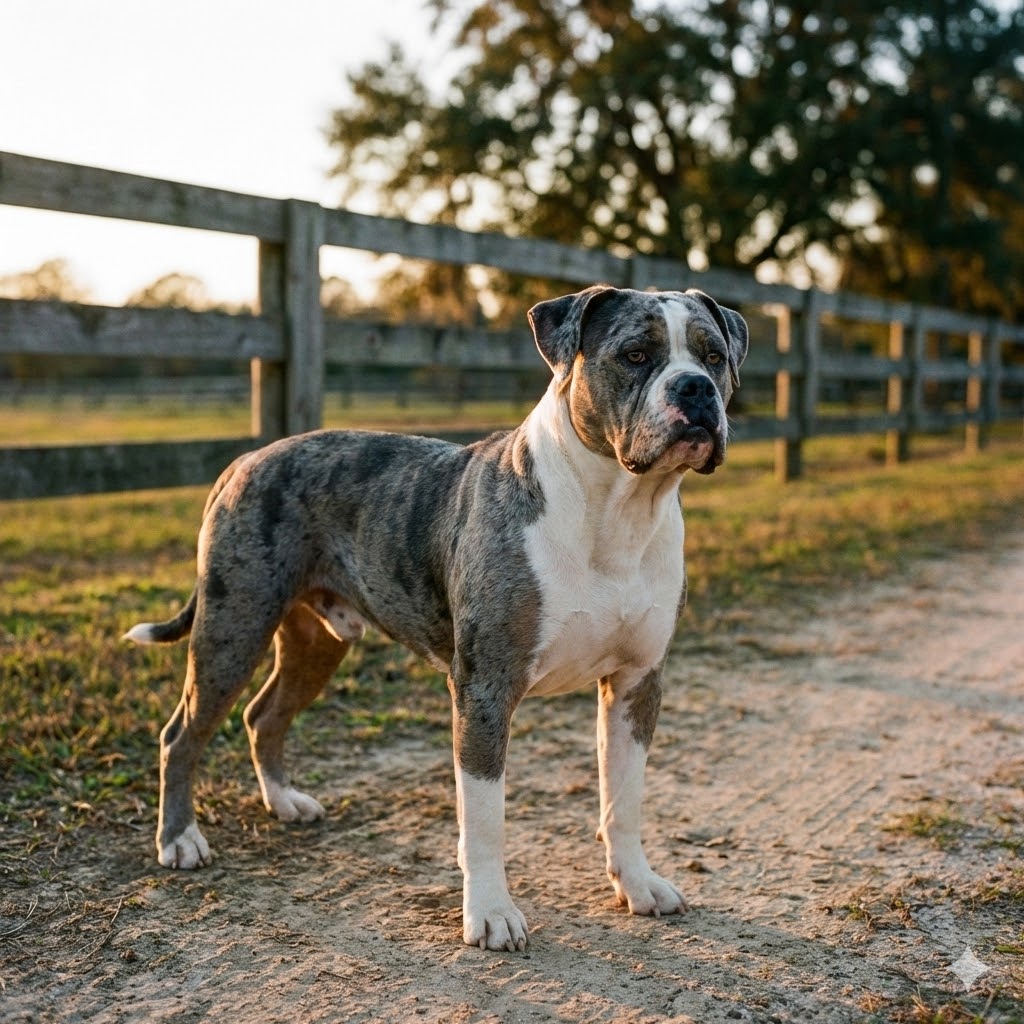
The Cane Corso is a powerful Italian guardian breed with a genetic imperative to protect territory and family. Descended from Roman war dogs, this breed requires experienced handling, extensive socialization, and an owner who can provide clear, fair, consistent leadership. This is NOT a breed for first-time owners or casual dog enthusiasts.
Extra Large
High
9-12 yrs
60-70 cm
40-50+ kg

Nova Scotia Duck Tolling Retriever
Also known as: Little River Duck Dog, Toller
The Nova Scotia Duck Tolling Retriever, often referred to as a "Toller," is a medium-sized, intelligent, and energetic breed known for its distinctive reddish coat and unique ability to lure and retrieve waterfowl. Originating from Nova Scotia, Canada, these dogs are highly valued for their playful demeanor, versatility, and strong work ethic in both hunting and family settings.
Medium
High
10.0 - 14.0 yrs
45.0 - 51.0 cm
Quick Comparison
| Trait | Cane Corso | Nova Scotia Duck Tolling Retriever |
|---|---|---|
| Energy | ||
| Trainability | ||
| Grooming Needs | ||
| Family Friendly | ||
| Independence |
Key Characteristics
| Good with Kids | ||
| Good with Dogs | ||
| Good with Cats | ||
| Hypoallergenic | ||
| Apartment Friendly | ||
| First-Time Owner OK |
| Detail | Cane Corso | Nova Scotia Duck Tolling Retriever |
|---|---|---|
| Size | Extra Large | Medium |
| Energy Level | High | High |
| Grooming | Medium | Medium |
| Trainability | Moderate | Easy |
| Barking Level | High | High |
| Shedding Level | Medium | High |
| Chew strength | Hard | Moderate |
| Housing | Yard | Yard |
Owner Fit & Decision Guide
Owner Match
| Trait | Cane Corso | Nova Scotia Duck Tolling Retriever |
|---|---|---|
| Experience Level | Advanced | Intermediate |
| First-Time Owner | ||
| Ideal Owner | Experienced dog handler who has owned guardian breeds before. Has time for extensive socialization and training. Physically capable of handling a powerful dog. Has secure property with 6ft solid fence. Prepared for insurance challenges and high costs. | Active outdoor enthusiasts, hunters, and competitive dog sports handlers who appreciate an intensely engaged, highly intelligent, handler-focused canine teammate. |
Cane Corso Dealbreakers
- First-time dog owner - margin for error is non-existent
- Apartment living - size and guarding barking
- Small kids - risk of accidental injury due to size
- Busy households with frequent guests - stressful for guardian breed
- Cannot physically control 50kg+ dog
Nova Scotia Duck Tolling Retriever Dealbreakers
- Expectation of an easygoing, hyper-social miniature Golden Retriever
- Sedentary lifestyle or apartment living with noise-sensitive neighbors
- Reliance on punitive or coercive dominance training methods
Surrender Risk
| Factor | Cane Corso | Nova Scotia Duck Tolling Retriever |
|---|---|---|
| Risk Level | High | High |
| Primary Reasons | He got too big/strong - owners underestimate 100lb guardian breed, He growled at kids/guests - failed socialization manifesting, Surrendered most frequently between 1-2 years of age | Piercing vocalization (Toller scream) causing neighbor complaints and owner distress, Hyperactivity and behavioral destruction from severely unmet physical and mental drive, Mismatch of expectations (expecting a low-key, hyper-social miniature Golden Retriever) |
Temperament & Personality
Behavior Comparison
| Trait | Cane Corso | Nova Scotia Duck Tolling Retriever |
|---|---|---|
| Prey Drive | ||
| Watchdog Ability | ||
| Stranger Friendly | ||
| Drool Level | ||
| Wanderlust |
Vocalization
| Trait | Cane Corso | Nova Scotia Duck Tolling Retriever |
|---|---|---|
| Barking Level | High | High |
| Howling Tendency | ||
| Whining Tendency | Low | Intense impatient whining during hunting blind staging or waiting in agility rings |
| Separation Vocalization |
Safety & Reliability
| Trait | Cane Corso | Nova Scotia Duck Tolling Retriever |
|---|---|---|
| Escape Artist | ||
| Dog Park Suitable | ||
| Off-Leash Reliable | ||
| Small Animal Safe | ||
| Leash Reactivity | ||
| Resource Guarding Risk | High | Moderate |
Cane Corso Social Traits
High
High risk of same-sex aggression - opposite-sex pairings safer
Nova Scotia Duck Tolling Retriever Social Traits
Polite but reserved, dignified, and indifferent; dislikes intrusive petting from unfamiliar individuals.
Dog-tolerant to dog-social, but can show selective intolerance toward pushy or sexually intact same-sex dogs.
Training
Cane Corso
- Use food motivation for teaching, but establish clear boundaries
- Start socialization immediately - the window closes fast
- Never use punishment that could trigger defensive response
- Train instant recall - essential for a guard dog
Nova Scotia Duck Tolling Retriever
- Reward quiet impulse duration before releasing toys or bumpers
- Establish explicit start and end markers for working tasks to prevent continuous pacing
- Implement early desensitization to retrieve cues and neutral socialization to strangers
Cane Corso Considerations
Even well-socialized Corsos often develop intolerance for dogs of the same sex upon reaching social maturity (18-24 months). This is a breed trait, not a training failure.
Unlike breeds that welcome intruders, a Cane Corso is naturally suspicious. Without extensive socialization, this escalates to fear-based aggression or liability-inducing reactivity.
This is a guard dog, not a watchdog. They will physically block or confront threats. Requires an owner who can call the dog off instantly.
Resource guarding (food/toys) is a known trait that must be managed early before it becomes dangerous with a 50kg+ dog.
Nova Scotia Duck Tolling Retriever Considerations
Produces an ear-splitting, high-pitched scream of extreme excitement or barrier frustration that can disturb neighbors.
Requires at least 90 minutes of daily exercise and intensive problem-solving; underemployed dogs become hyperactive, vocal, and destructive.
Markedly elevated vulnerability to complex autoimmune diseases like SRMA, Addison's disease, and immune-mediated rheumatic disease.
Multi-Species Compatibility
| Species | Cane Corso | Nova Scotia Duck Tolling Retriever |
|---|---|---|
| With Cats | Can coexist with indoor cats if raised together, but strong chase instinct for fleeing animals | Moderate compatibility (rated 3/5); manageable with proper social conditioning. |
| Small Mammals | Unsafe - outdoor cats, squirrels, and small dogs often viewed as prey | Low compatibility (rated 1/5); high prey drive poses hazards. |
| Birds / Reptiles | Unsafe - high prey drive makes them a risk to small moving animals | High interest; will attempt to stalk, flush, or retrieve poultry and waterfowl. |
Advanced Behavior
| Trait | Cane Corso | Nova Scotia Duck Tolling Retriever |
|---|---|---|
| Predatory Sequence Risk | Full | High; fixated visual tracking and intense pursuit of waterfowl and moving targets |
| Biddability | Medium | Very high |
| Noise Sensitivity | Low | Medium (rated 3/5 for noise phobia risk) |
| Territorial Barking | ||
| Same-Sex Aggression Onset | 18 months | 7-24 months |
Cane Corso: Full predatory sequence (Eye -> Stalk -> Chase -> Grab -> Kill) present from catch-dog history. Smart but not blindly obedient - needs to respect handler to obey. Not 'push-button' dogs like Border Collies.
Nova Scotia Duck Tolling Retriever: Rapid arousal ramp accelerates from calm baseline to explosive drive in milliseconds; can redirect mouthing when frustrated.
First Year & Life Stages
First Year Challenges
| Challenge | Cane Corso | Nova Scotia Duck Tolling Retriever |
|---|---|---|
| Puppy Difficulty | ||
| Destructive Phase | 6-24 | 7-24 months |
| House Training | Medium | Moderate |
| Crate Training | Mandatory | Excellent when conditioned with high-value foraging items |
| Adolescent Regression |
Cane Corso: Unlike a Golden Retriever (Score 6) which may be mouthy but friendly, a Corso puppy requires intense, precise socialization to prevent aggression. They grow rapidly, becoming powerful enough to drag an owner before mentally mature. Fear periods can result in permanent suspicion if not managed perfectly.
Nova Scotia Duck Tolling Retriever: Adolescent phase (7-24 months) involves testing impulse boundaries, surging arousal, and frustration reactivity.
Life Stages Timeline
| Stage | Cane Corso | Nova Scotia Duck Tolling Retriever |
|---|---|---|
| Puppy Phase | 12 months | 6 months |
| Adolescence | 12-36 | 7-24 months |
| Adult Years | 3-7 | 2-8 years |
| Senior Onset | ~7 years | ~8 years |
| Peak Energy Age | 1-3 years | 2-8 years |
Size & Physical Characteristics
Physical Stats
| Measurement | Cane Corso | Nova Scotia Duck Tolling Retriever |
|---|---|---|
| Height | 60-70 cm | 45.0 - 51.0 cm |
| Weight | Not enough data yet | Not enough data yet |
| Size Category | Extra Large | Medium |
| Lifespan | 9–12 years | 10–14 years |
| Litter Size | 4-8 | 6 |
Cane Corso Coat
Nova Scotia Duck Tolling Retriever Coat
Lineage & Origin
| Detail | Cane Corso | Nova Scotia Duck Tolling Retriever |
|---|---|---|
| Original Purpose | Italian catch-dog and property guardian. Used to hunt dangerous game (wild boar, badger) and protect farmsteads. | Tolling (prancing along shoreline to arouse waterfowl curiosity within shotgun range) and cold-water retrieval of downed game. |
| Origin | Italy, descended from Roman canis pugnax | Little River district of Yarmouth County, Nova Scotia, Canada |
Breeding Details
| Detail | Cane Corso | Nova Scotia Duck Tolling Retriever |
|---|---|---|
| C-Section Rate | 20-30% | N/A |
| Whelping Difficulty | Medium | Low; generally natural whelpers with strong maternal instincts |
| Puppy Mortality Rate | Low | N/A |
Physical Risks
| Risk | Cane Corso | Nova Scotia Duck Tolling Retriever |
|---|---|---|
| Bloat / GDV Risk | High | Low |
| Slippery Floor Risk | Medium | Medium |
| Min Fence Height | 1.8m | N/A |
| Dig / Escape Risk | Low | Low |
Health & Common Conditions
Cane Corso Health Issues
Nova Scotia Duck Tolling Retriever Health Issues
Cane Corso Suggested Tests
- Hip/Elbow Scoring (OFA or PennHIP)
- Cardiac Exam (annual DCM screening)
- NCL DNA Testing
Nova Scotia Duck Tolling Retriever Suggested Tests
- OFA or PennHIP Hip Radiographic Evaluation (min age 24 months)
- OFA Elbow Radiographic Evaluation (min age 24 months)
- OFA / CAER Annual Eye Examination by a Board-Certified Veterinary Ophthalmologist
- DNA panel: prcd-PRA, CEA/CH, JADD, DE, CP1, CLPS, CDDY/IVDD
- OFA Autoimmune Thyroid Panel (FT4D, cTSH, TgAA)
Health Risk Overview
| Risk Factor | Cane Corso | Nova Scotia Duck Tolling Retriever |
|---|---|---|
| Cancer Risk | Medium | Medium |
| Cardiac Risk | Medium | Low |
| Neurological Risk | Low | Medium |
| CCL/ACL Tear Risk | High | High |
| Vet Burden Tier | Very high | High |
Sensitivities & Allergies
| Sensitivity | Cane Corso | Nova Scotia Duck Tolling Retriever |
|---|---|---|
| Skin Allergies | ||
| Environmental Allergies | ||
| Stomach Sensitivity | Medium | Medium |
| Food Allergies | Various - individual dependent | Poultry protein allergies, Storage mite allergies |
Health Maintenance
| Care Item | Cane Corso | Nova Scotia Duck Tolling Retriever |
|---|---|---|
| Nail Growth Rate | Normal | Fast |
| Eye Care Needs | High | Medium |
| Anal Gland Issues | Occasional | Rare |
Senior Care & Aging
Cane Corso Senior Care
Common Senior Issues
- Arthritis/mobility decline
- Hip/elbow dysplasia progression
- Heart issues
- Cancer
Mobility often declines rapidly due to arthritis. Decline can be expensive to manage (pain meds, laser therapy). Euthanasia decisions often driven by mobility failure rather than organ failure.
Nova Scotia Duck Tolling Retriever Senior Care
Common Senior Issues
- Secondary osteoarthritis
- Canine cognitive dysfunction syndrome (CCDS)
- Hemangiosarcoma
- Lymphoma
- Chronic renal failure secondary to autoimmune treatment
Mental retrieve obsession often remains undiminished even as physical speed and joint mobility decline.
Grooming & Care
Cane Corso
medium maintenanceNova Scotia Duck Tolling Retriever
medium maintenanceLifestyle Compatibility
Cane Corso Daily Life
Nova Scotia Duck Tolling Retriever Daily Life
Housing & Legal Restrictions
| Restriction | Cane Corso | Nova Scotia Duck Tolling Retriever |
|---|---|---|
| BSL Restricted | ||
| Common Rental Ban | ||
| Insurance Blacklist | ||
| Weight Category | Over 50lbs | Medium (17-23 kg / 37-51 lbs) |
Climate Tolerance
| Climate | Cane Corso | Nova Scotia Duck Tolling Retriever |
|---|---|---|
| Heat Tolerance | ||
| Cold Tolerance | ||
| Water Affinity | Low | High |
Travel Compatibility
| Activity | Cane Corso | Nova Scotia Duck Tolling Retriever |
|---|---|---|
| Car Travel | Good | Generally travels well if introduced early; can scream in crate if recognizing routes to training or water. |
| Camping | ||
| Beach Friendly | ||
| Hiking Rating | ||
| Cabin Flight Eligible | ||
| Hotel Friendly Size |
Niche Suitability
| Role | Cane Corso | Nova Scotia Duck Tolling Retriever |
|---|---|---|
| Service Dog | Low | Moderate |
| Therapy Dog | None | Low (rated 2/5 due to aloofness with strangers) |
| Deep Pressure Therapy | ||
| Canicross / Bikejoring | ||
| Apartment Adaptable | ||
| Tactile / Sensory Friendly | ||
| Livestock Guardian | ||
| Medical Alert | None | Moderate |
Costs & Expenses
Upfront Costs
| Cost | Cane Corso | Nova Scotia Duck Tolling Retriever |
|---|---|---|
| Purchase Price | $1,500-3,000 | $2,200 - $3,500 |
| Initial Cost Range | $1,500–$3,000 | $2,200–$3,500 |
| Cost Tier |
Ongoing Costs
| Cost | Cane Corso | Nova Scotia Duck Tolling Retriever |
|---|---|---|
| Monthly Range | $200–$350 | $120–$220 |
| Yearly Range | $2,500–$4,200 | $1,440–$2,640 |
| Food / Month | $80-150 | N/A |
| Insurance / Month | $60-150+ | N/A |
| Grooming / Session | $50-75 | N/A |
| Vet Routine / Year | $500-1,000 | N/A |
| Monthly Cost Tier |
Cane Corso Lifetime Cost
$25,000-50,000+
Nova Scotia Duck Tolling Retriever Lifetime Cost
$25,000 - $42,000
Quirks & Fun Facts
Daily Quirks
| Quirk | Cane Corso | Nova Scotia Duck Tolling Retriever |
|---|---|---|
| Snoring | ||
| Flatulence | Occasional to frequent | Low |
| Slobber Level | Moderate to Heavy | Low |
| Smell When Wet | Strong | Normal dog wet smell; double coat sheds dirt rapidly |
| Zoomies Frequency | Rare | Post-swim celebratory zoomies across dry turf |
| Counter Surfing | ||
| Digging Tendency | Low | Low |
Cane Corso Quirks
The Drool Slingers
Expect drool 'slingers' on walls and furniture, especially after drinking or shaking their heads
The Lean
Will lean their heavy body against you - this is affection from a 100lb dog
Night Patrol
As guardians, they're naturally more alert at night and may patrol the house
The 700 PSI Myth
Often claimed to have 700 PSI bite force. Real measurement is 200-400 PSI (200kg force) - still powerful, but not supernatural
Nova Scotia Duck Tolling Retriever Quirks
The Toller Scream
A penetrating, high-frequency avian-like shriek uttered during predatory anticipation or barrier frustration.
The Sad Toller Face
A soulful, brooding, furrowed-brow resting expression that belies explosive athletic drive.
Tail Tolling Strobe
A rhythmic, high-held, flag-like wagging motion of their feathered tail designed to lure shoreline waterfowl.
Post-Swim Grass Zoomies
High-speed celebratory running while rubbing muzzle and ears across dry turf after swimming.
Frequently Asked Questions
Turn your dog into a brand deal.
Pet brands are looking for authentic creators — not celebrities. If you own a Cane Corso or Nova Scotia Duck Tolling Retriever, you can land collabs — product, gear, and exclusive perks — for sharing your dog's life on Instagram.
No followers minimum · Free to join
Compare with Other Breeds
Compare Cane Corso with:






Compare Nova Scotia Duck Tolling Retriever with:





Based on comprehensive breed research data.
View Cane Corso profile·View Nova Scotia Duck Tolling Retriever profile