Chow Chow feeding guide
Complete nutrition guide with personalized feeding calculator, portion recommendations, and diet advice.
How much should a Chow Chow eat?
Breed research puts an adult Chow Chow at 1,100 to 1,550 kcal a day.
Assumes typical low-to-moderate indoor companion activity level (metabolizable energy calculated for sedentary large breed)
Meals per day: puppy 3-4 meals until 6 months, then 2-3 meals until 12 months · adult 2 distinct meals (morning and evening); never feed as a single large daily meal
For your own dog
At 26 kg your dog needs about 1,290 to 1,451 kcal: roughly 360 to 405 g of dry food.
Starting weight: the breed's average adult weight.
Calculated from resting energy (70 x weight^0.75) times an activity factor, and dry food at about 360 kcal per 100 g. Check the label of your food and adjust to your dog's body condition.
Per life stage
Spread over 3 to 4 meals.
Puppy food until about 18 months.
Adult phase: 2 to 7 years.
From about 7.5 years: fewer calories, same protein.
Puppy amounts assume about half the adult weight before 4 months and about 80% after.
Feeding a Chow Chow puppy
Feed certified large-breed puppy formula with tightly regulated calcium (0.8-1.2% dry matter) and phosphorus ratios to prevent rapid bone growth and osteochondrodysplasia; maintain on large-breed growth nutrition until 15-18 months of age.
Keeping a Chow Chow at a healthy weight
High tendency to gain weight due to sedentary indoor temperament; thick coat obscures true body condition, making regular tactile palpation of ribs and spine essential; a lean silhouette significantly reduces joint failure risk.
Meaningful risk due to deep chest cavity; prohibit vigorous running or excitement 1 hour prior to and 2 hours following meals; feed from slightly elevated bowls; avoid high-fat commercial foods with citric acid preservatives.
Known food sensitivities: High incidence of dietary hypersensitivities triggering atopic dermatitis, hot spots, and pruritus, Common allergens include corn, soy, wheat gluten, and cheap poultry by-products
Always wipe facial folds and chin ruff with a clean dry microfiber cloth after wet feeding to eliminate trapped moisture and prevent yeast or bacterial pyoderma.
What to watch with a Chow Chow
- Chow Chows put on weight easily. Weigh food instead of scooping, and count training treats.
- Bloat (GDV) risk is high: give smaller meals and no hard exercise right after eating.
- Sensitive stomach: change food gradually over a week.
- Prone to skin allergies, which are often food-related.
What Chow Chow owners on Dogfluence feed
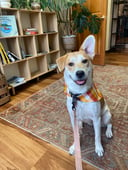
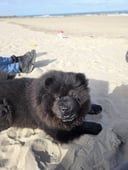
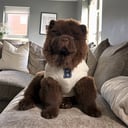
 14 Chow Chow owners told us
- Dry kibble57%
- Wet food29%
- Homemade meals7%
- Raw diet7%