Cocker Spaniel (American) vs Shetland Sheepdog
A side-by-side comparison to help you find the right breed for your lifestyle.
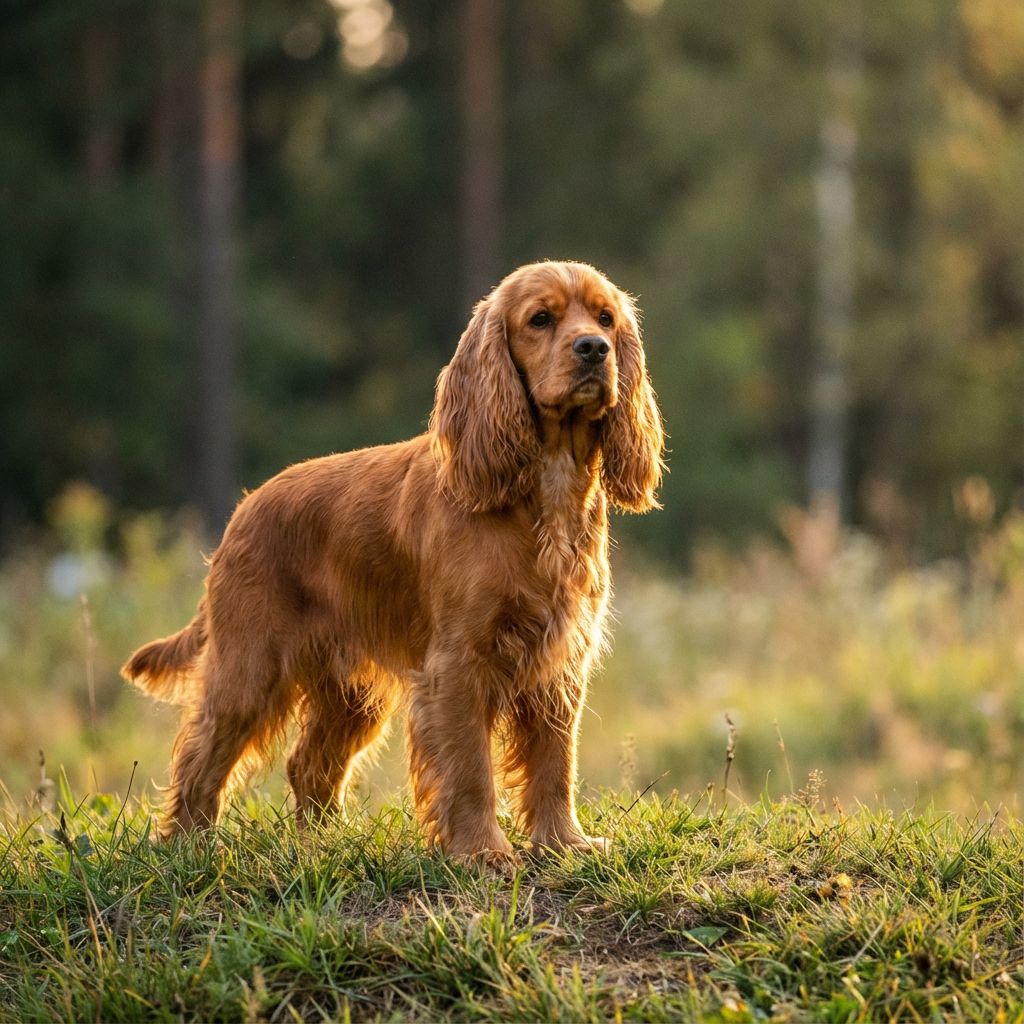
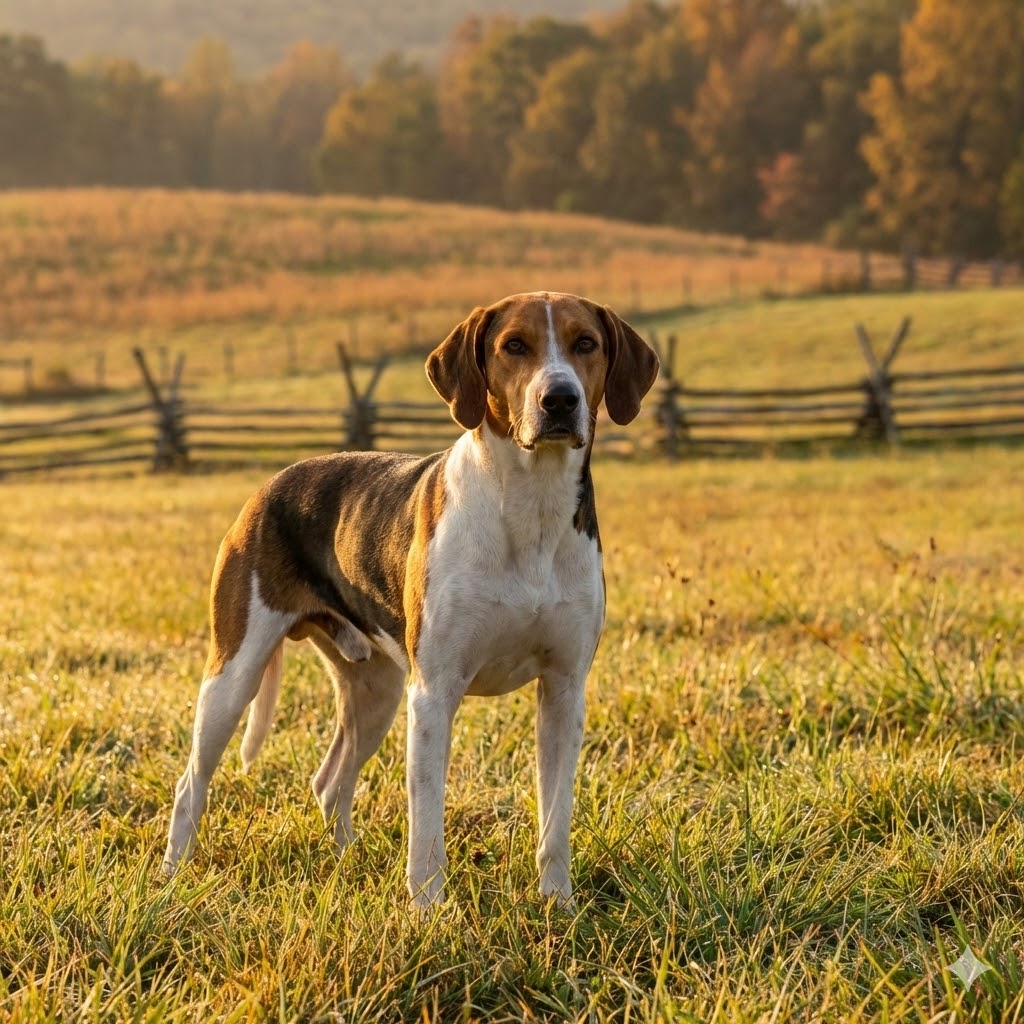
Cocker Spaniel (American)
Also known as: American Cocker, Cocker Spaniel, Merry Cocker
The American Cocker Spaniel is the smallest sporting breed, originally bred for hunting woodcock but now primarily bred for companionship. This 'merry' breed is affectionate and eager to please, but requires significant grooming commitment and attention to ear and eye health.
Medium
Medium
10-14 yrs
34-39 cm
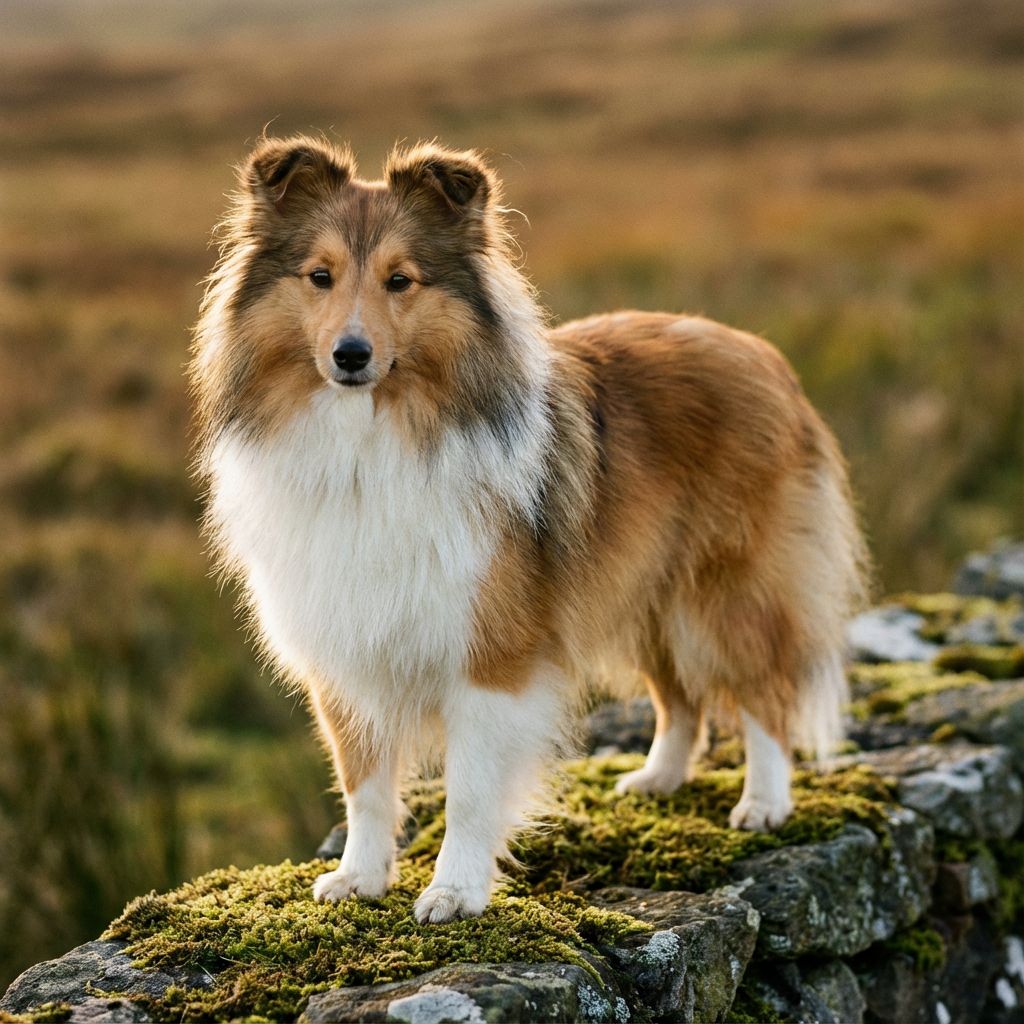
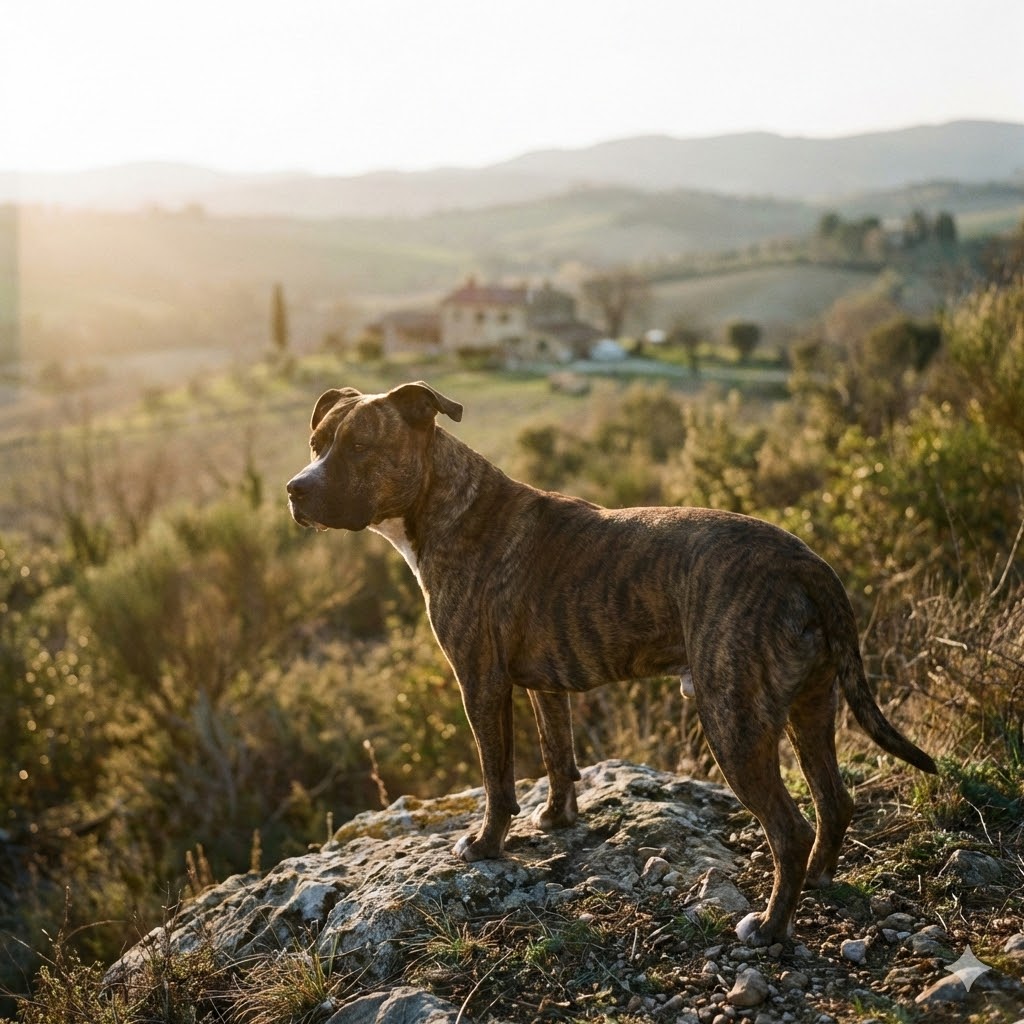
Shetland Sheepdog
Also known as: Sheltie, Toonie Dog, Miniature Collie (incorrect)
The Shetland Sheepdog, often referred to as the 'Sheltie,' is a small, agile herding dog known for its intelligence, loyalty, and striking resemblance to a miniature Rough Collie. Originating from the Shetland Islands of Scotland, this breed is celebrated for its gentle disposition and exceptional trainability, making it a popular choice for families and competitors in dog sports alike. Ranked 6th most intelligent breed, they learn incredibly fast but require patient, positive training.
Small
High
12-14 yrs
33-41 cm
5-10 kg
Quick Comparison
| Trait | Cocker Spaniel (American) | Shetland Sheepdog |
|---|---|---|
| Energy | ||
| Trainability | ||
| Grooming Needs | ||
| Family Friendly | ||
| Independence |
Key Characteristics
| Good with Kids | ||
| Good with Dogs | ||
| Good with Cats | ||
| Hypoallergenic | ||
| Apartment Friendly | ||
| First-Time Owner OK |
| Detail | Cocker Spaniel (American) | Shetland Sheepdog |
|---|---|---|
| Size | Medium | Small |
| Energy Level | Medium | High |
| Grooming | High | High |
| Trainability | Easy | Easy |
| Barking Level | High | High |
| Shedding Level | Medium | High |
| Chew strength | Moderate | Moderate |
| Housing | Apartment | Yard |
Owner Fit & Decision Guide
Owner Match
| Trait | Cocker Spaniel (American) | Shetland Sheepdog |
|---|---|---|
| Experience Level | Beginner (but advanced grooming commitment) | Beginner (if willing to train and groom) |
| First-Time Owner | ||
| Ideal Owner | Someone who works from home or has flexible schedule, willing to pay for professional grooming, tolerant of shedding and distinctive odor, wants an affectionate companion. | Someone who wants a hobby (agility, training), enjoys grooming, doesn't mind noise, and appreciates a loyal velcro companion. |
Cocker Spaniel (American) Dealbreakers
- Work long hours away from home
- Cannot afford $800+/year in grooming costs
- Sensitive to dog odors
- Want a guard dog
- Want a low-maintenance dog
Shetland Sheepdog Dealbreakers
- Thin-walled apartment - barking will be an issue
- Want a 'backyard dog' - they need to be inside with family
- Cannot commit to weekly line-brushing - matting is painful
- Sensitive to noise - their barking is sharp and piercing
Surrender Risk
| Factor | Cocker Spaniel (American) | Shetland Sheepdog |
|---|---|---|
| Risk Level | Medium | Low to Medium |
| Primary Reasons | Health and grooming costs become unaffordable, Dog becomes matted and aggressive during grooming attempts, Fear-based biting in dogs from poor lineages (puppy mills) | Barking - owners underestimate the volume and frequency, Shedding/grooming - failure to maintain coat leads to severe matting, Noise sensitivity in urban environments |
Temperament & Personality
Behavior Comparison
| Trait | Cocker Spaniel (American) | Shetland Sheepdog |
|---|---|---|
| Prey Drive | ||
| Watchdog Ability | ||
| Stranger Friendly | ||
| Drool Level | ||
| Wanderlust |
Vocalization
| Trait | Cocker Spaniel (American) | Shetland Sheepdog |
|---|---|---|
| Barking Level | High | High |
| Howling Tendency | ||
| Whining Tendency | Medium | Medium |
| Separation Vocalization |
Safety & Reliability
| Trait | Cocker Spaniel (American) | Shetland Sheepdog |
|---|---|---|
| Escape Artist | ||
| Dog Park Suitable | ||
| Off-Leash Reliable | ||
| Small Animal Safe | ||
| Leash Reactivity | ||
| Resource Guarding Risk | Moderate | Low |
Cocker Spaniel (American) Social Traits
None
Low - generally pack-oriented, good with other dogs but may be bullied by rougher breeds
Shetland Sheepdog Social Traits
High
Generally good with other dogs, especially other Shelties. Can be bullied by rude, boisterous breeds due to sensitivity.
Training
Cocker Spaniel (American)
- Use high-value food rewards - they are food motivated
- Keep sessions short and varied to maintain engagement
- Early handling of ears, paws, mouth prevents grooming aggression
- Practice 'trade' command to prevent resource guarding
Shetland Sheepdog
- Keep sessions short, fun, and varied
- Train 'quiet' command as a priority
- Use their high food motivation but control portions (obesity-prone)
- Start confidence-building socialization early but don't force scary situations
Cocker Spaniel (American) Considerations
This is the primary behavioral failure mode. American Cockers are 'Velcro dogs' bred for close human companionship. They don't tolerate isolation - expect barking, howling, and destruction if left alone 8+ hours.
Professional grooming every 6 weeks is non-negotiable ($70-120/session). Neglected coats mat painfully and can tear skin. This is NOT a wash-and-wear dog.
The long, heavy ear flaps seal the ear canal, creating perfect conditions for yeast and bacteria. Treating resistant infections costs $300-500 per occurrence.
Common in the breed, especially females and puppies. Excitement or intimidation causes involuntary urination. Requires patience - punishment makes it worse.
Shetland Sheepdog Considerations
This breed is vocally prolific. They bark to alert, express excitement, boredom, frustration, and to herd moving objects. This is genetic and cannot be trained out completely. If you live in noise-restricted housing, this breed is a poor fit.
Shelties are exceptionally sensitive to their environment. Harsh training or chaotic households cause them to become fear-reactive, snap at strangers, or develop extreme noise phobia (thunderstorms, vacuums).
As herding dogs, Shelties have an arrested predatory sequence emphasizing chase and nip. They may instinctively nip at the heels of running children, joggers, or cyclists.
Weekly line-brushing is required, daily during coat blow. People buy them for the 'Lassie' look but fail to maintain the coat, leading to severe matting and eventual surrender.
Multi-Species Compatibility
| Species | Cocker Spaniel (American) | Shetland Sheepdog |
|---|---|---|
| With Cats | Generally good if raised together - gentle enough to coexist with confident cats | Safe - generally good if raised together, though may try to herd them |
| Small Mammals | Moderate risk - will chase but unlikely to kill | Risky - movement triggers chase instinct |
| Birds / Reptiles | High risk - they are bird dogs, flying parrot triggers hardwired instinct | Risky - they will try to herd livestock and can get kicked by horses/cows |
Advanced Behavior
| Trait | Cocker Spaniel (American) | Shetland Sheepdog |
|---|---|---|
| Predatory Sequence Risk | Arrested | Arrested |
| Biddability | High | High |
| Noise Sensitivity | Medium | High |
| Territorial Barking | ||
| Same-Sex Aggression Onset | N/A | N/A |
Cocker Spaniel (American): Predatory sequence: Orient -> Eye -> Stalk -> Chase -> Flush. Grab-bite and kill-bite bred out - soft-mouthed retriever. Will harass small animals but unlikely to kill. 'Cocker Rage' is extremely rare in well-bred modern dogs - usually misdiagnosed resource guarding.
Shetland Sheepdog: Predatory sequence: Eye → Stalk → Chase → Nip. Kill bite is inhibited but the nip can bruise or tear clothes. They live to work for you (high biddability) - ask 'What do you want me to do next?'
First Year & Life Stages
First Year Challenges
| Challenge | Cocker Spaniel (American) | Shetland Sheepdog |
|---|---|---|
| Puppy Difficulty | ||
| Destructive Phase | 4-12 | 6-14 |
| House Training | Medium | Easy |
| Crate Training | High | High |
| Adolescent Regression |
Cocker Spaniel (American): House training can be slower than larger breeds. Critical socialization window 8-16 weeks - must handle ears, paws, mouth daily to prevent future grooming aggression. 'Alligator phase' with mouthy exploration is normal.
Shetland Sheepdog: Smart and house train easily (often by 4 months). Score 5/10 due to noise sensitivity and shyness - must advocate for them during socialization. Forcing scary situations can ruin temperament.
Life Stages Timeline
| Stage | Cocker Spaniel (American) | Shetland Sheepdog |
|---|---|---|
| Puppy Phase | 12 months | 10 months |
| Adolescence | 12-18 | 6-18 |
| Adult Years | 2-8 | 2-8 |
| Senior Onset | ~9 years | ~9 years |
| Peak Energy Age | 1-3 years | 1-3 years |
Size & Physical Characteristics
Physical Stats
| Measurement | Cocker Spaniel (American) | Shetland Sheepdog |
|---|---|---|
| Height | 34-39 cm | 33-41 cm |
| Weight | Not enough data yet | Not enough data yet |
| Size Category | Medium | Small |
| Lifespan | 10–14 years | 12–14 years |
| Litter Size | 3-7 | 4-6 |
Cocker Spaniel (American) Coat
Shetland Sheepdog Coat
Lineage & Origin
| Detail | Cocker Spaniel (American) | Shetland Sheepdog |
|---|---|---|
| Original Purpose | Hunting woodcock - flushing birds from dense brush | Multi-purpose farm dog - herding small sheep, keeping birds from gardens, alerting to intruders |
| Origin | United States, 20th century (diverged from English Cocker) | Shetland Islands, Scotland - bred small to consume less food in resource-scarce environment |
Breeding Details
| Detail | Cocker Spaniel (American) | Shetland Sheepdog |
|---|---|---|
| C-Section Rate | ~10% | Low |
| Whelping Difficulty | Easy | Easy |
| Puppy Mortality Rate | Low | Low |
Physical Risks
| Risk | Cocker Spaniel (American) | Shetland Sheepdog |
|---|---|---|
| Bloat / GDV Risk | Low | Low |
| Slippery Floor Risk | Low | Low |
| Min Fence Height | 1.2m | 1.2m |
| Dig / Escape Risk | Low | Low |
Health & Common Conditions
Cocker Spaniel (American) Health Issues
Shetland Sheepdog Health Issues
Cocker Spaniel (American) Suggested Tests
- PFK (Phosphofructokinase Deficiency) DNA test
- PRA (Progressive Retinal Atrophy) DNA test
- Annual Veterinary Ophthalmologist exam
- Patella evaluation
Shetland Sheepdog Suggested Tests
- CEA Genetic Test
- MDR1 Genetic Test
- vWD Genetic Test
- DMS Risk Assessment
- OFA Hip Certification
- OFA Eye (CAER) Certification
Health Risk Overview
| Risk Factor | Cocker Spaniel (American) | Shetland Sheepdog |
|---|---|---|
| Cancer Risk | Low | Low |
| Cardiac Risk | Low | Low |
| Neurological Risk | Low | Low |
| CCL/ACL Tear Risk | Low | Low |
| Vet Burden Tier | High | Medium |
Sensitivities & Allergies
| Sensitivity | Cocker Spaniel (American) | Shetland Sheepdog |
|---|---|---|
| Skin Allergies | ||
| Environmental Allergies | ||
| Stomach Sensitivity | Medium | Medium |
| Food Allergies | Chicken, Beef, Grains | Chicken, Grain |
Health Maintenance
| Care Item | Cocker Spaniel (American) | Shetland Sheepdog |
|---|---|---|
| Nail Growth Rate | Normal | Fast |
| Eye Care Needs | High | Medium |
| Anal Gland Issues | Occasional | Rare |
Senior Care & Aging
Cocker Spaniel (American) Senior Care
Common Senior Issues
- Blindness (cataracts, glaucoma)
- Deafness
- Lipomas (fatty lumps)
- Arthritis
Blindness and deafness very common in seniors - they adapt well but require consistent environment (don't move furniture). Lipomas usually benign but should be checked.
Shetland Sheepdog Senior Care
Common Senior Issues
- Arthritis
- Vision loss
- Hearing loss
- Dental disease
Generally healthy seniors. Watch for arthritis and vision/hearing loss starting around 9+.
Grooming & Care
Cocker Spaniel (American)
high maintenanceShetland Sheepdog
high maintenanceLifestyle Compatibility
Cocker Spaniel (American) Daily Life
Shetland Sheepdog Daily Life
Housing & Legal Restrictions
| Restriction | Cocker Spaniel (American) | Shetland Sheepdog |
|---|---|---|
| BSL Restricted | ||
| Common Rental Ban | ||
| Insurance Blacklist | ||
| Weight Category | Under 25lbs | Under 25lbs |
Climate Tolerance
| Climate | Cocker Spaniel (American) | Shetland Sheepdog |
|---|---|---|
| Heat Tolerance | ||
| Cold Tolerance | ||
| Water Affinity | Medium | Low |
Travel Compatibility
| Activity | Cocker Spaniel (American) | Shetland Sheepdog |
|---|---|---|
| Car Travel | Excellent | Good |
| Camping | ||
| Beach Friendly | ||
| Hiking Rating | ||
| Cabin Flight Eligible | ||
| Hotel Friendly Size |
Niche Suitability
| Role | Cocker Spaniel (American) | Shetland Sheepdog |
|---|---|---|
| Service Dog | Medium | Low |
| Therapy Dog | High | Medium |
| Deep Pressure Therapy | ||
| Canicross / Bikejoring | ||
| Apartment Adaptable | ||
| Tactile / Sensory Friendly | ||
| Livestock Guardian | ||
| Medical Alert | Medium | Medium |
Costs & Expenses
Upfront Costs
| Cost | Cocker Spaniel (American) | Shetland Sheepdog |
|---|---|---|
| Purchase Price | $1,000-2,500 | $800-2,500 |
| Initial Cost Range | $1,000–$2,500 | $800–$2,500 |
| Cost Tier |
Ongoing Costs
| Cost | Cocker Spaniel (American) | Shetland Sheepdog |
|---|---|---|
| Monthly Range | $150–$250 | $100–$180 |
| Yearly Range | $2,500–$3,500 | $1,500–$2,000 |
| Food / Month | $40-60 | $40-60 |
| Insurance / Month | $50-90 | $30-55 |
| Grooming / Session | $70-120 | $50-100 |
| Vet Routine / Year | $500-1,500 | $300-600 |
| Monthly Cost Tier |
Cocker Spaniel (American) Lifetime Cost
$25,000-45,000
Shetland Sheepdog Lifetime Cost
$15,000-25,000
Quirks & Fun Facts
Daily Quirks
| Quirk | Cocker Spaniel (American) | Shetland Sheepdog |
|---|---|---|
| Snoring | ||
| Flatulence | Occasional | Rare |
| Slobber Level | None | None |
| Smell When Wet | Strong | Mild |
| Zoomies Frequency | Weekly | Daily |
| Counter Surfing | ||
| Digging Tendency | Low | Low |
Cocker Spaniel (American) Quirks
The Wiggle
When happy, the entire back half of the body oscillates - not just the tail. Charming and distinct to the breed.
The Cocker Smell
Known for a distinct 'doggy' odor due to seborrhea (oil production) and ear yeast. If you're sensitive to smells, this is not the breed for you.
The Skirt Problem
The long hair on belly and legs drags through puddles, mud, and urine. Many owners opt for a 'puppy cut' to maintain sanity.
Shetland Sheepdog Quirks
The Sheltie Spin
When excited, they spin in rapid circles. This is a joyful expression but can be manic.
Hair Tumbleweeds
Shedding is extreme - you will eat hair, wear hair, and sleep in hair. It's a permanent fixture in your home.
The Reserved Stranger
They are naturally aloof with strangers and need time to warm up. Not 'love everyone' dogs like Goldens.
Frequently Asked Questions
Turn your dog into a brand deal.
Pet brands are looking for authentic creators — not celebrities. If you own a Cocker Spaniel (American) or Shetland Sheepdog, you can get free products, gear, and exclusive perks just for sharing your dog's life on Instagram.
No followers minimum · Free to join
Compare with Other Breeds
Compare Cocker Spaniel (American) with:
Compare Shetland Sheepdog with:
Based on comprehensive breed research data.
View Cocker Spaniel (American) profile·View Shetland Sheepdog profile