Cocker Spaniel vs Papillon
A side-by-side comparison to help you find the right breed for your lifestyle.
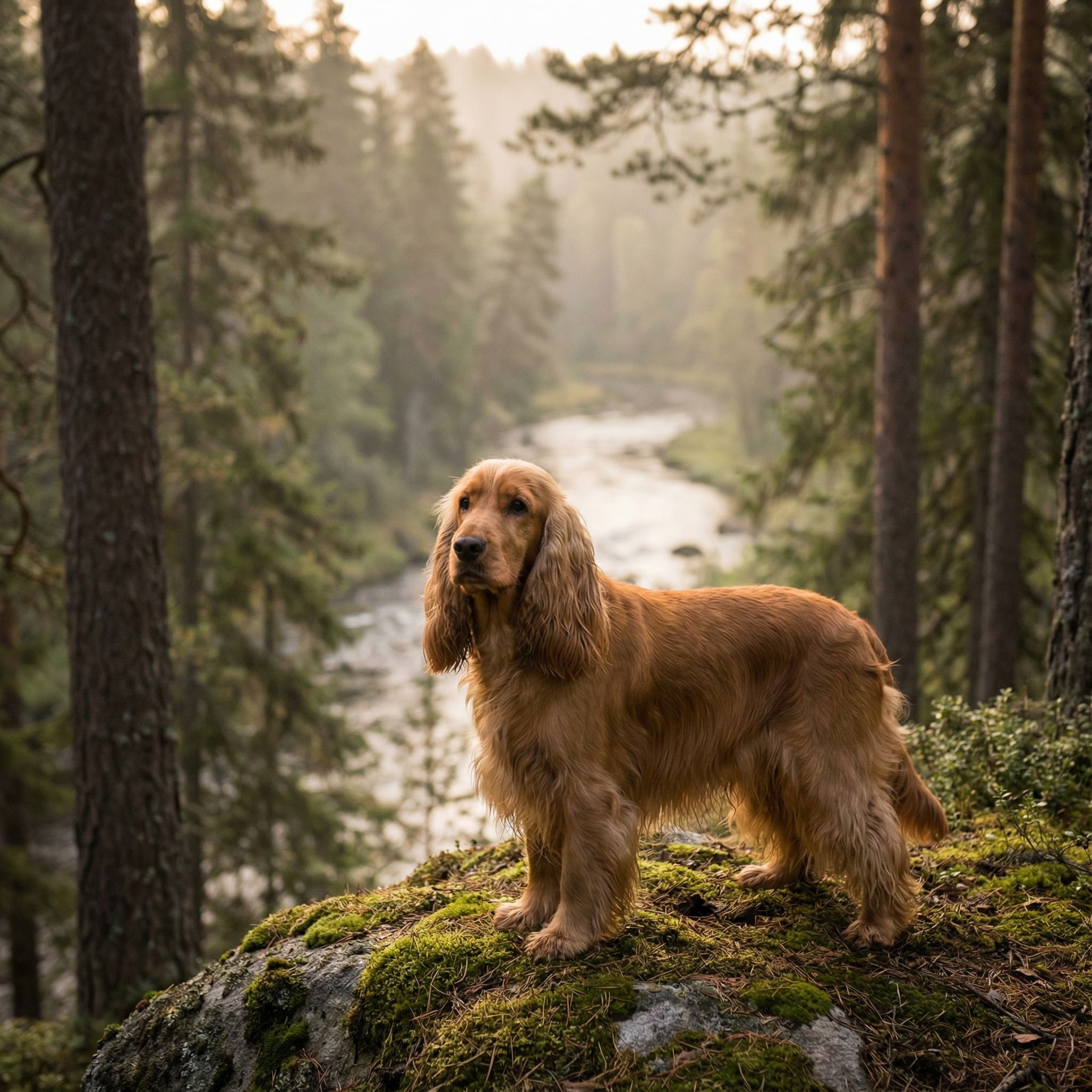
Cocker Spaniel
Also known as: American Cocker Spaniel, Cocker, Merry Cocker
The Cocker Spaniel is a beloved breed known for its gentle demeanor, intelligence, and distinctive long, floppy ears. Originally bred as a hunting dog, this medium-sized, affectionate companion excels in family settings and is cherished for its cheerful and friendly nature.
Medium
Medium
10-14 yrs
34-39 cm
9-13.6 kg

Papillon
Also known as: Continental Toy Spaniel, Butterfly Dog, Phalene (drop-eared variety)
The Papillon is a small, elegant toy breed known for its distinctive butterfly-like ears and lively, intelligent personality. Often called 'the Border Collie of the toy group,' this brilliant and athletic dog is packed into a 5-10 pound frame. With a friendly and playful demeanor, Papillons make excellent companions and are highly trainable, excelling in obedience and agility competitions.
Extra Small
High
14-16 yrs
20-28 cm
2.27-4.54 kg
Quick Comparison
| Trait | Cocker Spaniel | Papillon |
|---|---|---|
| Energy | ||
| Trainability | ||
| Grooming Needs | ||
| Family Friendly | ||
| Independence |
Key Characteristics
| Good with Kids | ||
| Good with Dogs | ||
| Good with Cats | ||
| Hypoallergenic | ||
| Apartment Friendly | ||
| First-Time Owner OK |
| Detail | Cocker Spaniel | Papillon |
|---|---|---|
| Size | Medium | Extra Small |
| Energy Level | Medium | High |
| Grooming | High | Medium |
| Trainability | Easy | Easy |
| Barking Level | Medium | High |
| Shedding Level | Medium | Medium |
| Chew strength | Moderate | Light |
| Housing | Apartment | Apartment |
Owner Fit & Decision Guide
Owner Match
| Trait | Cocker Spaniel | Papillon |
|---|---|---|
| Experience Level | Beginner | Beginner with conditions |
| First-Time Owner | ||
| Ideal Owner | Individual or family with time to be present throughout the day. Willing to invest in professional grooming and ear care. Patient with sensitive dogs. Tolerant of moderate shedding and 'doggy odor.' | Adult or family with older children who wants an intelligent, trainable companion. Works from home or can provide midday companionship. Willing to commit to daily dental care and regular training sessions. |
Cocker Spaniel Dealbreakers
- Work 10+ hours away from home
- On a tight budget (grooming/vet costs are HIGH)
- Grossed out by ear wax or eye gunk
- Want a guard dog
- Want a low-maintenance dog
Papillon Dealbreakers
- Households with children under 6 - risk of accidental injury too high
- Owners wanting a 'yard dog' - must live indoors as family
- Owners who want a silent home - they will bark
- Works 8+ hours away from home
Surrender Risk
| Factor | Cocker Spaniel | Papillon |
|---|---|---|
| Risk Level | Medium | Low |
| Primary Reasons | Health/maintenance costs underestimated (ear infections, grooming), Biting from mishandled resource guarding escalating to aggression, Grooming neglect leading to matted, painful coats | Owner death/illness (common with elderly owners), Fear-based biting when handled roughly by kids, Excessive barking incompatible with apartment neighbors |
Temperament & Personality
Behavior Comparison
| Trait | Cocker Spaniel | Papillon |
|---|---|---|
| Prey Drive | ||
| Watchdog Ability | ||
| Stranger Friendly | ||
| Drool Level | ||
| Wanderlust |
Vocalization
| Trait | Cocker Spaniel | Papillon |
|---|---|---|
| Barking Level | Medium | High |
| Howling Tendency | ||
| Whining Tendency | High | Medium |
| Separation Vocalization |
Safety & Reliability
| Trait | Cocker Spaniel | Papillon |
|---|---|---|
| Escape Artist | ||
| Dog Park Suitable | ||
| Off-Leash Reliable | ||
| Small Animal Safe | ||
| Leash Reactivity | ||
| Resource Guarding Risk | Moderate | Moderate |
Cocker Spaniel Social Traits
Low
Usually excellent with other dogs - pack-oriented and rarely start fights, though may be bullied by assertive breeds
Papillon Social Traits
Moderate
May conflict with same-sex dogs if resources not managed
Training
Cocker Spaniel
- They are notoriously 'soft' - a harsh tone can cause shut-down or submissive urination
- Highly food-motivated - will do almost anything for treats (but prone to obesity)
- Keep sessions happy and short
- Trade up with high-value treat instead of forcibly taking items
Papillon
- Never use harsh corrections - they are sensitive souls
- Use their intelligence - they LOVE learning new tricks
- Crate training highly recommended for potty training
- Pee pads/litter box valid for high-rise living
Cocker Spaniel Considerations
This is a 'Velcro' breed that was bred to work closely with humans. They do not tolerate isolation well - owners working 8+ hours away often face noise complaints (whining/howling) or destruction born of panic.
Cockers—particularly solid-colored lines (golden/red)—have a genetic predisposition to resource guarding. This can manifest as snapping when toys, food, or 'stolen' items are taken away. Often mislabeled as 'Cocker Rage.'
Many Cockers, especially females and puppies, are prone to 'happy peeing' when greeted or 'fear peeing' when scolded. Requires patience and gentle training - harsh correction makes it worse.
Professional grooming is non-negotiable at $60-100 every 6-8 weeks ($400-800 annually). The 'skirt' collects burrs, mud, and debris requiring constant maintenance.
Papillon Considerations
Papillons possess boldness that disproportionately exceeds their size. They will challenge much larger dogs, leading to tragic outcomes if not protected. This is genuine territorial confidence, not 'yappiness'.
This is a 'velcro' breed bred for centuries as lap companions to nobility. They do not tolerate isolation well. Owners working 8+ hours away often find their Papillon develops severe distress behaviors.
While not mindless yappers, they are vigilant watchdogs. They will announce every delivery truck, doorbell, and passerby. In apartments with thin walls, this can become a lease-breaking issue.
Unlike sturdy Golden Retrievers, Papillons cannot be roughly handled. They are quick to snap if manhandled, making them a poor choice for households with toddlers who lack impulse control.
Multi-Species Compatibility
| Species | Cocker Spaniel | Papillon |
|---|---|---|
| With Cats | Generally safe - may chase for fun but rarely with intent to harm | Generally safe if raised with them, may harass with play attempts |
| Small Mammals | Moderate risk - prey drive present but not as intense as terriers | Caution required - ratter instinct still present |
| Birds / Reptiles | High risk - bred specifically to hunt birds; a flying parrot is a trigger | Not recommended - spaniel heritage triggers chase |
Advanced Behavior
| Trait | Cocker Spaniel | Papillon |
|---|---|---|
| Predatory Sequence Risk | Arrested | Arrested |
| Biddability | High | High |
| Noise Sensitivity | Medium | Medium |
| Territorial Barking | ||
| Same-Sex Aggression Onset | N/A | 12 months |
Cocker Spaniel: Predatory sequence: Eye -> Stalk -> Chase -> FLUSH. Not 'grab-bite' killers like Terriers - bred to flush birds, not kill them. Safer with small animals than terriers but will still chase.
Papillon: Predatory sequence: Eye -> Stalk -> Chase (grab-bite inhibited). They WANT to work with you - unlike terriers who ask 'What's in it for me?'. Same-sex aggression if resources (you, food, toys) not managed.
First Year & Life Stages
First Year Challenges
| Challenge | Cocker Spaniel | Papillon |
|---|---|---|
| Puppy Difficulty | ||
| Destructive Phase | 5-12 | 6-12 |
| House Training | Medium | Medium |
| Crate Training | High | High |
| Adolescent Regression |
Cocker Spaniel: Main challenges are house training (slow due to submissive urination) and biting (puppy nipping is intense in sporting breeds). Coat change occurs in adolescence creating 'nightmare grooming' phase.
Papillon: Physically fragile - main risk is trauma from being dropped or stepped on. Teething puppies will surgically chew electrical cords. Small bladders mean expect accidents for 6-8 months.
Life Stages Timeline
| Stage | Cocker Spaniel | Papillon |
|---|---|---|
| Puppy Phase | 12 months | 10 months |
| Adolescence | 12-24 | 10-18 |
| Adult Years | 2-8 | 2-9 |
| Senior Onset | ~9 years | ~10 years |
| Peak Energy Age | 1-3 years | 1-5 years |
Size & Physical Characteristics
Physical Stats
| Measurement | Cocker Spaniel | Papillon |
|---|---|---|
| Height | 34-39 cm | 20-28 cm |
| Weight | Not enough data yet | Not enough data yet |
| Size Category | Medium | Extra Small |
| Lifespan | 10–14 years | 14–16 years |
| Litter Size | 3-7 | 2-4 |
Cocker Spaniel Coat
Papillon Coat
Lineage & Origin
| Detail | Cocker Spaniel | Papillon |
|---|---|---|
| Original Purpose | Flushing woodcock and other game birds from dense hedgerows | Continental Toy Spaniel - lap companion to European nobility, also ratters and flushers of small birds |
| Origin | England/USA, 19th-20th century | France/Belgium, 16th century |
Breeding Details
| Detail | Cocker Spaniel | Papillon |
|---|---|---|
| C-Section Rate | 10-20% | 20-30% |
| Whelping Difficulty | Medium | Medium |
| Puppy Mortality Rate | Low | Medium |
Physical Risks
| Risk | Cocker Spaniel | Papillon |
|---|---|---|
| Bloat / GDV Risk | Low | None |
| Slippery Floor Risk | Low | Medium |
| Min Fence Height | 1.2m | 0.6m |
| Dig / Escape Risk | Low | Low |
Health & Common Conditions
Cocker Spaniel Health Issues
Papillon Health Issues
Cocker Spaniel Suggested Tests
- PRA-prcd genetic test
- PFK genetic test
- OFA Hips clearance
- OFA Patellas clearance
- Annual CAER eye exams
Papillon Suggested Tests
- Pap_PRA1 genetic test
- NAD genetic test
- OFA Patella evaluation
- OFA Eye certification (CAER)
Health Risk Overview
| Risk Factor | Cocker Spaniel | Papillon |
|---|---|---|
| Cancer Risk | Medium | Low |
| Cardiac Risk | Low | Low |
| Neurological Risk | Low | Medium |
| CCL/ACL Tear Risk | Low | Low |
| Vet Burden Tier | High | Medium |
Sensitivities & Allergies
| Sensitivity | Cocker Spaniel | Papillon |
|---|---|---|
| Skin Allergies | ||
| Environmental Allergies | ||
| Stomach Sensitivity | Medium | Low |
| Food Allergies | Chicken, Grains |
Health Maintenance
| Care Item | Cocker Spaniel | Papillon |
|---|---|---|
| Nail Growth Rate | Normal | Normal |
| Eye Care Needs | High | Low |
| Anal Gland Issues | Occasional | Occasional |
Senior Care & Aging
Cocker Spaniel Senior Care
Common Senior Issues
- Cataracts and vision loss
- Hearing loss
- Lipomas (fatty tumors)
- Warts
- Joint stiffness
Blindness and deafness are common in seniors. Cockers adapt well to sensory loss but maintain consistent furniture layout.
Papillon Senior Care
Common Senior Issues
- Arthritis
- Vision/hearing loss
- Cognitive decline (sundowning)
- Dental deterioration
Long-lived breed (14-16 years). Ramps for furniture become essential to prevent jumping injuries. Some risk of confusion in very old age.
Grooming & Care
Cocker Spaniel
high maintenancePapillon
medium maintenanceLifestyle Compatibility
Cocker Spaniel Daily Life
Papillon Daily Life
Housing & Legal Restrictions
| Restriction | Cocker Spaniel | Papillon |
|---|---|---|
| BSL Restricted | ||
| Common Rental Ban | ||
| Insurance Blacklist | ||
| Weight Category | 25-50lbs | Under 25lbs |
Climate Tolerance
| Climate | Cocker Spaniel | Papillon |
|---|---|---|
| Heat Tolerance | ||
| Cold Tolerance | ||
| Water Affinity | Medium | Low |
Travel Compatibility
| Activity | Cocker Spaniel | Papillon |
|---|---|---|
| Car Travel | Good | Excellent |
| Camping | ||
| Beach Friendly | ||
| Hiking Rating | ||
| Cabin Flight Eligible | ||
| Hotel Friendly Size |
Niche Suitability
| Role | Cocker Spaniel | Papillon |
|---|---|---|
| Service Dog | Medium | Medium |
| Therapy Dog | High | Medium |
| Deep Pressure Therapy | ||
| Canicross / Bikejoring | ||
| Apartment Adaptable | ||
| Tactile / Sensory Friendly | ||
| Livestock Guardian | ||
| Medical Alert | Low | Low |
Costs & Expenses
Upfront Costs
| Cost | Cocker Spaniel | Papillon |
|---|---|---|
| Purchase Price | $1,000-2,500 | $1,000-3,000 |
| Initial Cost Range | $1,000–$2,500 | $1,000–$3,000 |
| Cost Tier |
Ongoing Costs
| Cost | Cocker Spaniel | Papillon |
|---|---|---|
| Monthly Range | $150–$250 | $80–$130 |
| Yearly Range | $2,500–$3,500 | $960–$1,560 |
| Food / Month | $30-50 | $20-40 |
| Insurance / Month | $40-60 | $30-60 |
| Grooming / Session | $60-100 | $50-80 |
| Vet Routine / Year | $500-1,000 | $200-400 |
| Monthly Cost Tier |
Cocker Spaniel Lifetime Cost
$25,000-45,000
Papillon Lifetime Cost
$15,000-25,000
Quirks & Fun Facts
Daily Quirks
| Quirk | Cocker Spaniel | Papillon |
|---|---|---|
| Snoring | ||
| Flatulence | Occasional | Rare |
| Slobber Level | None | None |
| Smell When Wet | Strong | Mild |
| Zoomies Frequency | Daily | Daily |
| Counter Surfing | ||
| Digging Tendency | Low | None |
Cocker Spaniel Quirks
The Cocker Smell
Due to seborrhea (oil production) and lip fold/ear bacteria, Cockers have a stronger 'doggy odor' than drier breeds. Frequent bathing helps but doesn't eliminate it.
Quartering Behavior
Tendency to run zig-zag patterns on walks - this is their bird-dog heritage to flush game.
Dissecting Soft Objects
If bored, will 'dissect' pillows and plushies to mimic plucking feathers from birds.
Papillon Quirks
The Papillon 500
Daily zoomies where they run laps around furniture at high speed
Cat-like Perching
Often perch on backs of sofas or armchairs to survey their domain
Naturally Clean
Minimal doggy odor - mud falls off once dry, no clipping/shaving needed
Butterfly Ears
The distinctive fringed ears that give the breed its name (papillon = butterfly in French)
Frequently Asked Questions
Turn your dog into a brand deal.
Pet brands are looking for authentic creators — not celebrities. If you own a Cocker Spaniel or Papillon, you can get free products, gear, and exclusive perks just for sharing your dog's life on Instagram.
No followers minimum · Free to join
Compare with Other Breeds
Compare Cocker Spaniel with:



Based on comprehensive breed research data.